Newsletters


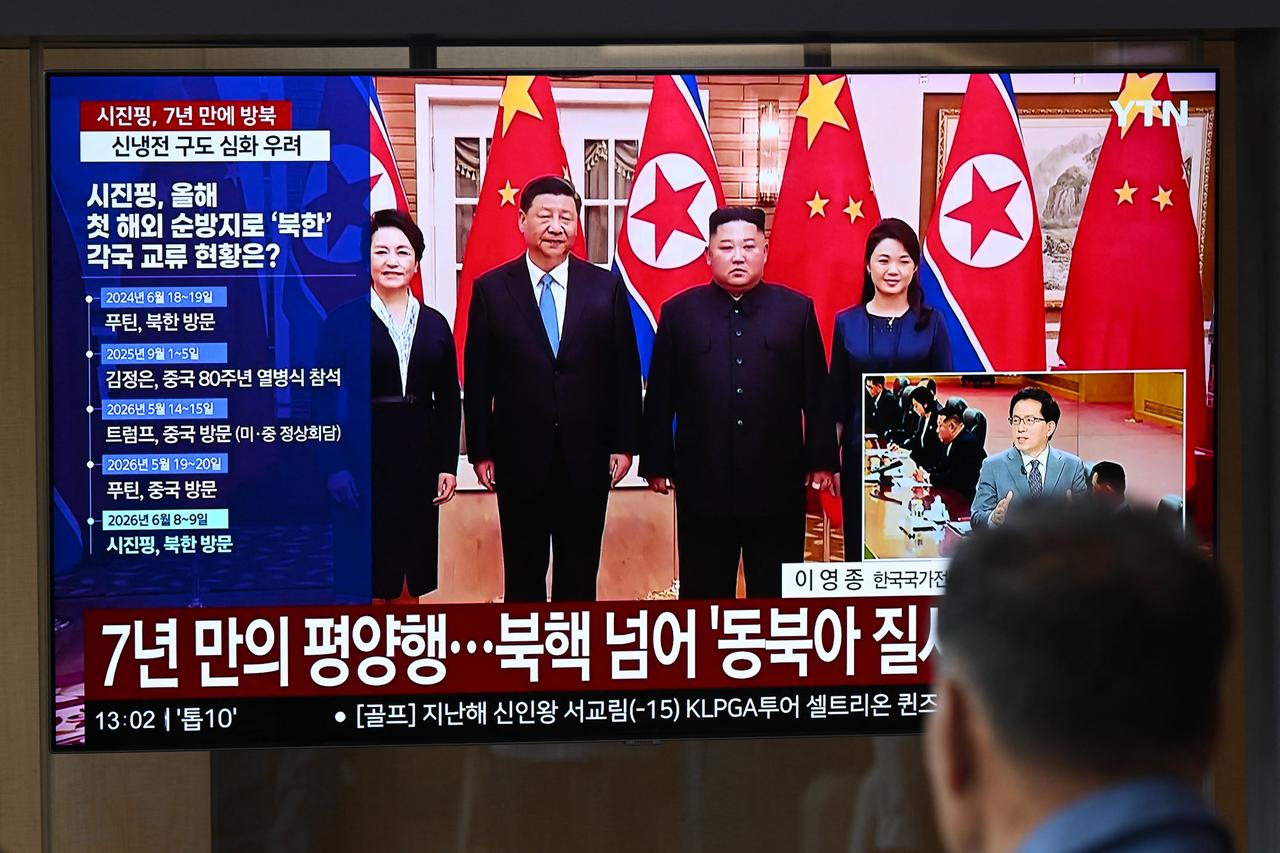


Chinese President Xi Jinping arrived in Pyongyang on Monday for a two-day visit expected to focus on North Korea’s nuclear weapons program, its deepening defense ties with Russia and Beijing’s effort to preserve regional stability.
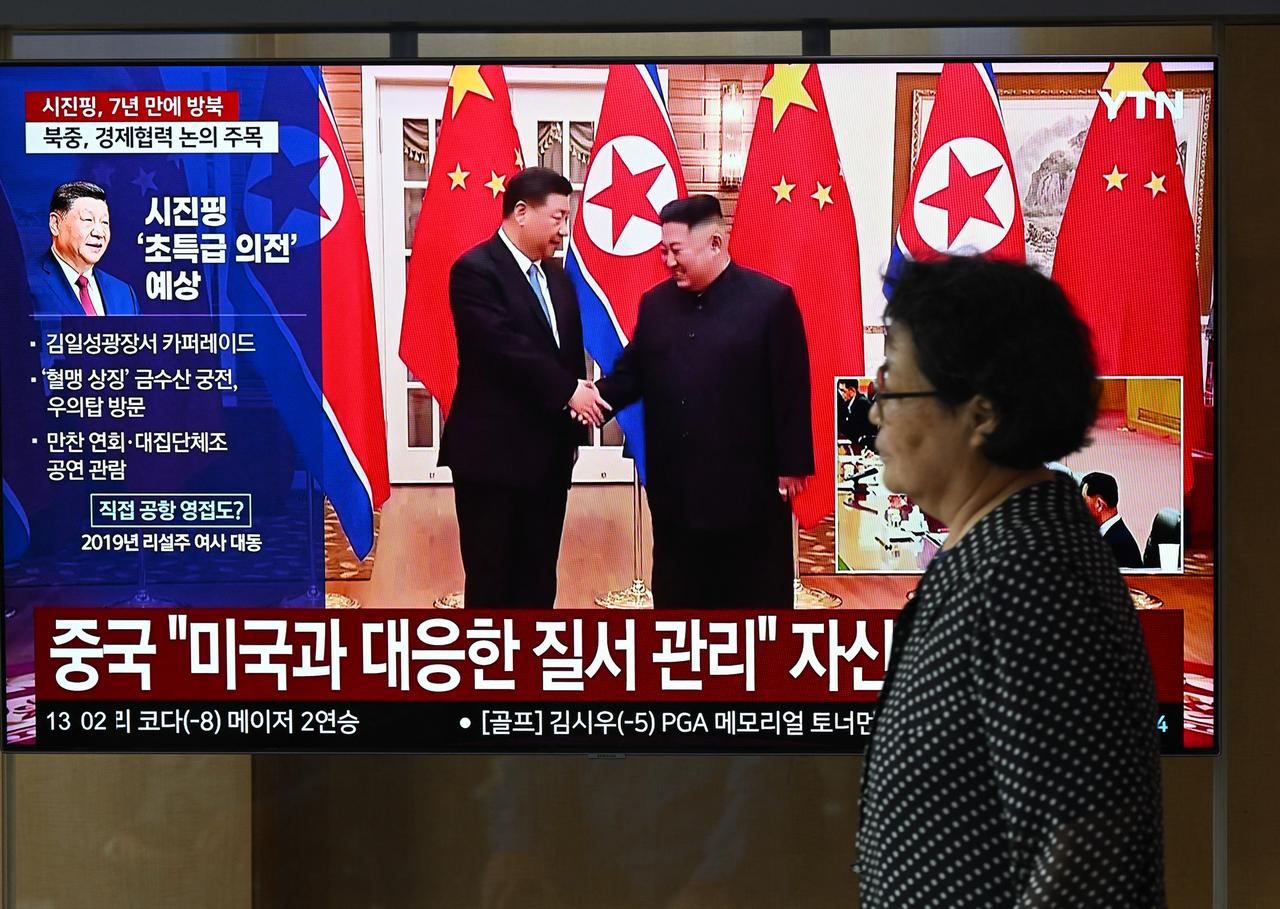
Xi, making his first trip to North Korea since 2019 and his first overseas visit of the year, is expected to hold one-on-one and delegation-level talks with North Korean leader Kim Jong Un.
The visit comes as North Korea accelerates its nuclear weapons efforts and strengthens its alliance and military cooperation with Russia following the war in Ukraine.
It also follows separate, closely timed visits to China last month by U.S. President Donald Trump and Russian President Vladimir Putin.
Xi is expected to seek a balance between U.S. and South Korean calls for China to help discourage North Korea’s nuclear weapons development and Beijing’s desire to keep Pyongyang and Moscow aligned with it in the regional and global power balance.
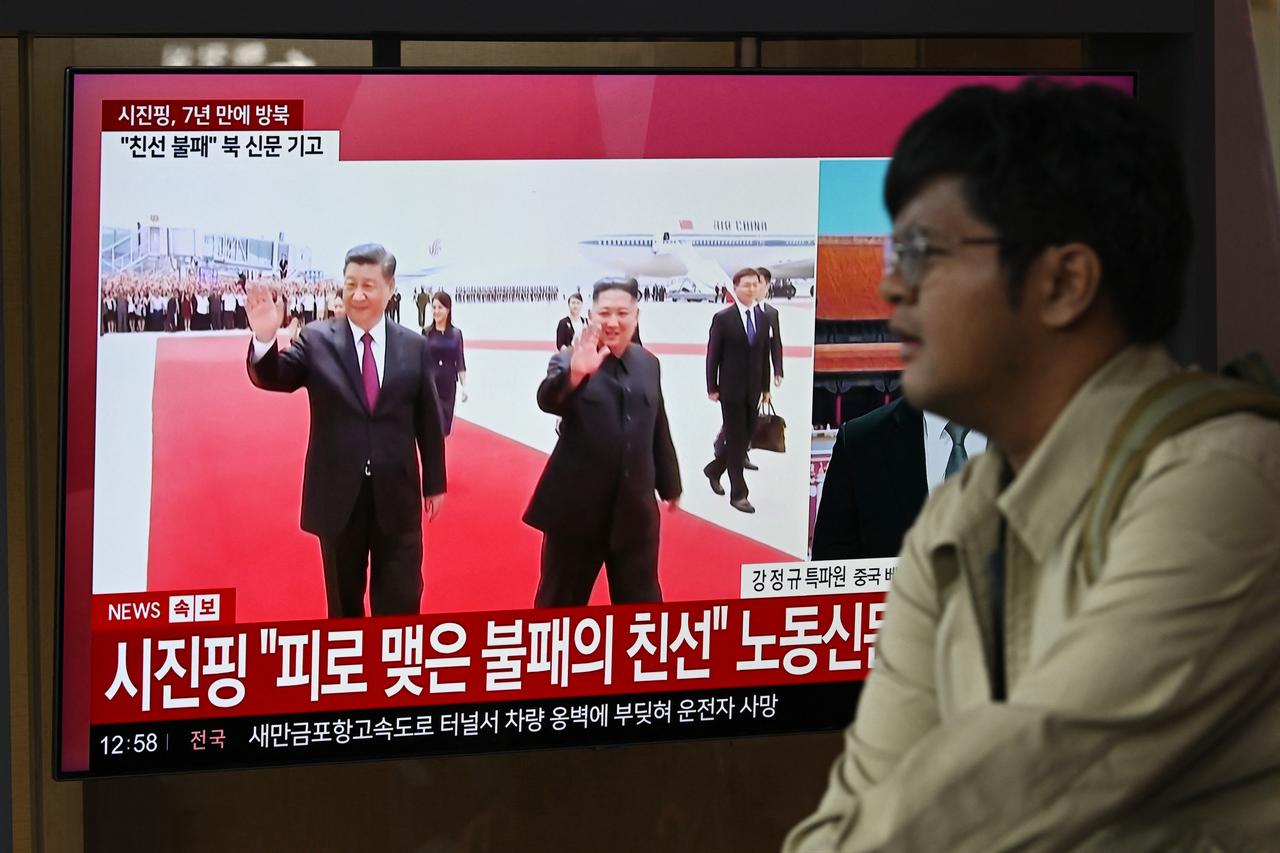

Before the visit, Xi wrote in North Korea’s state newspaper Rodong Sinmun that relations between China and North Korea were at “a new historical starting point,” facing new development opportunities and missions required by the times.
Xi said maintaining, strengthening and developing China-North Korea relations remained a firm policy of the Chinese Communist Party and the Chinese government.
He said Beijing was prepared to work with Pyongyang to manage relations from a strategic perspective and ensure they continue to develop with the times.
Xi called for deeper strategic communication and coordination among the two countries’ parties, governments and military institutions.
He also called for joint opposition to “hegemonism and power politics” and to plans or actions that could revive militarism or undermine regional security and stability.
The visit coincides with the 65th anniversary of the China-North Korea Treaty of Friendship, Cooperation and Mutual Assistance.
The agreement is the only defense pact China has signed with another country. Along with a similar Soviet-era agreement with North Korea, it formed part of the regional alignment during the Cold War.
Russia’s earlier agreement with North Korea became invalid after the collapse of the Soviet Union.
Moscow and Pyongyang signed a new agreement in 2024 under which each side committed to provide military assistance if the other was attacked.
The current balance among China, North Korea and Russia differs from the Cold War era.
China has since become a global power and maintains close relations with Russia against the West, while also viewing Moscow’s growing influence over North Korea with caution.
Beijing is concerned about the possibility that Russia could use North Korea against the U.S. and its allies in ways that increase instability in the region.
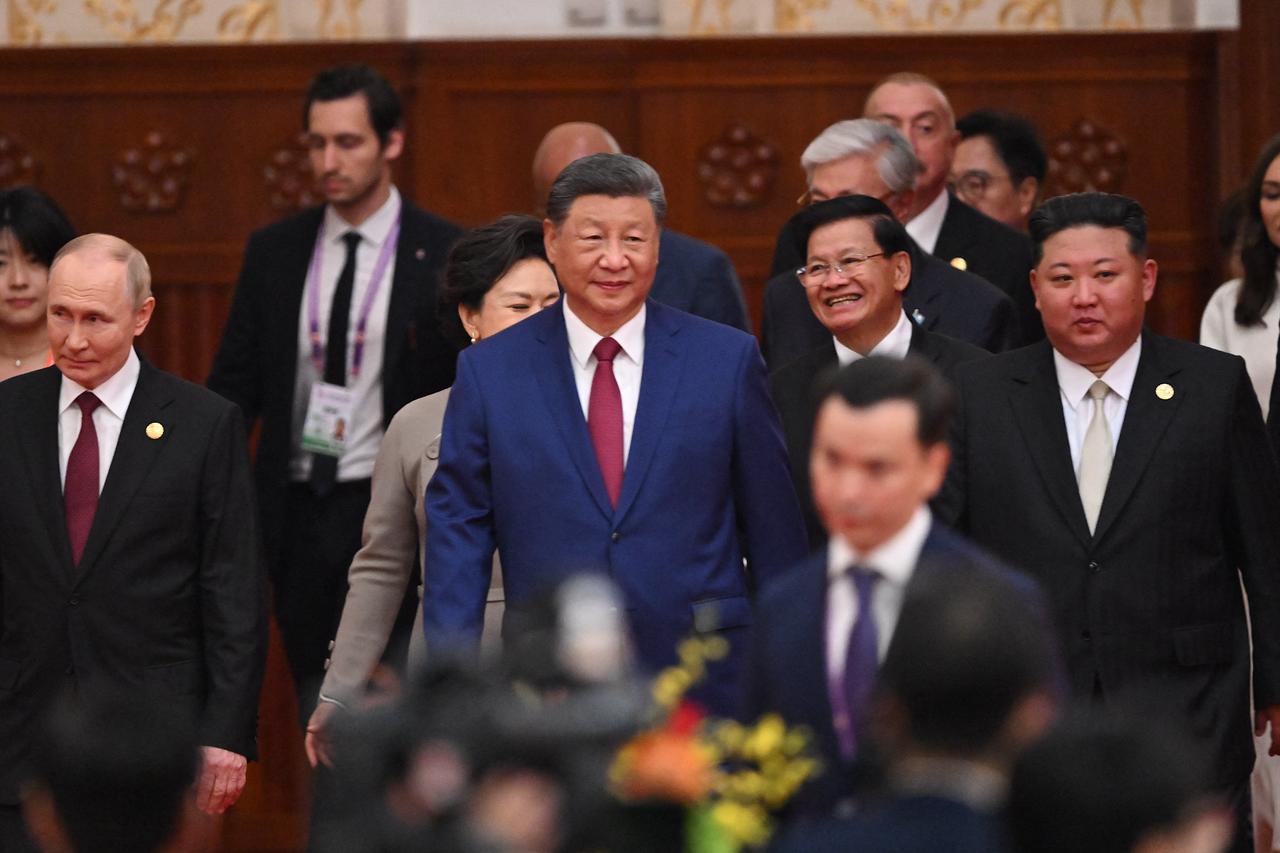
Kim last visited China in September 2025 to attend a military parade in Beijing marking the 80th anniversary of the end of World War II.
Kim attended a multilateral gathering for the first time and met leaders including Putin.
Xi appeared alongside Putin and Kim at the front of the ceremony, an image that was interpreted as a challenge to the U.S. and its allies.
North Korea’s nuclear weapons program is expected to be the most sensitive issue during Xi’s visit.
After Trump visited China last month, the U.S. said the two leaders agreed on the goal of denuclearizing North Korea.
Following Putin’s visit, China and Russia said in a joint statement that they opposed diplomatic isolation and economic sanctions against North Korea.
Kim Yo-jong, the influential sister of Kim Jong Un and head of the ruling Workers’ Party’s international affairs department, accused U.S. officials of spreading misinformation over claims that Trump and Xi had established North Korea’s denuclearization as a shared objective.
“The status of North Korea as a nuclear-armed state is a line from which there will be no retreat, and this is an obvious reality whether anyone accepts it or not,” she said.
Her remarks indicated that Pyongyang would not abandon its nuclear weapons program or make it subject to negotiation.
A Chinese statement issued after Kim’s September 2025 meeting with Xi did not refer to the importance of denuclearizing the Korean Peninsula, unlike statements released after earlier diplomatic contacts.
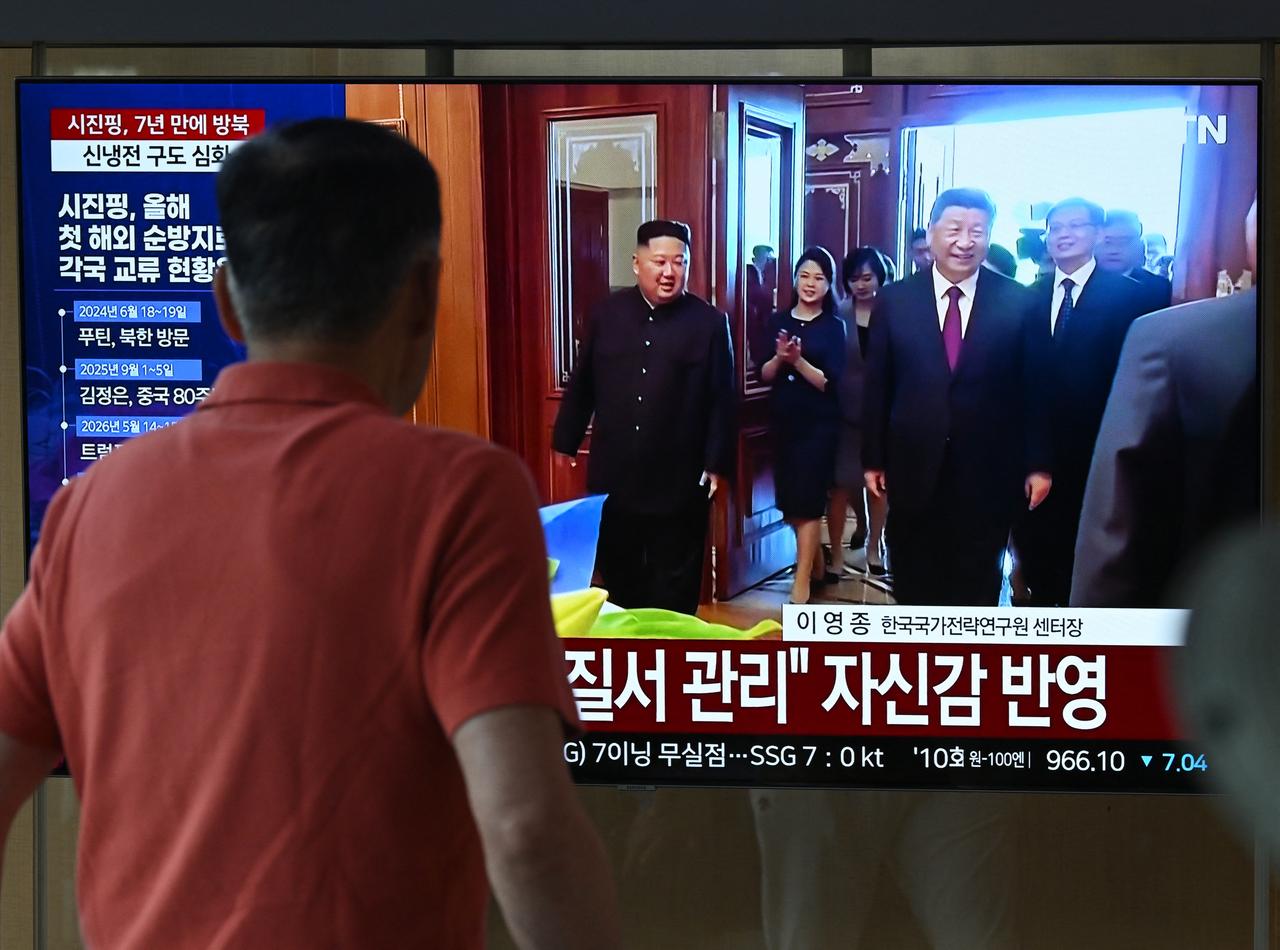
South Korea is expected to closely monitor Xi’s visit from across the border dividing the two Koreas.
South Korean media reported that President Lee Jae Myung asked Xi for assistance with mediation during a visit to Beijing in January and that Xi responded positively.
An unnamed South Korean official told Yonhap News Agency last month that Xi could propose mediating denuclearization talks between North Korea and the U.S.
During the Pyongyang visit, Xi is expected to seek a position that addresses U.S. and South Korean demands on North Korea’s nuclear program while maintaining China’s strategic relations with Pyongyang and Moscow.


 Set as preferred source
 Set as preferred source


 1 min read
 1 min read