Newsletters


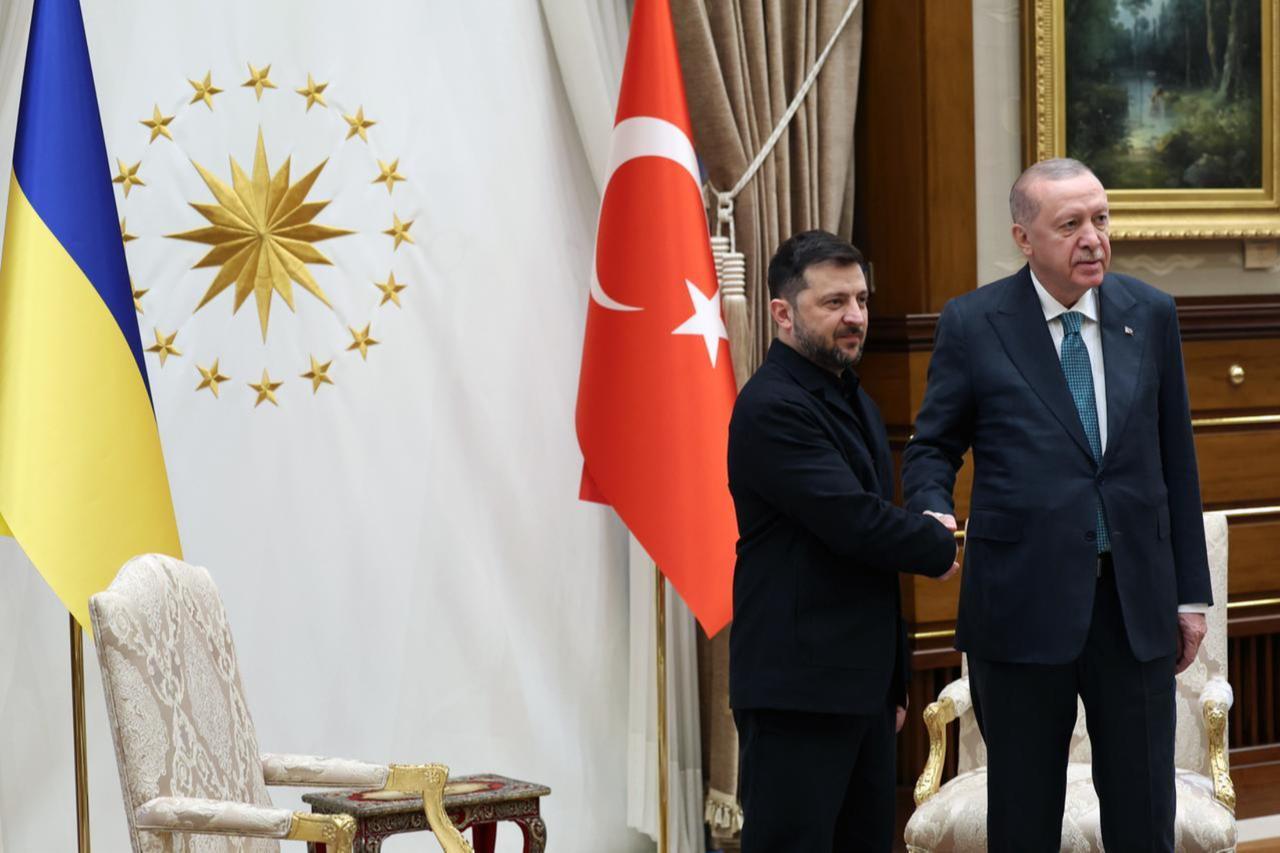


Ukrainian President Volodymyr Zelenskyy publicly challenged President Recep Tayyip Erdogan's balancing act between supporting Ukraine and maintaining close ties with Russia on Saturday, questioning Ankara's role as Moscow's attacks devastate logistics networks in the Odesa region.
Speaking to journalists on Dec. 20, Zelenskyy delivered pointed remarks about Türkiye's contradictory position following Russia's December 18 assault on bridges over the Dniester River near Mayaky. The strikes severed a critical transport corridor linking Odesa with Moldova, forcing border checkpoint closures and creating cascading disruptions to civilian supply chains.
"Turkish President Erdogan has always supported Ukraine, but he has good relations with Putin – and it is up to him to be asked why he continually attacks all of Odesa's logistics," Zelenskyy said, directly addressing the Turkish leader's simultaneous backing of Ukrainian sovereignty and diplomatic engagement with Moscow. "It is unclear – to sow chaos, to pressure the people of Odesa morally, so there is no fuel, food, or medicines."
The unusually direct criticism highlights growing Ukrainian frustration with nations attempting to maintain neutral or balanced positions in the conflict. Türkiye has previously hosted negotiations between Kyiv and Moscow, positioning itself as a potential mediator while preserving economic and diplomatic relationships with Russia.


In response to the strikes' impact, Zelenskyy announced the removal of Dmytro Karpenko, commander of Air Command "South," responsible for air defense operations protecting the Odesa region. The president framed the personnel change as necessary for improving Ukraine's defensive capabilities against persistent Russian targeting of civilian infrastructure.
"We will fight for logistics, strengthen air defense and command," Zelenskyy said. "We must respond in time, quickly no matter how hard it is, and we must defend as much as possible our people, Odesa, and our other regions."
Viktor Mykyta, Deputy Head of the Office of the President, later reported that transport links had been restored to normal operation following the bridge attack. According to Mykyta, logistics networks continue functioning on schedule despite the assault, with ATMs and state institutions remaining operational, though some inconveniences persist.
The December 18 attack forced traffic diversions from the Odesa-Reni road, with border checkpoints near Palanca operating at reduced capacity. The Dniester River crossing near Mayaky serves as a vital artery for commercial traffic between Ukraine and Moldova, making it a strategically significant target.
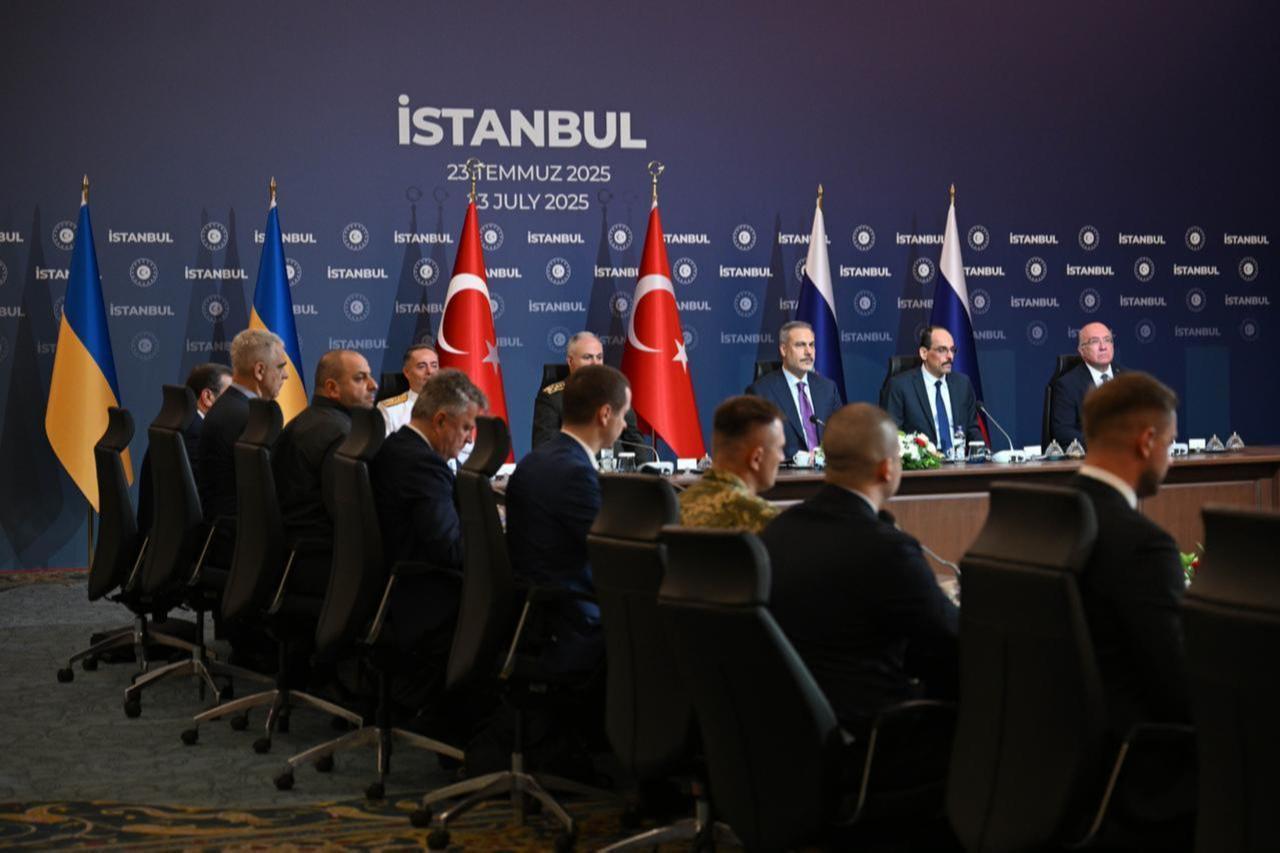
Zelenskyy also confirmed American proposals for trilateral negotiations involving Ukraine, the United States, and Russia, following discussions between Ukrainian and U.S. representatives on December 19. National Security and Defense Council Secretary Rustem Umerov announced that recent talks were productive and yielded some progress.
The Ukrainian president acknowledged the value of previous trilateral formats held in Türkiye, which facilitated prisoner and civilian exchanges, while tempering expectations for immediate diplomatic breakthroughs. "There is no need to expect major news right now," Zelenskyy said, noting that such formats previously produced concrete results in returning Ukrainian military personnel and civilians.
"This is not Ukraine's full vision, but exchanges are an important component that allowed us to bring home our military personnel and civilians," he added.
The peace process has accelerated in recent weeks, with a U.S.-Ukraine meeting in Miami on November 30, discussions of a streamlined 20-point proposal replacing an initial 28-point Russian document, a December 6-7 American delegation visit to Moscow, and December 14-15 talks in Berlin focusing on the revised plan.
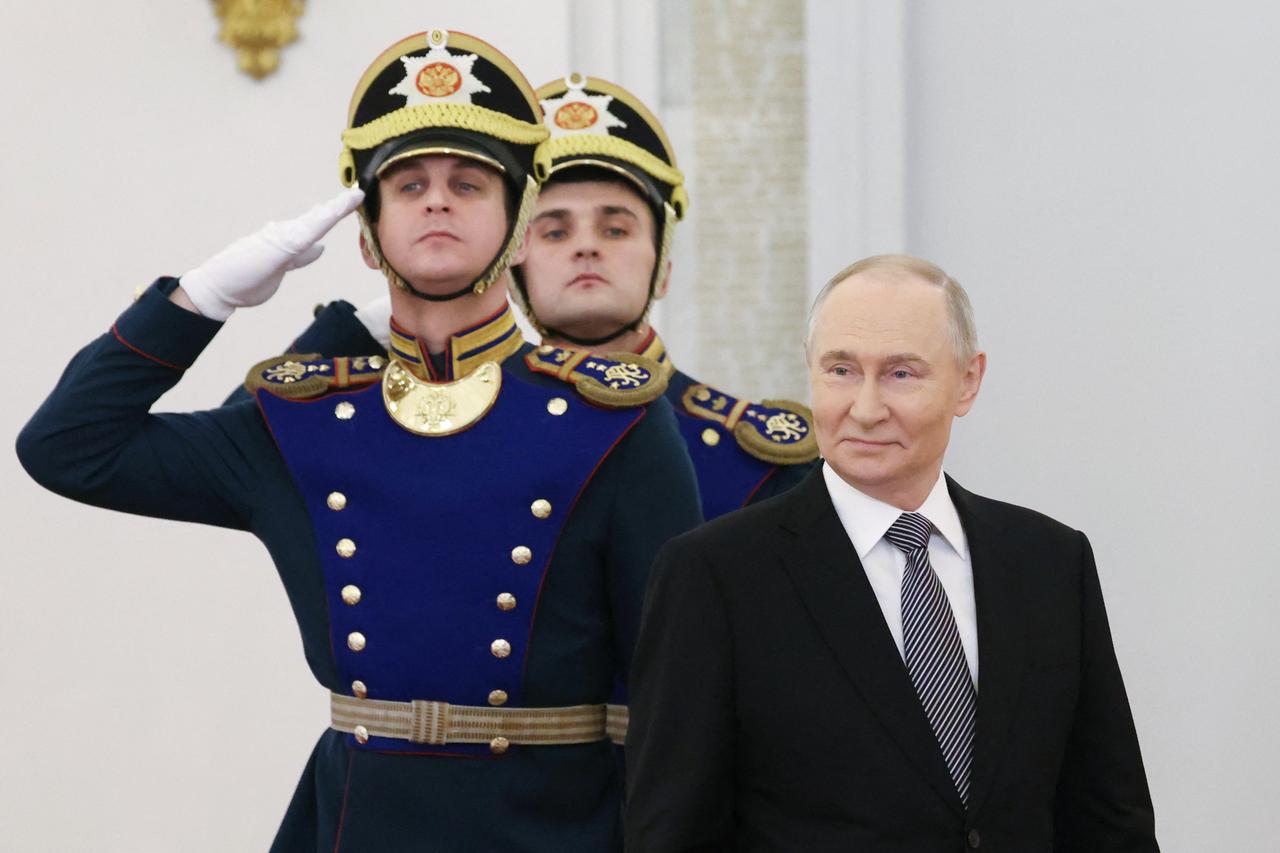
Despite diplomatic momentum, Zelenskyy expressed skepticism about Russian intentions. President Vladimir Putin confirmed during a December 19 press conference his preference for resolving matters "by peaceful means" without indicating willingness to make substantive concessions. Zelenskyy noted on December 18 that Putin shows no urgency to end hostilities.
"Thanks to the persistence of our American partners, it may be possible to stop the Russian war," Zelenskyy said, crediting Washington's diplomatic efforts while maintaining doubt about Moscow's commitment.


 Set as preferred source
 Set as preferred source


 1 min read
 1 min read