Newsletters





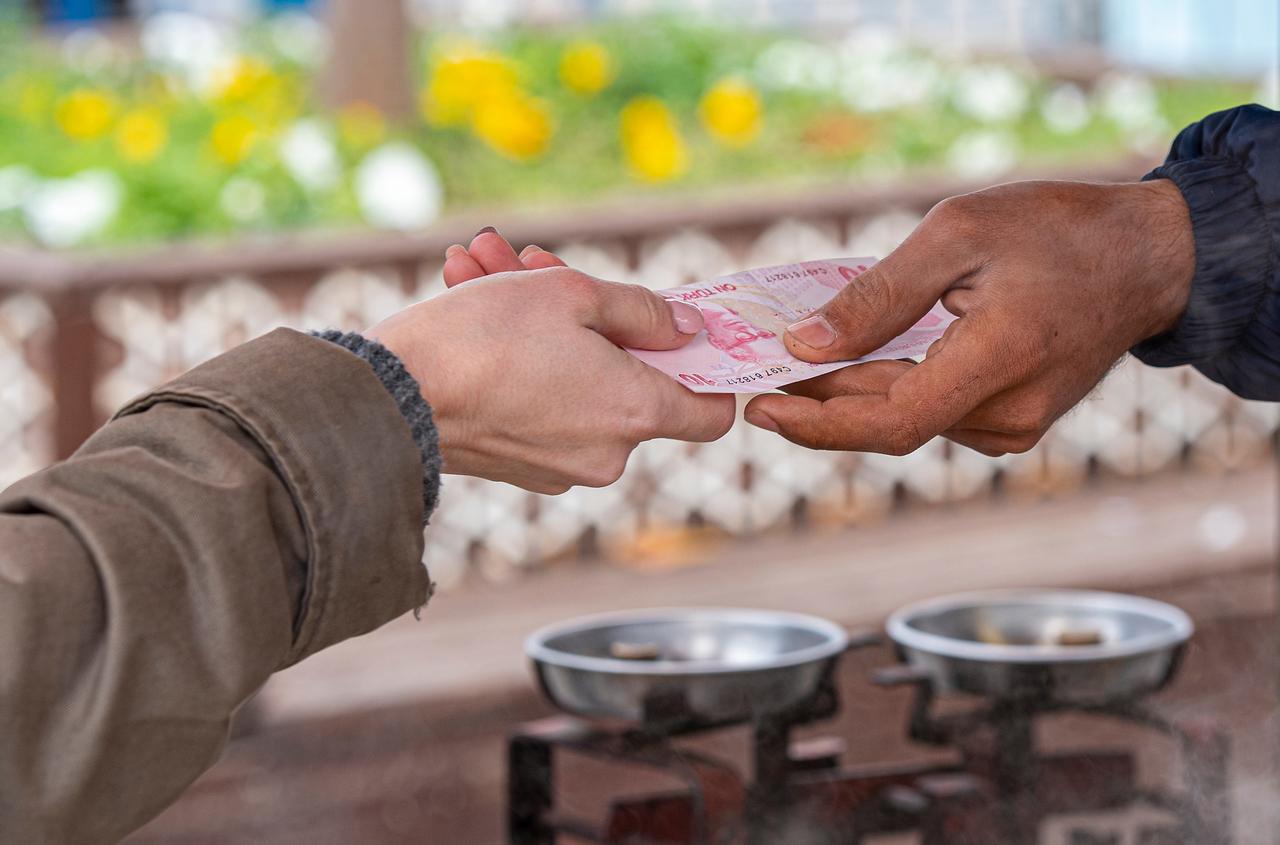
Many Turkish wage earners struggle to make their salaries last through the month, with 25% of respondents saying their money runs out within the first seven days while 24% still have unspent money at the end of the month, a survey found.
The findings come from Hopi Pulse, a consumer behavior survey conducted through the survey module of Hopi, a Turkish shopping and loyalty platform, in August 2026, with the participation of 1,500 users.
The research examines spending patterns, from salary deposits to how consumers manage their money throughout the month.
The survey showed that most respondents used their salaries first for mandatory expenses and basic needs. Some 71% said they first allocated their income to regular payments such as rent, bills, loans, and credit card expenses, while 17% prioritized groceries and other basic needs.
Overall, 88% used their salaries primarily for mandatory payments and essential spending. Only 8% said they were initially able to set aside part of their income for savings or investments.
Among respondents in the first income group, 68% said their salary was exhausted within the first three weeks, while 18% still had money left at the end of the month.
In the second income group, 32% reported having money remaining at month-end, while about two-thirds had spent their entire salary.
Women reported going through their salaries faster than men, with 31% saying their income ran out within the first seven days, compared with 21% of men.
Meanwhile, 27% of men said they had money left at the end of the month, compared with 21% of women.
Among respondents aged 26 to 35, the gap was wider, with 40% of women saying their salary ran out within the first week, compared with 24% of men.

Once mandatory expenses were covered, clothing accounted for 49% of respondents' personal discretionary spending, making it the largest category.
Eating out and restaurants followed at 13%, while cosmetics and travel also featured among notable spending areas.
The survey found that 78% had difficulty cutting spending in at least some categories.
Clothing was the expense respondents were most reluctant to reduce, with 19% identifying it as the category they would protect when tightening their budgets. Another 22% said they could reduce spending across all categories.
Budget pressure did not eliminate small purchases that respondents considered personally rewarding.
Nine in 10 said they always or sometimes made such purchases, while 10% said they never did.
Among respondents aged 18 to 25, none said they never made these purchases, while 52% said they made one during every salary period.


 Set as preferred source
 Set as preferred source


 1 min read

 1 min read