Newsletters


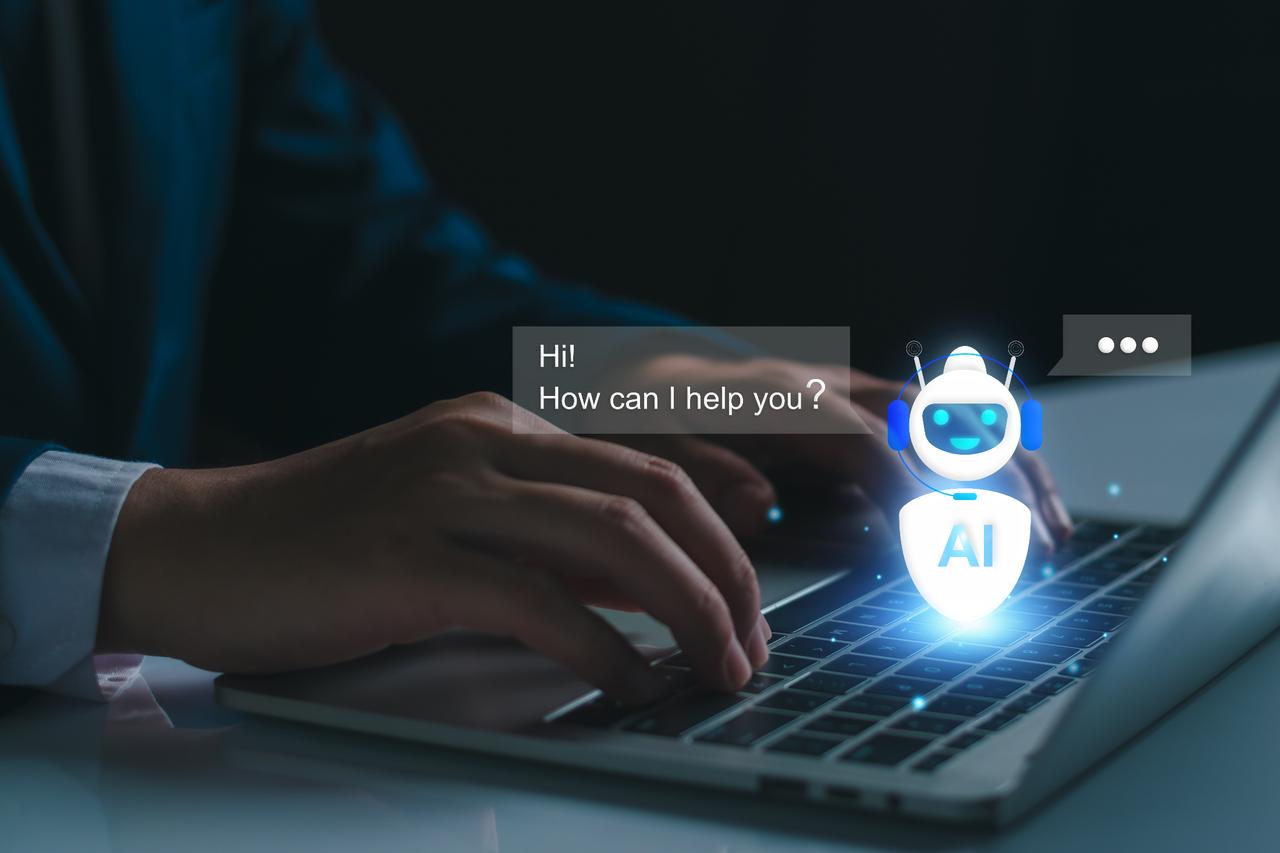


The introduction of advertisements and sponsored content in AI chatbots has raised privacy concerns among users, as technology companies and brands scramble to stay relevant in a rapidly evolving online environment.
ChatGPT developer OpenAI has begun showing ads in chatbot conversations for free and low-cost users as it seeks to balance hundreds of billions of dollars in spending commitments with new revenue sources.
The move quickly drew criticism from rival Anthropic, which has built its reputation around safety and data security.
Anthropic aired an advertisement during last week’s Super Bowl depicting a man seeking advice from a conversational AI, which then inserts advertising copy for a dating website into an otherwise relevant response.
OpenAI CEO Sam Altman responded by calling the clip “clearly dishonest.”
Beyond OpenAI, Microsoft has been running contextual ads and sponsored content in its Copilot AI assistant since 2023.
AI search engine Perplexity has been testing ads in the United States since 2024, while Google has also been testing ads in the AI-generated “overviews” offered by its search engine since last year.
Google has repeatedly denied plans to run ads in its Gemini chatbot. Demis Hassabis, head of Google’s DeepMind AI unit, has said ads “have to be handled very carefully.”
“The most important thing,” in AI, he said, is “trust in security and privacy, because you want to share potentially your life with that assistant.”
OpenAI has sought to reassure users that ChatGPT’s responses will not be altered by advertising, saying ads are displayed alongside conversations rather than integrated into them. The company has also pledged not to sell user data to advertisers.
AI companies are “concerned that selling ads will scare away users,” said Nate Elliott, an analyst with US data firm eMarketer.
But “when it’s free, you’re the product. It’s a risk we’re all more or less aware of already,” said Jerome Malzac of AI consultancy Micropole.
“We accept it because we find value in it,” he added.
If users continue to accept advertising, marketers are eager to capitalize on AI-driven engagement.
“It’s going to be a game changer for the entire industry,” said Justin Seibert, head of Direct Online Marketing.
“We’re already seeing how high the conversion rates (interactions resulting in a purchase) are for people that are coming in from ChatGPT and the other LLMs (large language models),” he said.
AI assistants could account for up to 2% of the global online advertising market by 2030, according to HSBC analysts.
Several companies, including US retailer Target and software maker Adobe, are already prioritizing visibility in AI-driven platforms.
Beyond paid placements, companies are also seeking to have their products appear in chatbots’ organic responses.
The practice, known as Generative Engine Optimization, or GEO, builds on earlier search engine optimization strategies developed during Google’s dominance of online search.
“We identified 90 rules that can make sure the content you create is valued by AI and spread to the right places,” said Joan Burkovic, head of French GEO startup GetMint.
The company says it already has about 100 clients, including fashion brand Lacoste.
Malzac pointed to strategies such as citing scientific research, adding frequently asked questions sections, and maintaining structured, regularly updated content.
“If your brand isn’t referenced (by chatbots), it no longer exists” for some users, he warned.


 Set as preferred source
 Set as preferred source


 1 min read



 1 min read