Newsletters


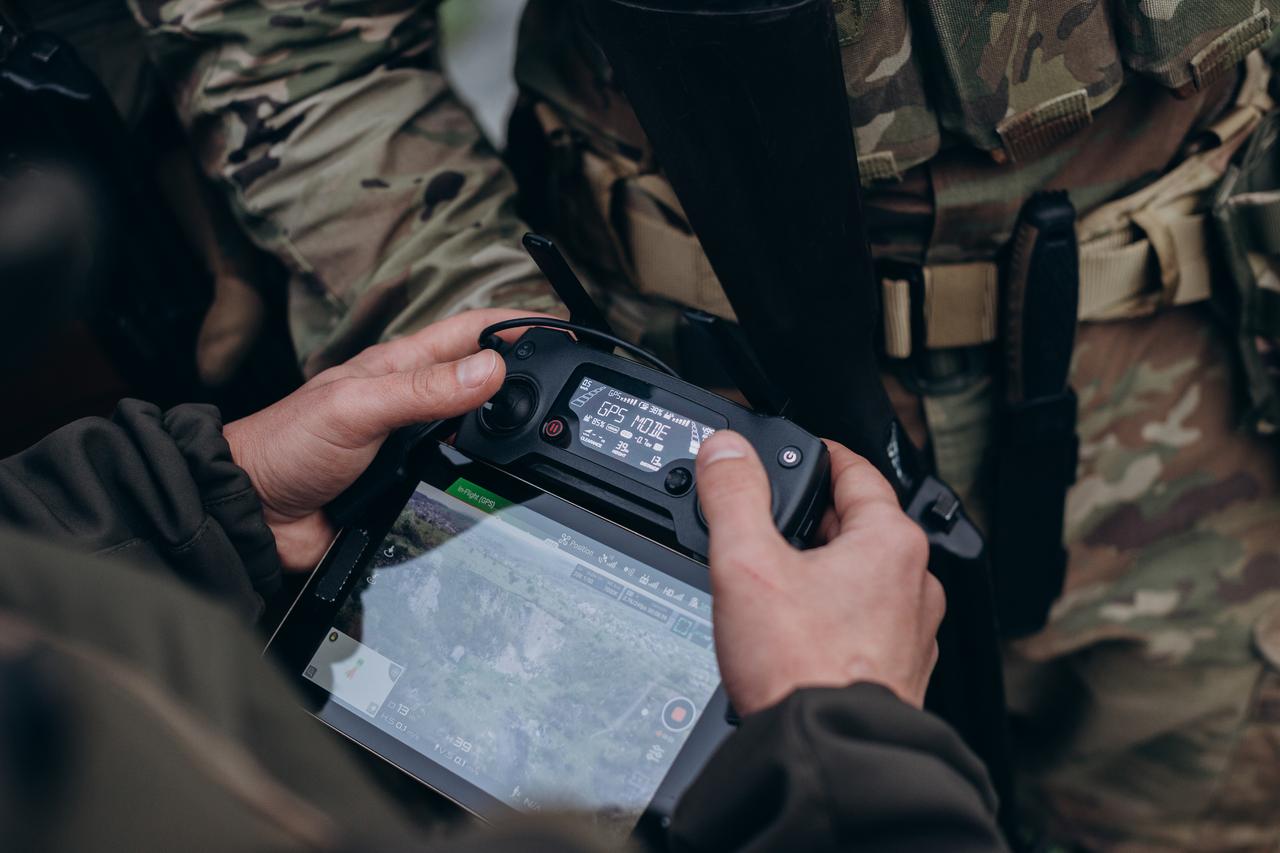


Tools and technologies originally developed for war, espionage and academic research have evolved into indispensable parts of the global entertainment industry and everyday life.
Innovations such as the internet and artificial intelligence shifted from military and strategic use to civilian applications, fundamentally changing how people consume information, communicate and entertain themselves.
The internet, now the world’s primary medium for entertainment and communication, traces its origins to a U.S. Defense Department project.
Developed by the Defense Advanced Research Projects Agency, ARPANET was initially designed to support secure military research. Over time, the technology expanded beyond defense purposes and became accessible to personal computers.
Following its widespread adoption, the internet transformed into a vast digital ecosystem supporting commerce, education and daily communication.
The rise of social media represents one of the most visible shifts in internet use.
Facebook, which began as a digital yearbook for Harvard University students, initially operated as a closed network for Ivy League institutions such as Yale, Columbia and Stanford. After opening to the general public in 2006, the platform evolved from a university-based tool into what many describe as a digital town square.
In later years, platforms including Instagram, X and TikTok turned online infrastructure into an entertainment-driven environment. Algorithms increasingly prioritize attention-grabbing content, particularly short-form videos such as Instagram Reels, to maximize user engagement.


The Digital 2026 report, published by We Are Social and Meltwater, said global internet usage habits and purposes are undergoing a significant transformation.
Searching for information remains the most common online activity, accounting for 60.7% of usage. While this was largely done through traditional search engines such as Google in 2024, the report said AI chatbots and social media-based searches on platforms like TikTok and Instagram rose significantly in 2026.
According to the report, 58.7% of users relied on the internet to communicate with family and friends, while 54.2% used it to stream videos, television shows and movies. Compared with 2024, services such as YouTube and Netflix, along with short-form content platforms like Instagram and TikTok, recorded usage increases of more than 10% in 2026.
Other widely used technologies also share military origins.
The global positioning system, originally developed during the Cold War to track intercontinental missiles and military vehicles, was later opened to civilian use through aviation safety applications. Today, GPS plays a central role in daily life, supporting services such as food delivery, dating apps and smartwatch tracking.
Drones followed a similar path. Once limited to military reconnaissance and surveillance, they are now essential tools in media production, agriculture and logistics. Civilian drone use expanded rapidly in the early 2000s as GPS technology and lithium-ion batteries became more affordable.
Artificial intelligence, often described as the most significant invention of modern times, also has roots in military strategy.
Its development can be traced to World War II, when English computer scientist Alan Turing created the “bombe” machine to decipher encrypted messages produced by Germany’s Enigma code. AI research continued to advance throughout the Cold War.
AI entered the mainstream in the 2020s with generative models such as ChatGPT, followed by platforms including Google Gemini, Grok and DeepSeek. These tools normalized AI for applications such as text-based interaction, image creation and video generation.
The transition of military technology into civilian life is not new.
Microwave ovens and jet engines are among the historical examples of wartime innovations that later became integral to everyday use, underscoring a long-standing pattern in which defense-driven research reshapes civilian society.


 Set as preferred source
 Set as preferred source



 2 min read