Newsletters


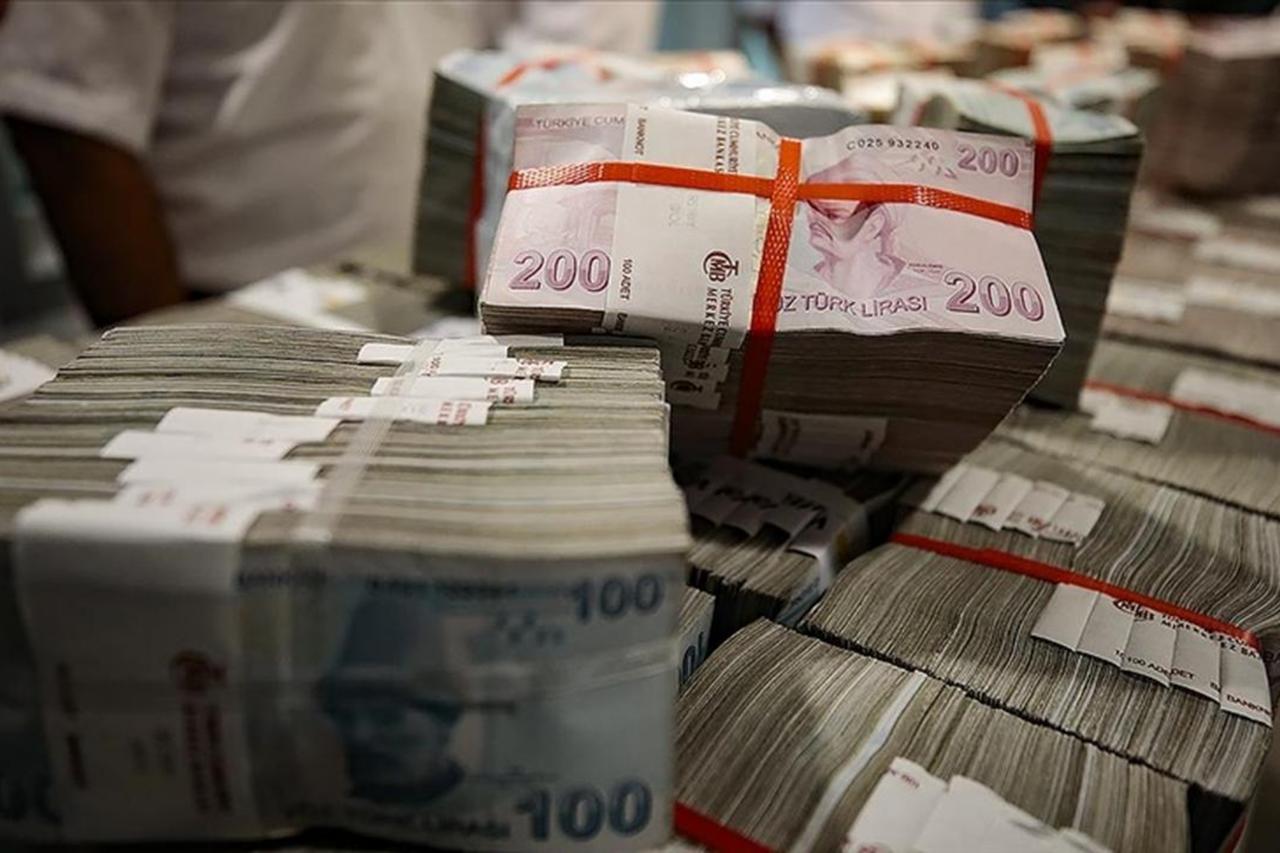


The Turkish government's push for tighter tax compliance using artificial intelligence is yielding strong results in reducing the budget deficit, according to BlueBay Asset Management strategist Timothy Ash.
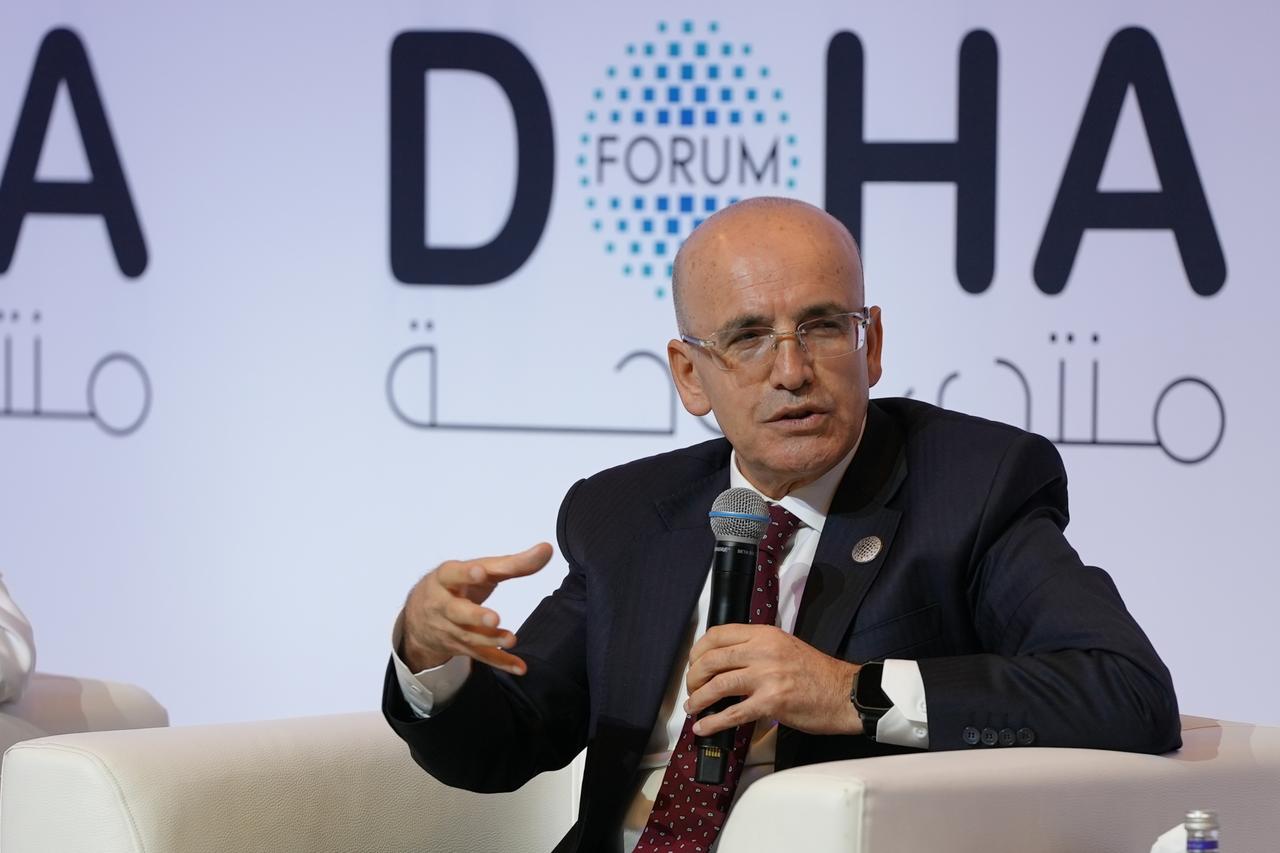
In a post on X following his recent visit to Türkiye, Timothy Ash said the private sector is already feeling the impact of Finance Minister Mehmet Simsek’s efforts to improve tax compliance through digital tools. He noted that the government’s approach, relying on technology and artificial intelligence to detect tax evasion and enhance revenue collection, is having a visible effect across the commercial sector.
However, Ash added that some businesses are uneasy about the growing compliance pressure.
Ash noted that the improved tax revenue is helping narrow the country’s budget deficit, which is now expected to fall below 3.5% of gross domestic product (GDP) in 2025. That would mark a sharp improvement in Türkiye’s public finances, particularly following a series of expansionary fiscal measures adopted in recent years to buffer the economy.
Ash added that the government may even post a primary surplus in 2025—meaning its budget, excluding interest payments, would be in the black. Such a development would strengthen Türkiye’s fiscal position as it prepares for potential early elections.
"There is a sense," Ash observed, "that 2026 will be a year for rebuilding fiscal buffers, especially ahead of elections that could be held as early as 2027."
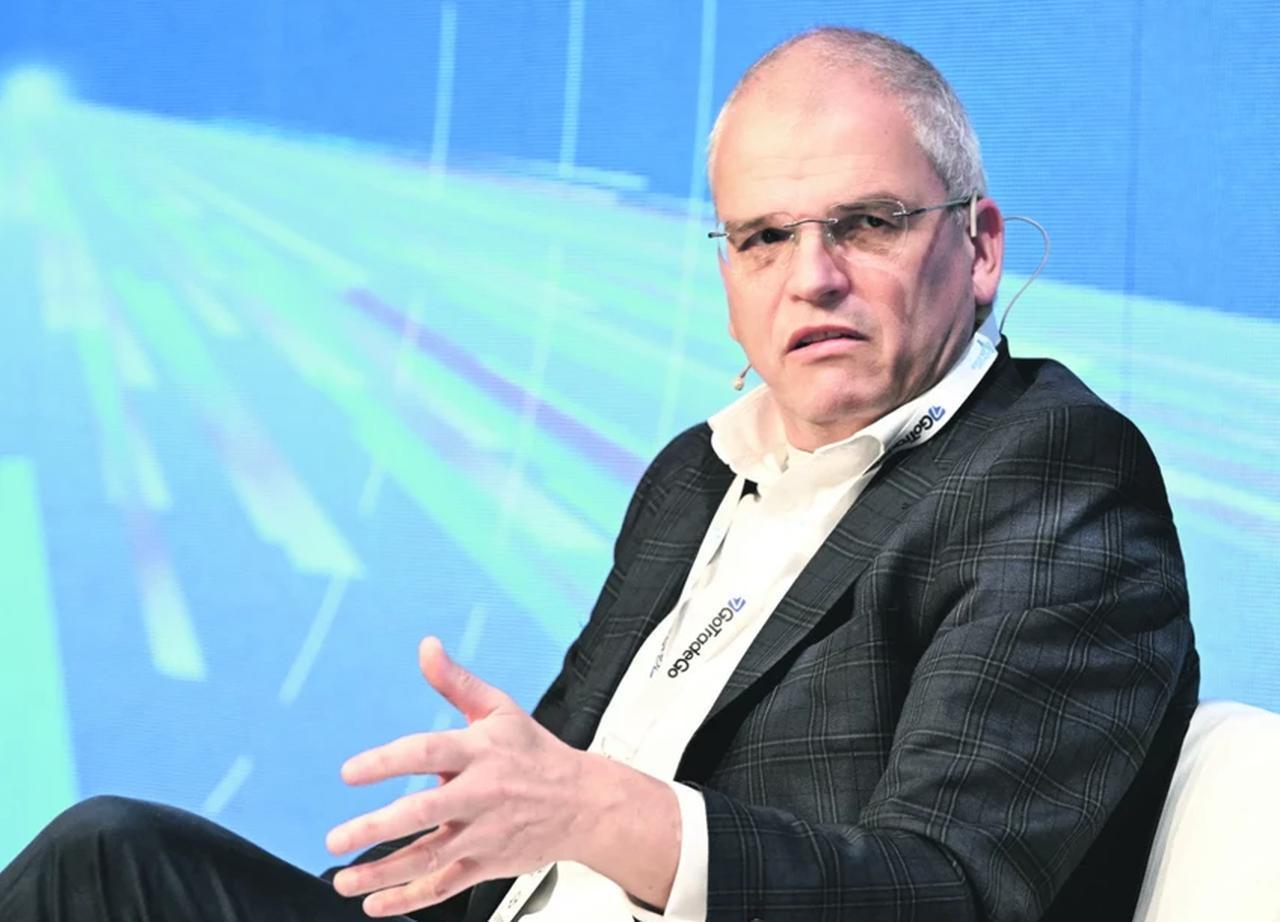

Türkiye’s central government posted a budget deficit of ₺223.2 billion ($5.24 billion) in October, bringing the cumulative shortfall to ₺1.44 trillion ($33.86 billion) in the first ten months of the year, Treasury data showed.
Total budget revenues for the January–October period reached ₺10.15 trillion, up 48.1% year-on-year, largely driven by tax collections.
In October alone, revenues rose 49.1% annually to ₺1.147 trillion, with tax income increasing 51.6% to ₺976 billion, supported by higher collections from income and consumption taxes.
The primary surplus—the balance excluding interest payments—stood at ₺379.3 billion during the same period.
Under its Medium-Term Program, the government projects a 2025 budget deficit of ₺2.1 trillion, equivalent to 3.6% of GDP.


 Set as preferred source
 Set as preferred source


 1 min read
 1 min read