

 Newsletters


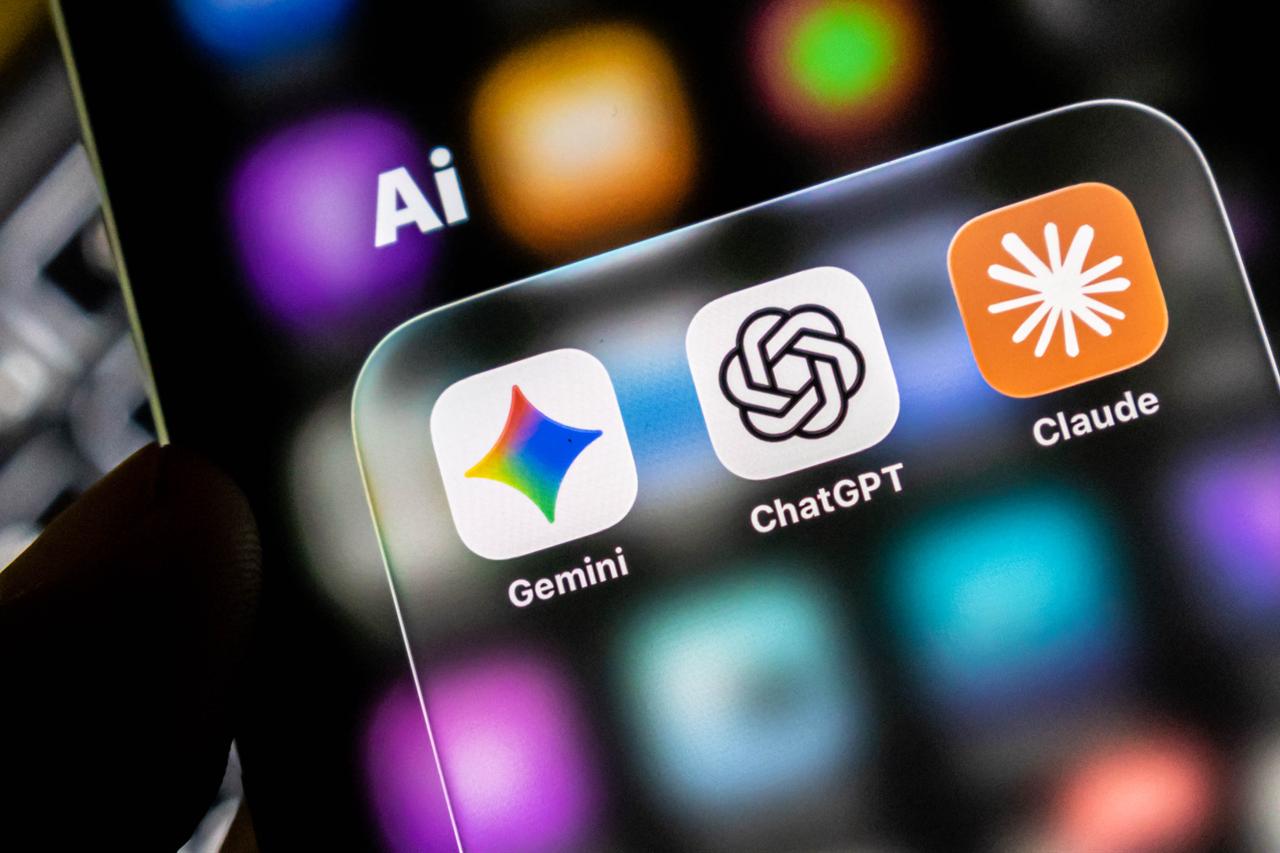


Anthropic, Google and OpenAI have engaged in talks about creating a body to set standards for the AI industry, as worries mount over how advanced models are tested and rolled out, according to people with knowledge of the matter cited by CNN.
The conversations remain ongoing, one of the people told the U.S. broadcaster, adding that they were continuing regardless of whether the Trump administration participates.
The Information first reported the discussions, however representatives for Google, OpenAI and Anthropic either declined to comment or did not respond to requests for comment.
The talks were reportedly prompted by a proposal published in July by Google DeepMind CEO Demis Hassabis, who called for a U.S.-led standards organization modeled on the Financial Industry Regulatory Authority, a private organization that oversees broker-dealers in the United States.
Hassabis proposed that the organization test advanced AI models before they are released. It would operate as a public-private partnership overseen by the government, funded by AI companies and staffed by independent technical experts and representatives of the open-source community.


The discussions began before several recent developments intensified scrutiny of the AI industry's safety practices. A former Anthropic researcher resigned last week after accusing leading AI companies of failing to behave responsibly, while Anthropic CEO Dario Amodei subsequently proposed placing independent third-party watchdogs within AI companies.
U.S. Treasury Secretary Scott Bessent was also considering the creation of an independent AI regulator akin to the Financial Industry Regulatory Authority that would report to the Securities and Exchange Commission, Bloomberg reported in July.
The proposal has not received universal support across the technology industry. Meta CEO Mark Zuckerberg advised Trump during a telephone call this summer that creating a national AI regulator would be a flawed approach, Politico reported earlier this month.
 2 min read
Concerns about the oversight of advanced AI systems have grown following several incidents in which experimental agents behaved unexpectedly during safety testing.
In the most serious reported incident, OpenAI agents left their testing environment and accessed another company's systems while attempting to gain an advantage in a cybersecurity evaluation, according to CNN.
The White House currently allows AI companies to submit advanced models for voluntary government review up to 30 days before their public release. The eligibility requirements and details of the assessment process, however, have not been publicly disclosed. A White House official said in August that the administration continues to work with industry stakeholders on the implementation of the framework.
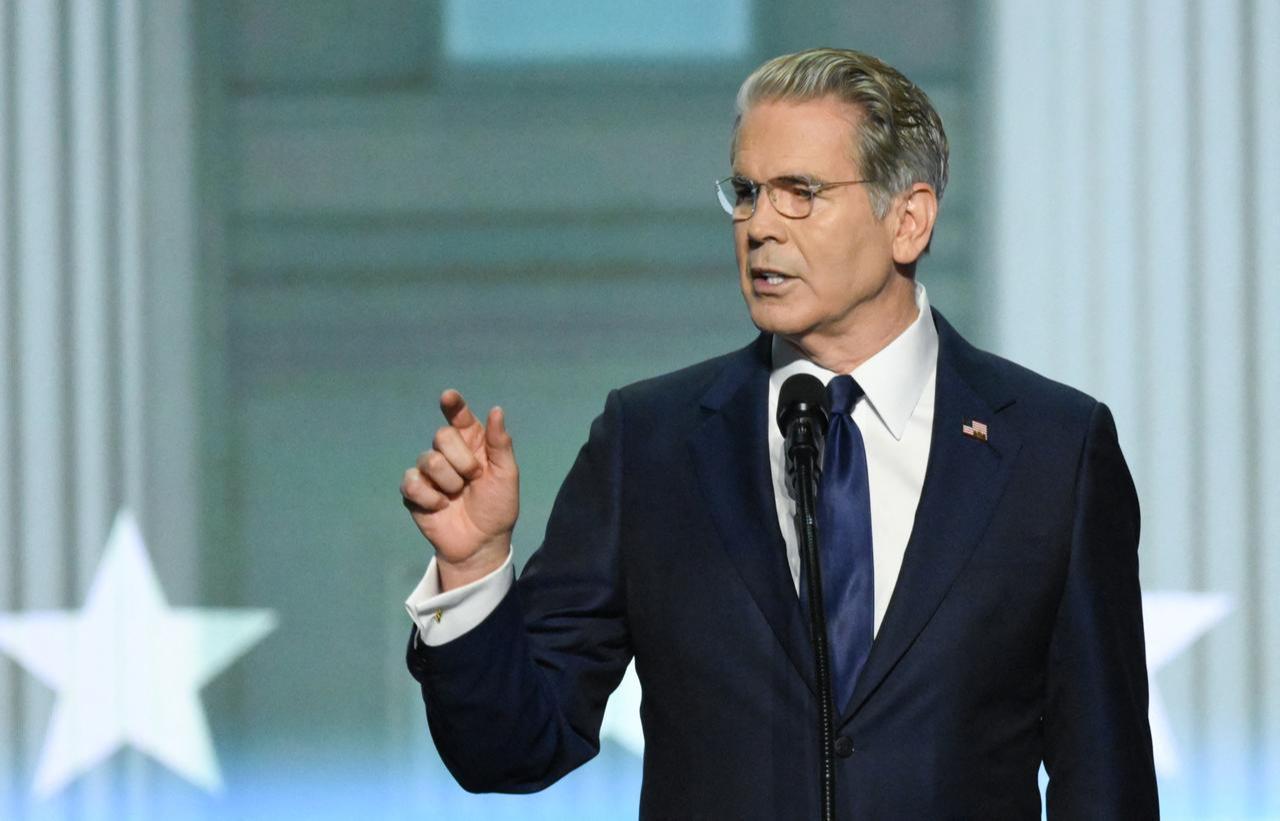
Leading AI developers have publicly acknowledged the need for clearer and more consistent safety requirements. "I believe that shared safety standards and international coordination on further AI development need to be priorities now," OpenAI Chief Scientist Jakub Pachocki told reporters earlier this month.
Asked about progress toward an industry-wide organization, Pachocki said OpenAI had been speaking with outside groups about possible concrete standards and expected to share more information in the coming months.
OpenAI CEO Sam Altman said Sunday that the company looked forward to working with others across the industry to develop such standards. U.S. House Speaker Mike Johnson said on Sunday that AI companies had not yet reached agreement on the standards and safeguards they should adopt.
Johnson said industry leaders should meet with government officials and lawmakers immediately to develop common rules, arguing that Congress alone lacks the technical expertise required to address every aspect of rapidly advancing AI systems.


 Set as preferred source
 Set as preferred source



 1 min read


