Newsletters


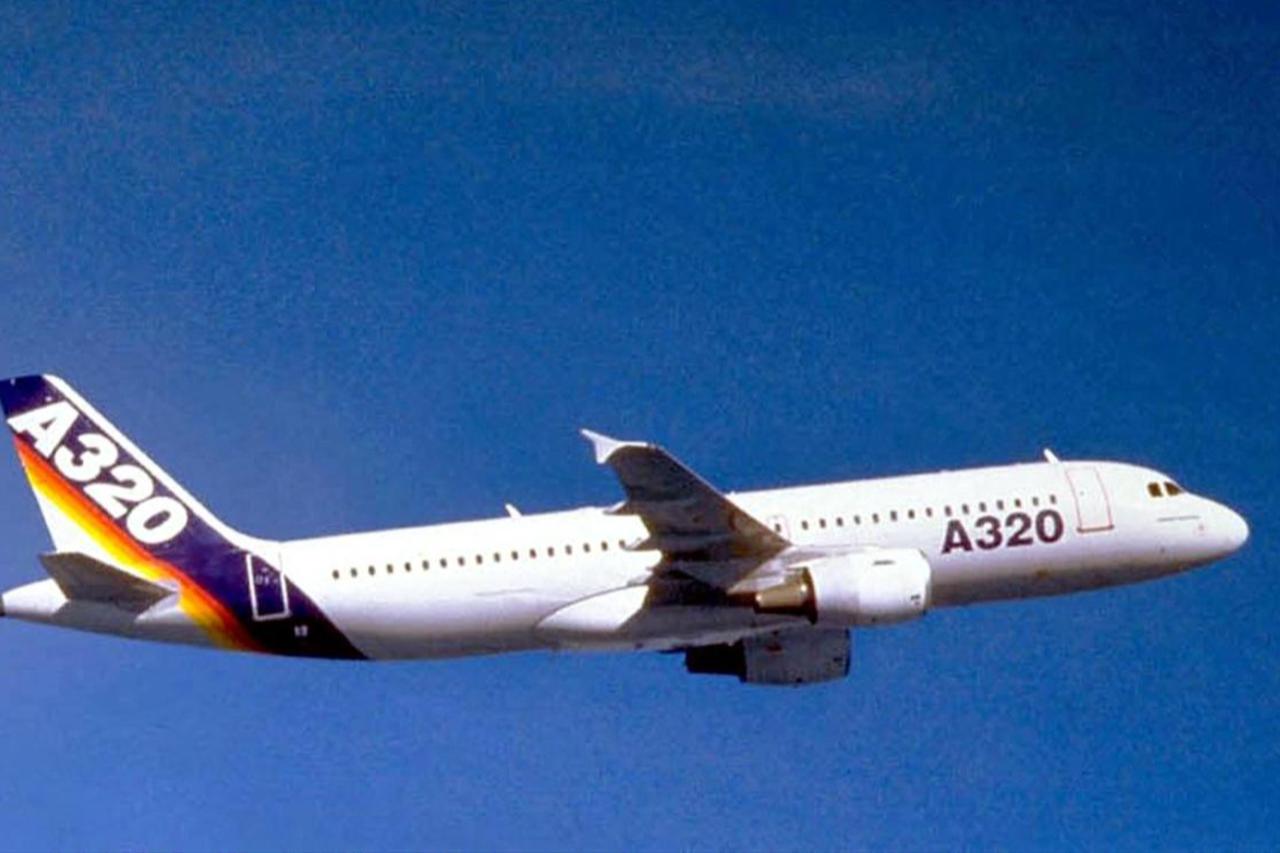


Airbus is preparing inspections on hundreds of A320-family aircraft after identifying a flaw in fuselage panels that has already disrupted delivery schedules and could further slow production in the coming months, Anadolu Agency reported.
The company is preparing inspections on 628 of its A320-family jets after discovering a defect in fuselage panels, a problem that is affecting its delivery schedule.
Airbus has also lowered its commercial aircraft delivery target for this year to 790 units, down from its earlier forecast of 820, citing the widening impact of ongoing quality issues.
The affected fleet includes 168 jets already in service, 245 in final assembly, about 100 of which were expected to be delivered in 2025 and 215 in earlier stages of production.
Some rear panel sections are also affected, though none of those are on planes currently flying.
While the flaw caused by incorrect panel thickness from a supplier’s manufacturing process is being treated as a quality issue rather than an immediate safety risk, it has nonetheless disrupted Airbus operations.


In a separate development, Airbus recently identified an industrial software issue affecting some A320-family aircraft, prompting an urgent precautionary update after the company found that intense solar radiation could corrupt data critical to flight-control functions.
The European Union Aviation Safety Agency issued an Emergency Airworthiness Directive linked to the problem, and Airbus said the software updates have since been completed on thousands of aircraft in service.
Inspections related to the fuselage panel flaw are to begin soon, with airlines being notified, but any needed repairs may take three to five weeks.
That could significantly disrupt production schedules, especially amid efforts to meet year-end delivery targets.
Guillaume Faury, Airbus CEO, confirmed that deliveries were already hit by the issue in November, calling the situation “weak,” and warned that the full impact on December deliveries is still being assessed.
The company said its financial guidance remains unchanged, and it expects adjusted earnings before interest and taxes to reach about 7 billion euros ($8.16 billlion) this year.


 Set as preferred source
 Set as preferred source



 2 min read