Newsletters





Global stock markets rebounded on Thursday, regaining ground after steep declines earlier in the week as expectations grew that shipping through the Strait of Hormuz could resume, easing some concerns about energy supply disruptions.
In Japan, the Nikkei 225 closed 1.7% higher. South Korea’s Kospi index, which had led regional losses with declines exceeding 12% a day earlier, bounced back strongly and traded 9.6% higher, recovering part of its weekly losses.
The improvement in sentiment followed gains in Western markets the previous day, when Europe’s Stoxx 600 rose 1.4% and the S&P 500 in the United States climbed 0.8%.
Elsewhere in Asia on Thursday, China’s Shanghai Composite was up 0.6%, while Hong Kong’s Hang Seng index traded 0.3% above its previous close.
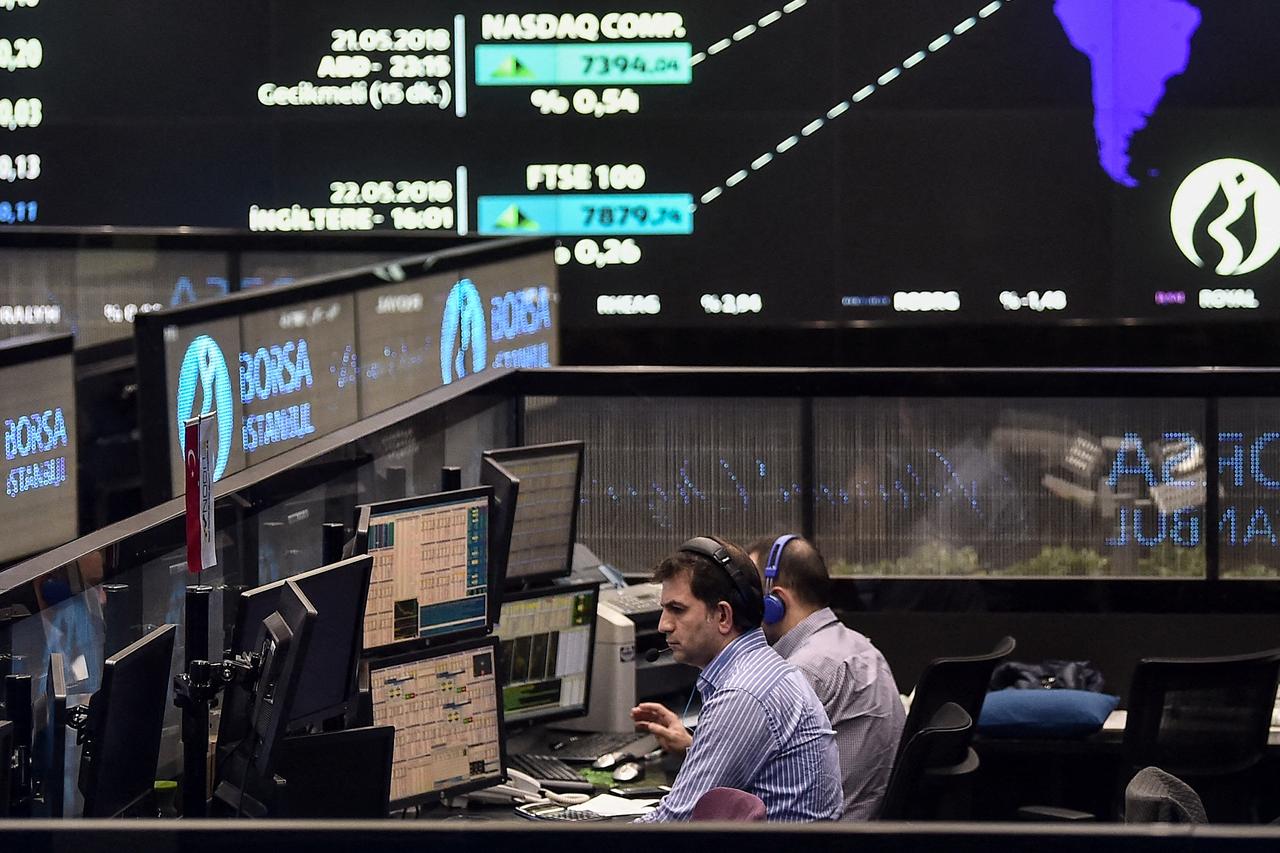
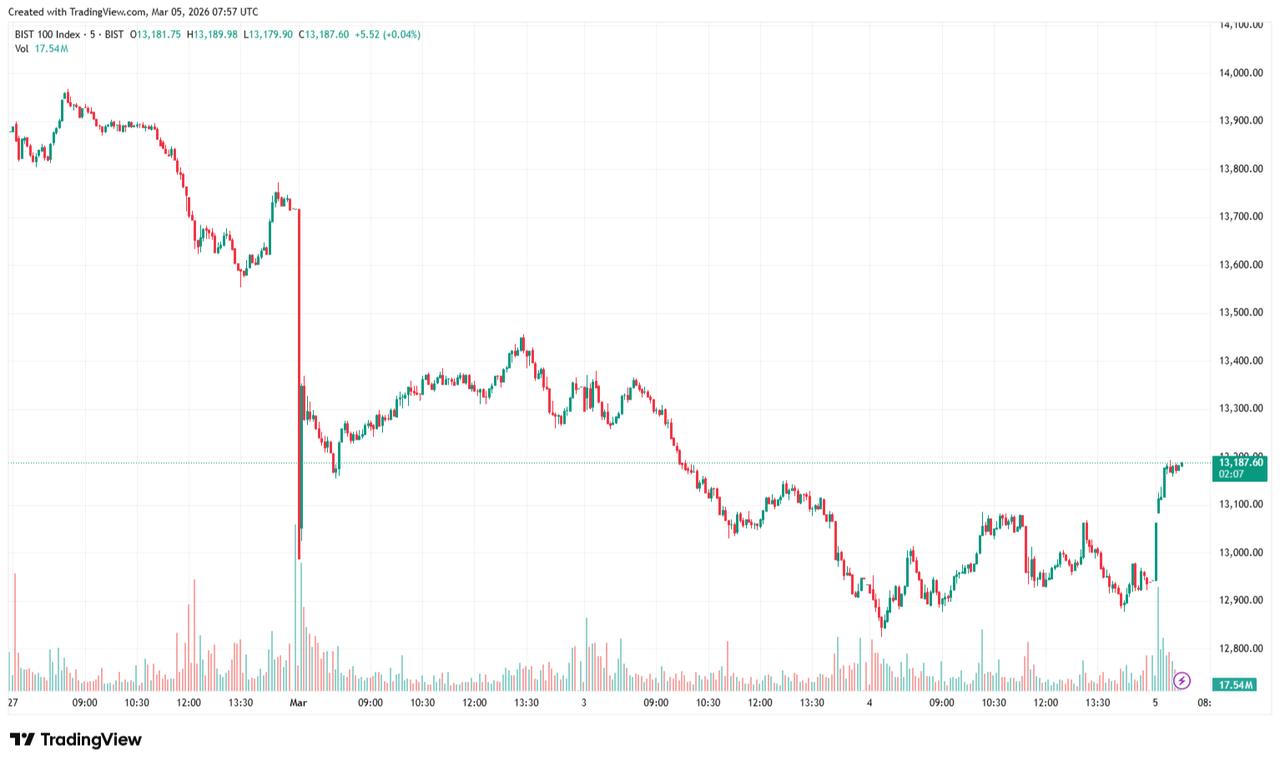
Türkiye’s benchmark BIST 100 index also opened higher, rising nearly 2% to 13,180 points. Across the Gulf, Saudi Arabia’s Tadawul rose 1.3%, Kuwait’s BK Main 50 gained 2% and Qatar’s QE Index added 1.3%, while Dubai fell 2.1%.
In contrast, futures in Europe and the United States edged slightly lower, with the Stoxx 600 futures down 0.2% and S&P 500 futures slipping 0.1%.
In precious metals markets, gold gained 0.4% to around $5,166 per ounce, while silver traded unchanged at $83.52. Platinum fell 0.3% to $2,141 and palladium dropped 0.8% to $1,644.
Cryptocurrency markets also moved higher, with bitcoin rising 5% to $72,500, pushing it back above the $70,000 level. The total cryptocurrency market capitalization expanded 4.5% to $2.45 trillion.

The Strait of Hormuz, a key passage that handles around 20% of global oil and LNG supplies, had effectively been closed after Iran’s Revolutionary Guards declared they would set ablaze any vessel attempting to pass through the route.
Earlier in the week, the disruption drove oil prices sharply higher, with Brent crude rising more than 10% and surpassing $85 per barrel for the first time since June 2024. In Europe, natural gas prices at the Dutch TTF hub surged more than 100% to above €65.5 per megawatt hour after Qatar, responsible for about 20% of global LNG exports, halted production following Iranian attacks on its facilities.
On Thursday, Brent crude reached an intraday high of $84.8 per barrel after a 3% daily increase, while U.S. benchmark WTI crude tested $78 per barrel. Prices later eased to around $83 for Brent and $76 for WTI as of 7:30 a.m. GMT. European natural gas closed Wednesday at €49.2.
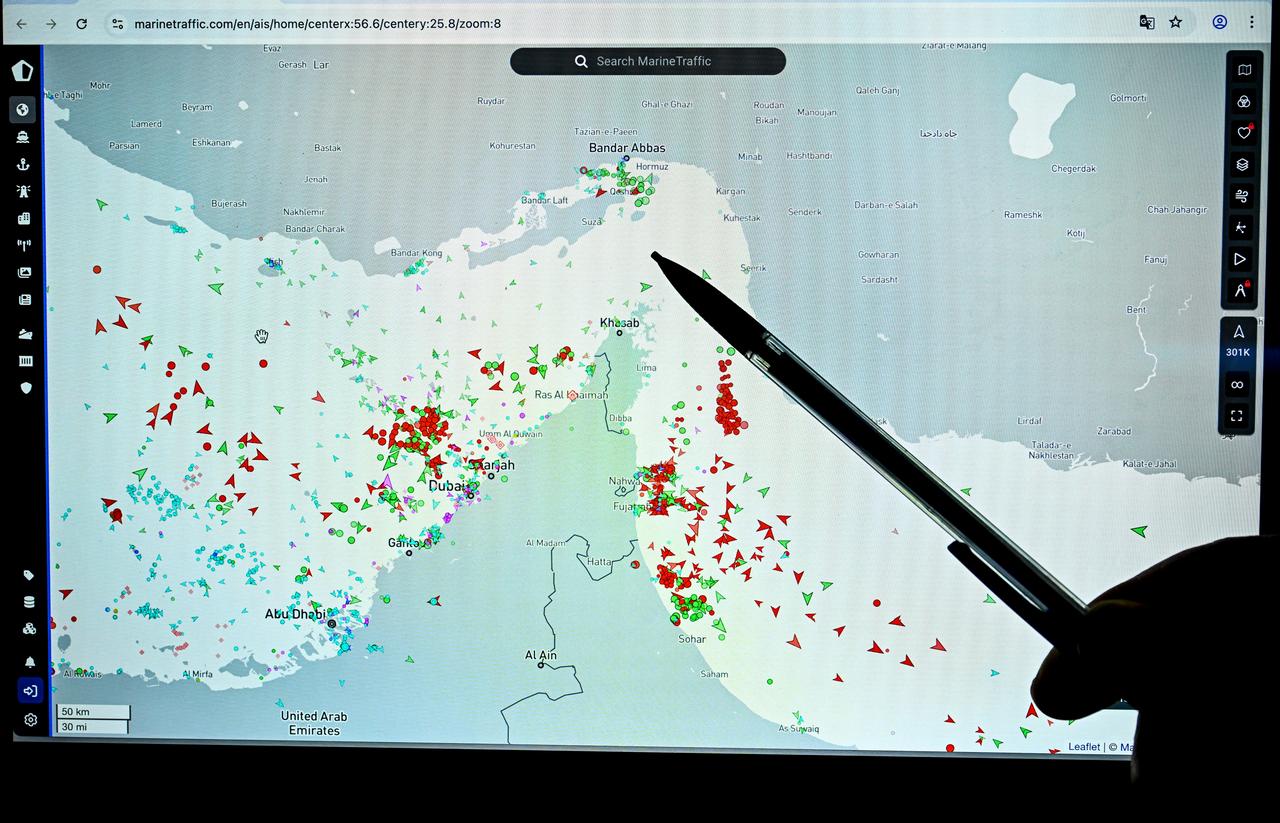
On Tuesday, U.S. President Donald Trump said Washington would provide naval escorts and political risk insurance for oil and gas tankers passing through the Strait of Hormuz, partially easing market concerns.
Marsh and Aon Plc, two of the world’s largest insurance brokers, held talks with the U.S. government on Thursday about a plan to insure tankers navigating the strategic energy chokepoint, although details of any agreement were not disclosed.
Meanwhile, Iranian Revolutionary Guards commander Kiyomers Haydari told state media that Tehran has not closed the Strait of Hormuz, adding that ships complying with international protocols continue to transit the waterway.
In an analysis, international credit rating agency Fitch Ratings said the disruption is likely to be temporary and its impact on global oil prices will remain limited.
Separately, China asked companies to pause new refined fuel export contracts and cancel scheduled shipments as the expanding Middle East conflict reduces refinery output, though the request does not apply to jet fuel for international flights, bonded bunkering, or supplies to Hong Kong and Macau.


 Set as preferred source
 Set as preferred source


 1 min read
 1 min read