Newsletters


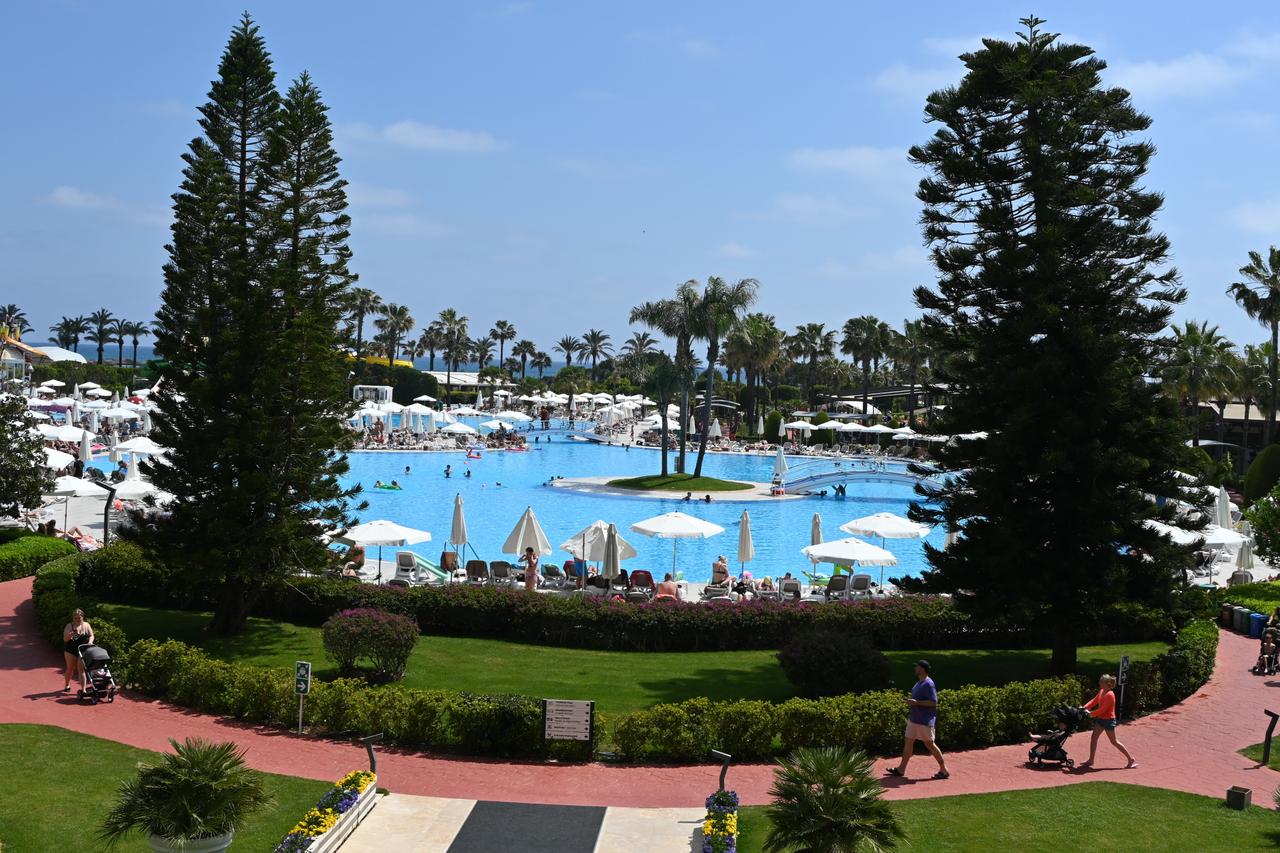


Antalya’s tourism season got off to a strong start, with total visitor numbers climbing past 1.5 million as of April 23, driven in part by a sharp rise in German arrivals.
German tourists made up more than 278,000 of that total, marking a 22% increase compared to the same period last year. The Mediterranean resort city continues to attract steady demand even during the winter months, with visitors from Germany, the United Kingdom and Russia keeping activity alive beyond the peak season.
Sector representative Hakan Saatcioglu, head of the Professional Hotel Managers Association, described the rise in German visitors as a positive signal for the sector.
Despite the upward trend, global tensions and ongoing conflicts are starting to weigh on travel behavior.
"There is uncertainty in the world. People cannot make clear long-term plans accordingly. Future reservations are affected," Saatcioglu told Anadolu Agency, adding that cancellations and new short-term bookings are happening at the same time.
Demand is expected to shift toward last-minute reservations as travelers wait for clearer conditions before committing, he added.
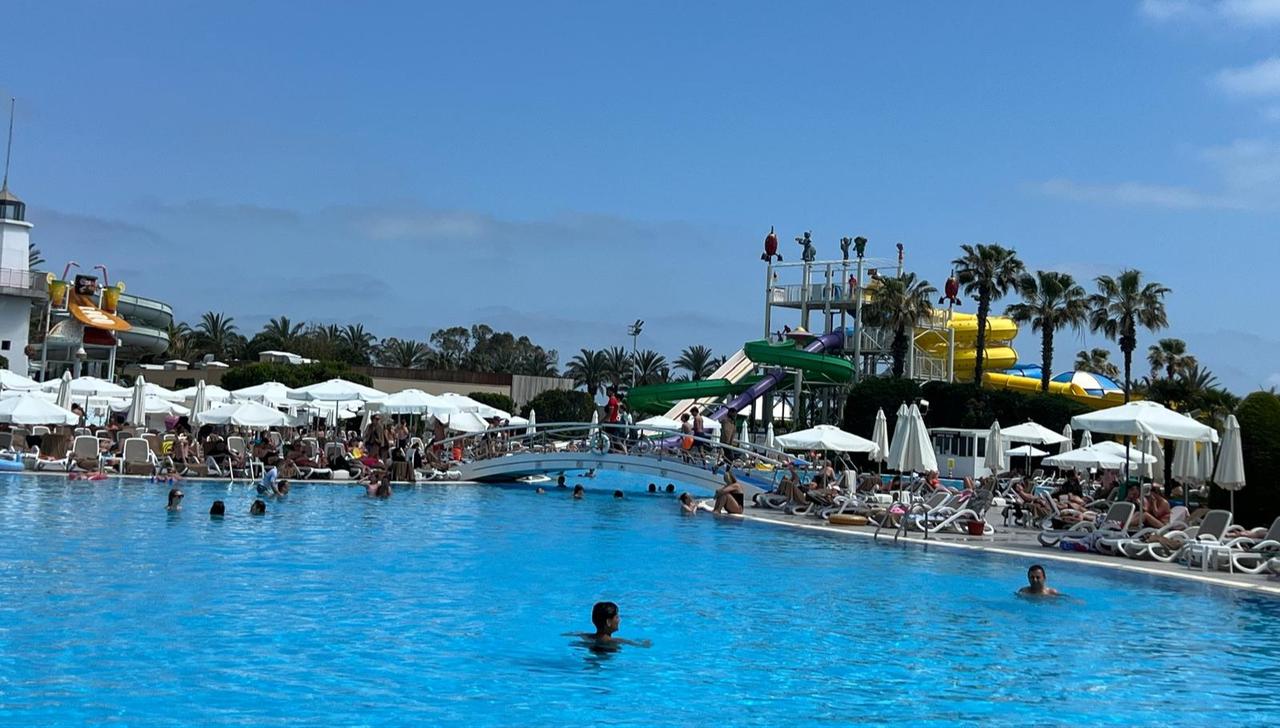

Even with the mixed booking outlook, the sector is still aiming high. Antalya is targeting 17 million visitors by the end of the year, a figure industry representatives believe is achievable.
So far, incoming tourists are leaving satisfied, according to sector feedback. Their experiences and social media posts are also helping shape travel decisions for others planning trips to Türkiye.
Across Türkiye, tourism revenues increased despite the fallout from the Iran war, with income rising 4.2% year-on-year to $9.9 billion in the first quarter, supported by steady growth in visitor numbers.
Total arrivals reached 9.3 million in the January–March period, up 1.5% from a year earlier, with March alone bringing in 3.2 million visitors, an 8.2% increase.
Germany remained the top source market with 678,000 visitors, followed by Russia with 651,000 and Bulgaria with 539,000. Iran and the United Kingdom also ranked among the leading contributors to inbound travel demand.


 Set as preferred source
 Set as preferred source


 1 min read

 1 min read