Newsletters




Countries including Canada, France and Norway, along with technology companies such as Anthropic, Microsoft and OpenAI, have signed a joint declaration on Nov. 9 aimed at ensuring artificial intelligence (AI) safety and security.
Titled the “Paris Call for AI Safety and Security,” the declaration was signed by the heads of state and government of Bahrain, Canada, Finland, France, Norway and the Netherlands, along with the chief executives of Anthropic, Black Forest Labs, Cohere, Domyn, Hugging Face, Microsoft, Mistral AI, OpenAI, Sakana AI and Synthesia, according to a statement from the Canadian Prime Minister’s Office.
The statement noted that civil society organizations LawZero, SaferAI, AI Safety Connect and Ifri are also among the signatories, adding that the declaration remains open to new signatories and will continue to be updated.
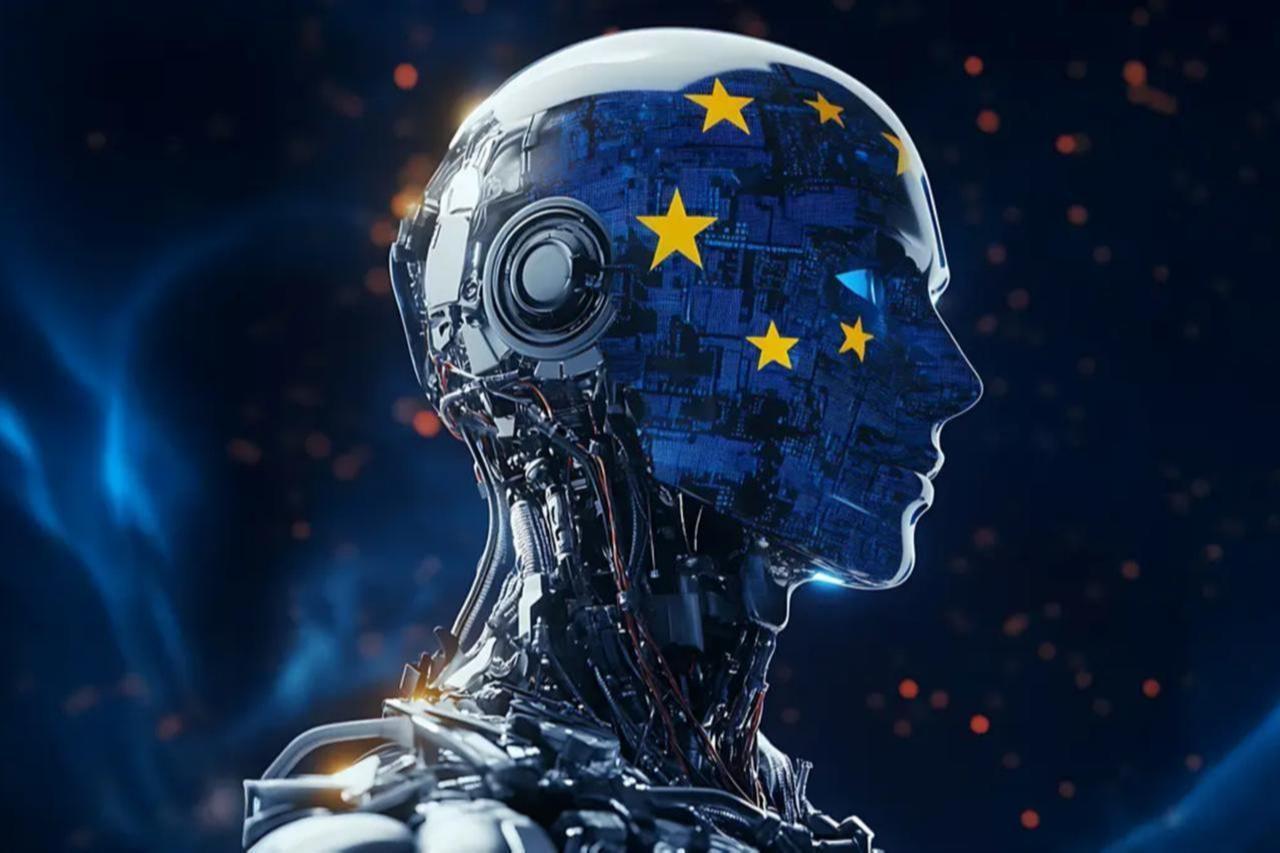

The declaration stressed that the responsible development of AI and the adoption of trustworthy AI systems offer countries unprecedented opportunities to accelerate economic, scientific and social progress.
Pointing out that both the opportunities and the risks posed by AI are global, the declaration said protecting citizens, businesses and institutions, while also fostering an environment conducive to research, innovation and the widespread adoption of these technologies, is a collective responsibility.
Underlining that states and companies cannot manage the risks alone, the declaration said the ongoing efforts of policymakers, researchers and AI companies form a basis for concrete cooperation toward action.

Noting that consensus was reached in three key areas, the declaration highlighted the need for a clear, understandable and predictable regulatory framework, the urgency of achieving concrete results in transparency, incident reporting and risk management, and the absolute necessity of rigorous evaluation standards.
The declaration said the signatories committed to establishing a structured cooperation framework based on three main strategic commitments to put this shared vision into practice.
In this context, they pledged to create a common framework for the evaluation and risk management of advanced AI models, to ensure all actors in the AI ecosystem adhere to the principles of responsibility and accountability, and to develop information sharing and early warning systems.
The declaration comes a week after a suspected cyberattack knocked out refrigeration systems at supermarkets in 11 European countries on Nov. 2.
Stores in Belgium, Sweden, Italy and Romania, among others, reported overnight cooling failures, forcing some retailers to discard spoiled stock. In Estonia, hackers pushed the temperature in one supermarket’s freezers to 50 degrees Celsius (122 degrees Fahrenheit).
EU Food and Agriculture Commissioner Christophe Hansen described the incidents as a deliberate attempt to disrupt the bloc’s food supply chain. Reports linked some of the affected units to control systems from Danish manufacturer Danfoss, the same supplier targeted in an Oct. 12 hack on French retailers.
October also brought a series of breaches at AI platforms and cryptocurrency exchanges worldwide.
Cybersecurity company Wiz dubbed the month “Black October” after at least nine AI development platforms disclosed security incidents. Many of the intrusions aimed to steal credentials that unlock costly AI models, letting criminals tap expensive computing resources or resell access.
Binance lost an estimated $6.3 billion in an Oct. 29 theft, while Japanese video game publisher Capcom reported unauthorized access affecting nearly 11.8 million customer records.
Authorities have not established that the attacks formed a single coordinated campaign or that AI played a role in every case.


 Set as preferred source
 Set as preferred source


 3 min read



 1 min read