Newsletters


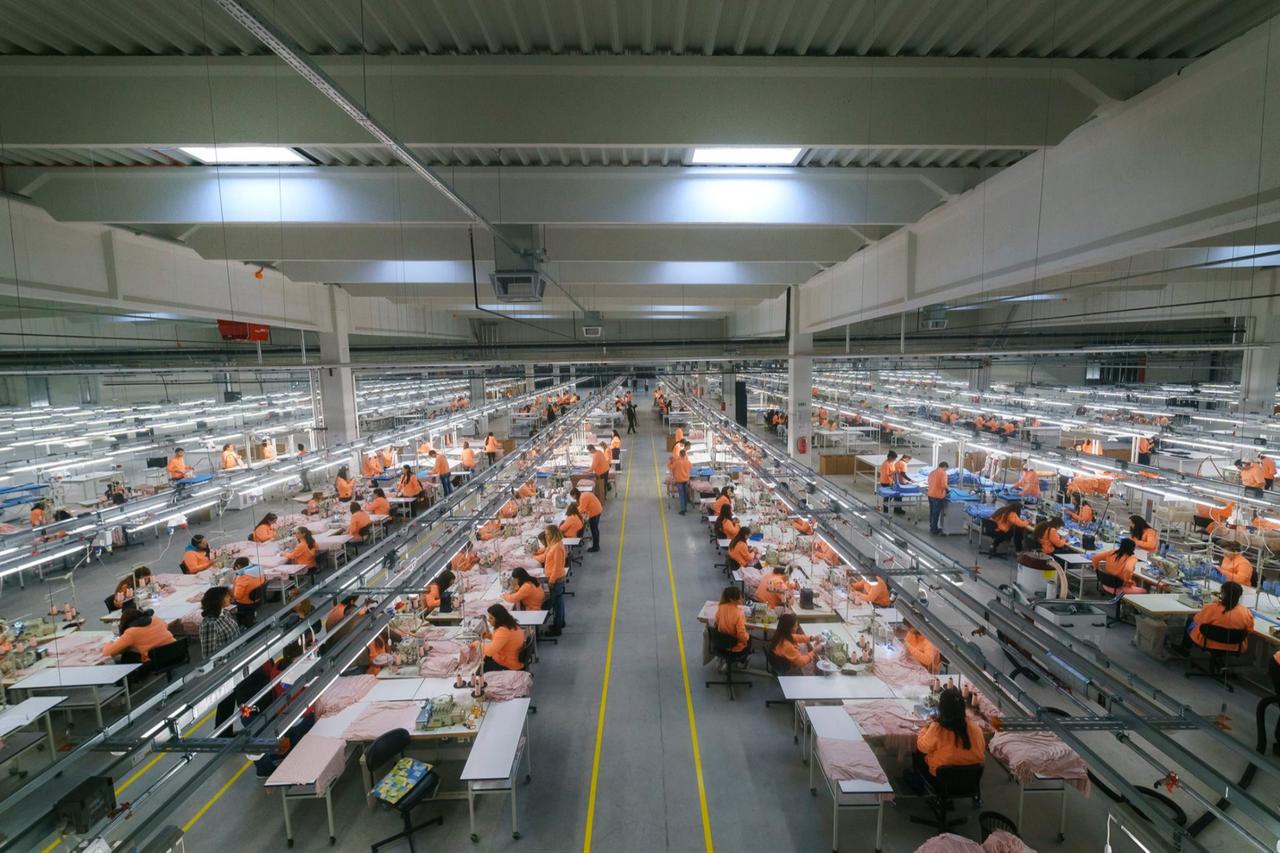


Two Turkish textile manufacturers are shutting down production facilities in Serbia after failing to achieve the ambitious employment and expansion targets they set when entering the market in 2016, putting around 746 jobs at risk.
Aster Tekstil plans to halt production at its factory in Nis, southern Serbia, by Dec. 15, affecting 396 employees, while Kardem's local subsidiary Kaizen has initiated liquidation proceedings at its facility in Smederevo, threatening another 350 jobs.
The two companies entered Serbia with plans to build large-scale manufacturing operations, encouraged by government incentives and expectations of expanding their workforces. A decade later, both are preparing to leave the country after falling well short of their original targets.
Rather than abandon manufacturing altogether, Aster Tekstil plans to transfer production to other facilities within its group outside Serbia. It has also pledged to settle outstanding salaries, severance payments and other employee entitlements in accordance with Serbian law.
The investment began in 2016 with €9 million ($10.1 million), including €2 million in Serbian government subsidies. Aster initially hired 250 workers and later announced plans to expand its workforce to 2,000, but the expansion never materialized.
The 19,250-square-meter facility imports fabrics and accessories from Aster, produces knitted and woven garments, and ships finished products to customers through its own warehouse or transit trade.
Aster's Serbian subsidiary generated $21 million in revenue in 2025 but posted a $1 million loss, up from a $600,000 loss in 2024. Serbian financial records also show that the local entity's operating revenue dropped to 2.25 billion Serbian dinars ($21.5 million) from RSD 3.07 billion a year earlier.
The company has pointed to challenging market conditions and the difficulty of finding a sustainable production model. Its planned withdrawal will allow the group to consolidate manufacturing at facilities elsewhere.
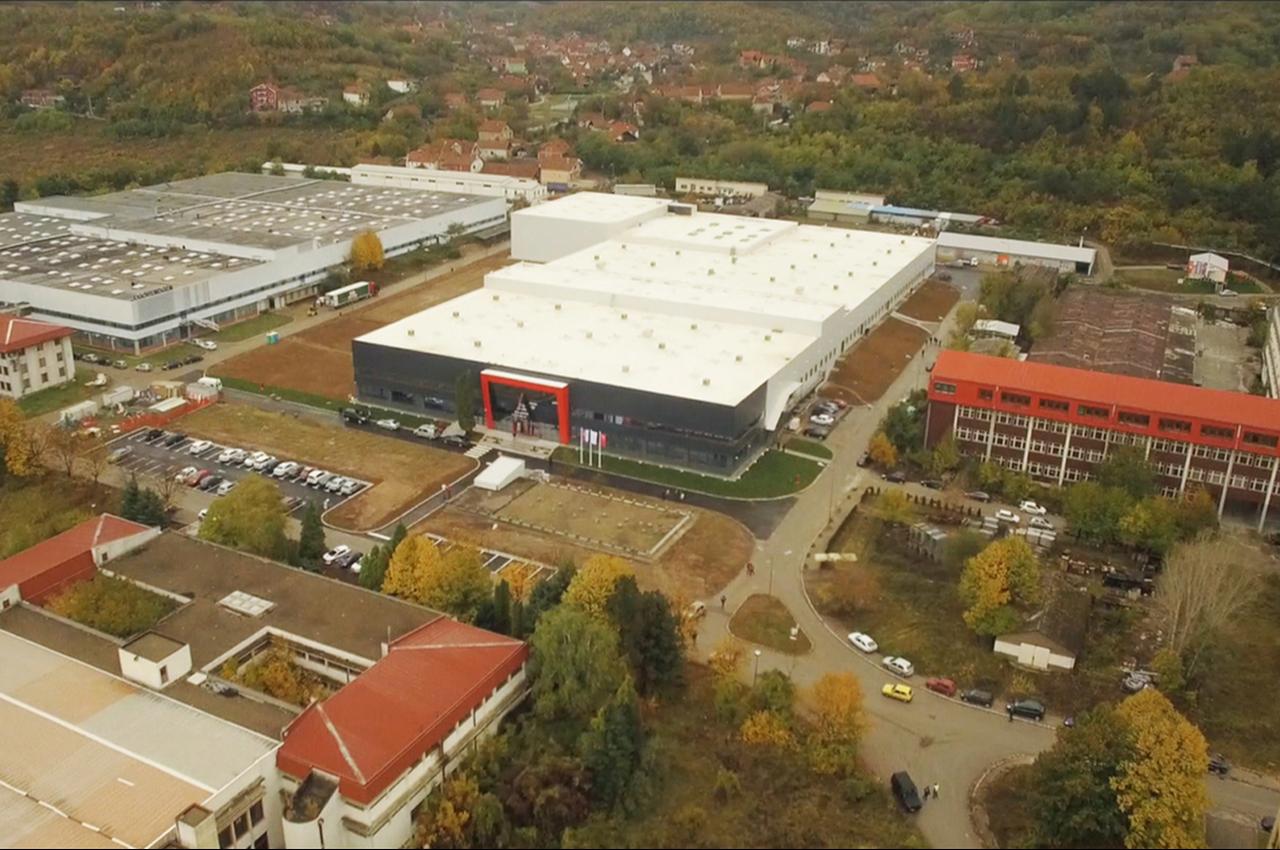

Kaizen began liquidation proceedings on Oct. 21, citing a lack of economic justification for continuing operations, according to filings with Serbia's Business Registers Agency (APR).
Workers were initially placed on four days of paid leave before being called back to sign termination documents. The company has indicated it has sufficient funds to settle outstanding obligations.
Kaizen also started production in Serbia in 2016 with 229 employees and targeted a workforce of 2,500, but never came close to that goal.
In May 2018, workers staged a warning strike over unpaid wages and overtime, alleging they worked 12-14 hours a day, including Saturdays, without proper compensation.
The closure adds to a string of companies exiting manufacturing in Serbia. Geox shut its Vranje factory in 2021, cutting around 1,200 jobs despite receiving €16 million in state subsidies. Turkish textile manufacturer Djinshi closed its Leskovac operations in 2023, affecting approximately 700 workers.
Benetton followed in 2025, shutting its Nis factory and eliminating 950 jobs, while automotive supplier Leoni closed its Malosiste facility, affecting another 1,900 employees.
Rising wages, higher operating expenses, and weaker demand in key European markets are eroding the cost advantages that once made the country attractive to labor-intensive industries.
More than 10 foreign companies that previously received government incentives have closed operations or announced exits since the beginning of 2023, while at least as many have scaled back production, according to figures cited by Serbian public broadcaster RTS.


 Set as preferred source
 Set as preferred source


 1 min read

 1 min read