Newsletters





Turkish banking giants face scrutiny in a sweeping antitrust probe into hiring practices. The investigation covers alleged non-poaching agreements, wage coordination and limits on employee mobility.
One bank has agreed to pay a record ₺1 billion ($21.8 million) fine to settle the case.
The broader investigation, launched on Feb. 24, covers 26 companies operating across banking, participation banking, insurance and information technology sectors.
Regulators are examining whether firms exchanged competitively sensitive information on hiring practices or entered into arrangements that may have restricted labor market competition.
The case centers on alleged labor market violations that regulators increasingly treat as antitrust concerns rather than ordinary employment matters. The allegations include potential efforts to block employee transfers, suppress wages and curb movement between firms.
In its earlier statement when the probe was launched, the Competition Authority said evidence gathered during the preliminary review raised "serious and sufficient concerns" that competition in the labor market may have been limited.
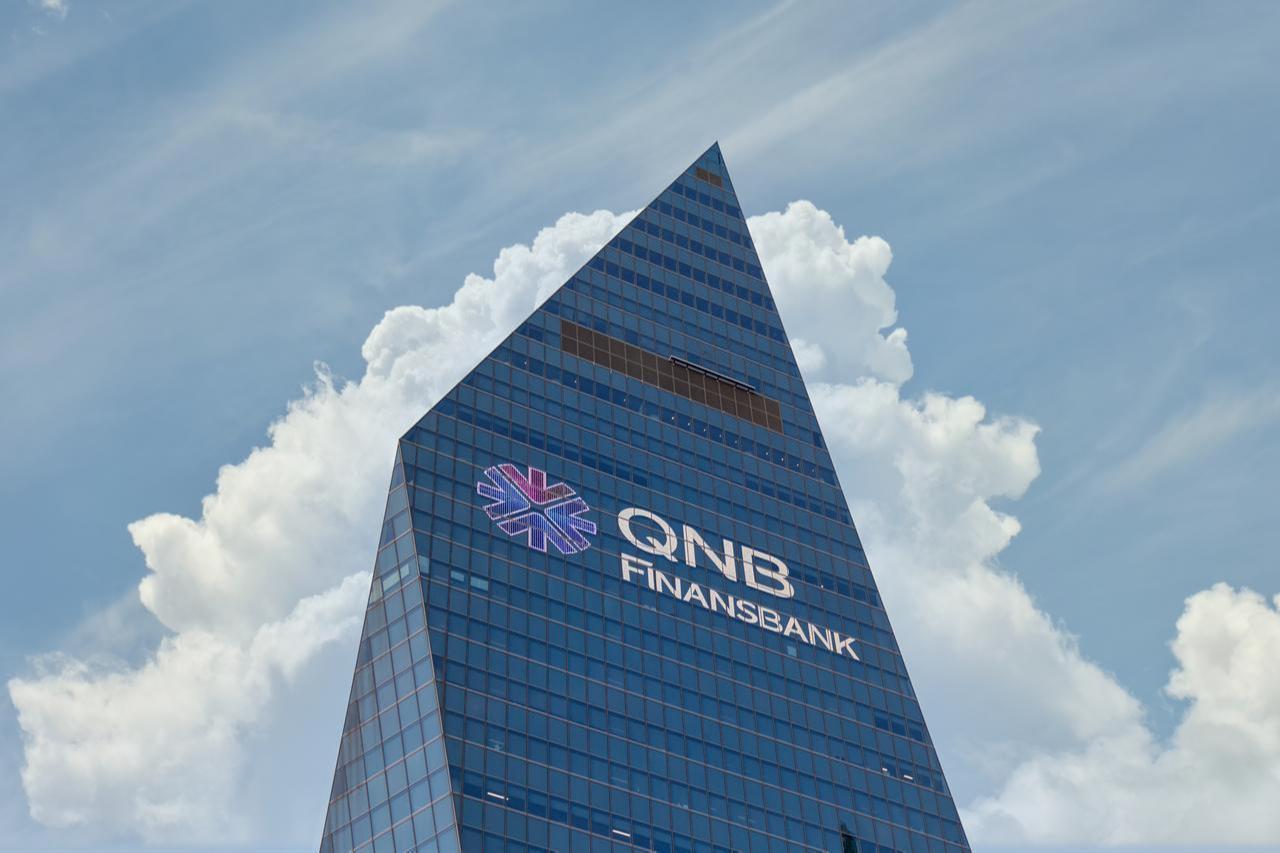
One of Türkiye's largest private banks, QNB Türkiye, disclosed on Tuesday that it had settled with the Competition Board, bringing the investigation against the bank to a close through the reconciliation process.
The lender noted that the penalty could be paid with a 25% discount under Türkiye’s misdemeanor law after the reasoned decision is formally delivered, reducing the payable amount to around ₺755.6 million, equivalent to roughly 1.4% of the ₺53.88 billion annual revenue it recorded in 2025.

The investigation also includes several of Türkiye’s largest financial institutions, among them Akbank, Garanti BBVA, Isbank, Yapi Kredi, DenizBank, HSBC, ING Bank and Turkish Economy Bank, alongside insurers such as Agesa, Aksigorta and Bupa Acibadem.
However, the remaining institutions have yet to disclose any fines or settlement decisions tied to the investigation.
Similar investigations have gained traction globally in recent years as regulators increasingly argue that reduced competition in the labor market can weaken salary growth, narrow career opportunities and limit worker mobility.
Ahead of QNB’s announcement, pressure already built across Türkiye’s banking stocks, with the BIST 100 banking index closing Tuesday down more than 1.4% and the insurance index slipping 2%.


 Set as preferred source
 Set as preferred source


 1 min read

 1 min read