Newsletters




The International Energy Agency (IEA) Executive Director Fatih Birol warned on Tuesday that threats to the Bab el-Mandeb Strait are adding to mounting risks facing global energy markets as conflict in the Middle East disrupts key shipping routes and fuels concerns over oil and gas supplies.
"The escalation in hostilities affecting the Strait of Hormuz and energy infrastructure in the region increases security of supply concerns and uncertainty over the market outlook," Birol said in a written statement. "Threats to the Bab el-Mandeb Strait, which has become increasingly important as a route to bypass the Strait of Hormuz, exacerbate these concerns further."
The warning came a day after Iran-backed Houthis in Yemen announced a maritime embargo on Saudi Arabia in response to a strike that hit Sanaa International Airport last week, adding to fears that instability around the Bab el-Mandeb Strait could further disrupt global energy trade.
Birol stressed that crude oil markets continue to benefit from several factors that have helped cushion the impact of disruptions around the Strait of Hormuz.
He pointed to Gulf producers, particularly Saudi Arabia and the UAE, which have managed to reroute significant volumes of crude through alternative export routes while maintaining some shipments through the strait, helping stabilize global energy markets.
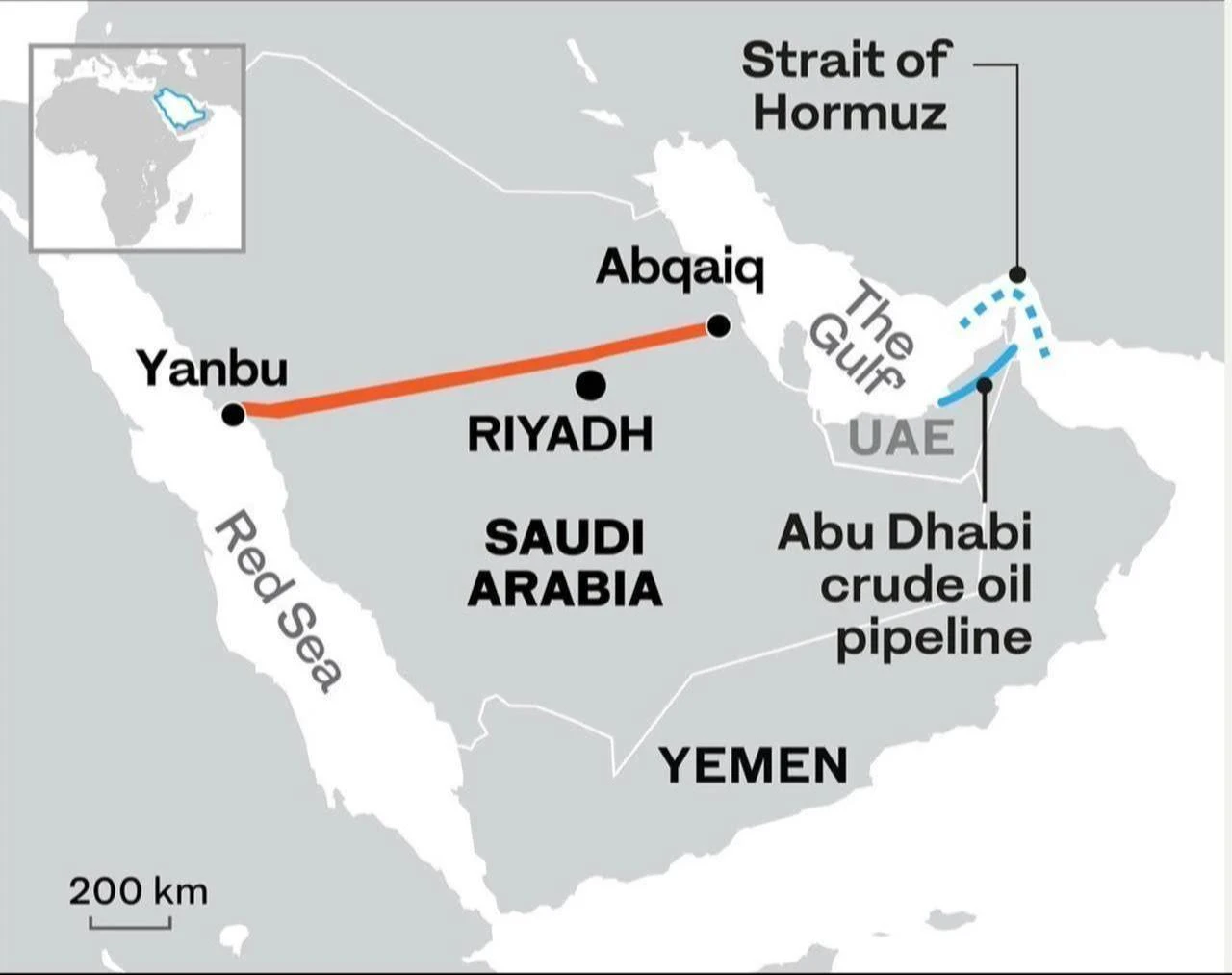
According to the IEA's previous analysis, Saudi Arabia has ramped up shipments through its East-West pipeline to the Red Sea port of Yanbu, with exports rising from about 2 million barrels per day before the conflict to more than 5 million bpd in early June.
Similarly, the UAE has relied on its Abu Dhabi Crude Oil Pipeline to Fujairah, which can carry up to 1.8 million bpd outside the strait.
Birol estimated that Gulf oil exports remain below their late-June peak but are still considerably higher than the levels recorded between early March and mid-June.
He also pointed to increased exports from the U.S., Brazil, Venezuela and Kazakhstan, which have helped offset part of the lost Gulf supply. On the demand side, China has played an important role in stabilizing markets by reducing its crude oil imports by nearly 50% compared with pre-war levels.

Birol said coordinated emergency stock releases by IEA member countries continue to support the market, with around 290 million barrels having been released by IEA Member countries from 400 million barrels of oil available since March 11. He added that IEA members still hold more than 1 billion barrels of government-controlled emergency oil stocks in reserve.
Despite the safeguards, Birol warned that global oil markets remain vulnerable as commercial inventories continue to decline, with refinery activity failing to keep pace with crude deliveries.
"There is no room for complacency on oil security amid the escalation in hostilities and a continued drawdown of available commercial inventories," he said. "Refinery activity and product supplies have not picked up as much as crude deliveries, meaning that markets for refined oil products, including diesel and gasoline, are considerably tighter than those for crude."
Turning to natural gas, increased LNG shipments from the United States and Canada have replaced around 70% of the supply lost through the Strait of Hormuz. However, prolonged disruptions to Gulf exports could keep energy markets tight for longer, particularly for LNG importers in Europe as they replenish gas storage ahead of winter.
"Further delays in resuming Gulf exports risk keeping markets tighter for longer," Birol said. "The impact would be felt by LNG importers around the world, including Europe as it works to replenish gas storage ahead of next winter," he added.
A full and unconditional reopening of the Strait of Hormuz remains essential to prevent a further deterioration in global energy security, he said. "A resolution to the ongoing conflict that includes a full and unconditional reopening of the Strait of Hormuz will be essential to avoid a further deterioration in global energy security."


 Set as preferred source
 Set as preferred source


 1 min read

 1 min read