Newsletters





Spanish lender BBVA’s research unit kept its 2026 growth forecast for Türkiye unchanged at 4%, despite mounting risks linked to the Iran conflict, while warning that higher energy prices could fuel additional inflationary pressure.
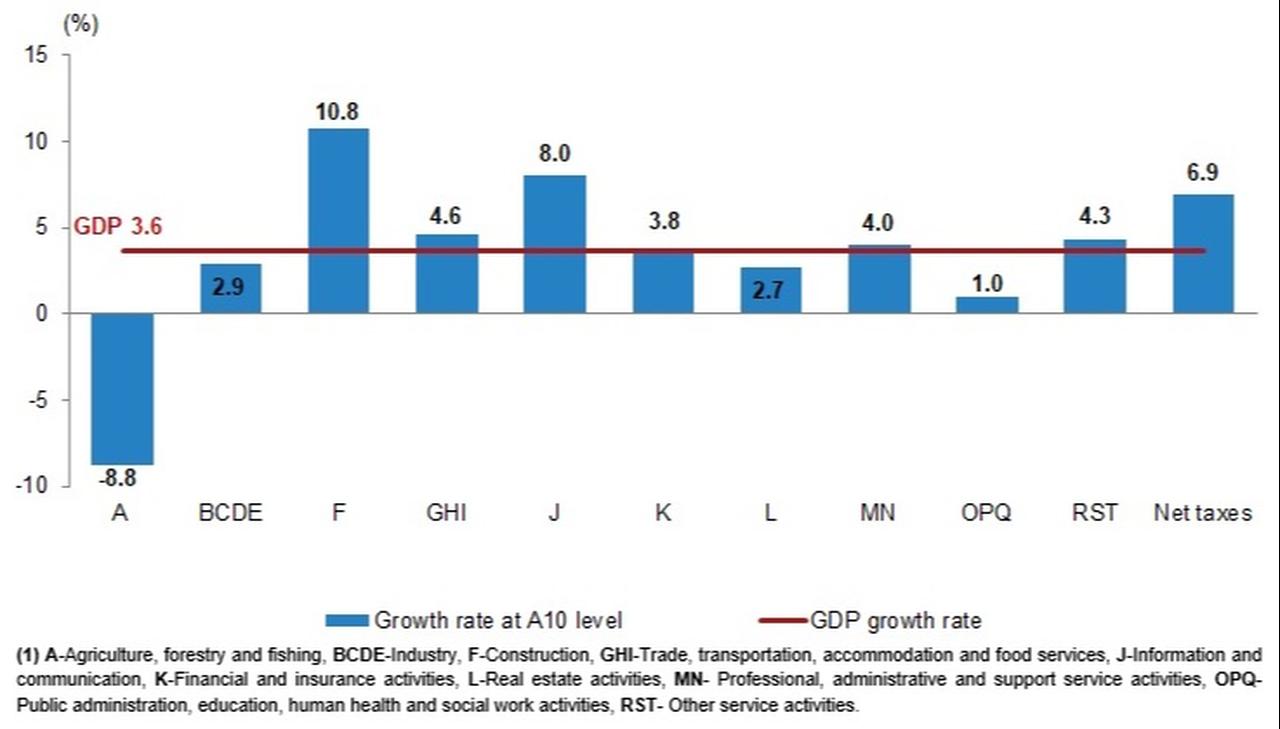
In its report assessing Türkiye’s 2025 annual Gross Domestic Product (GDP) growth, which was recorded at 3.6%, BBVA said the figure came in slightly below its earlier 3.7% projection but continued to signal resilience in economic activity.
On the production side, industrial activity contracted in the final quarter, services remained largely flat and construction lost momentum. Agriculture, after shrinking sharply in the first three quarters, posted a technical rebound in the last quarter of the year, according to the report.
For 2025 overall, services were the main contributor to growth, the report highlighted, while agriculture made a negative contribution. BBVA’s monthly GDP indicator now points to 3% year-on-year growth in the first quarter of 2026, implying quarter-on-quarter growth of around 0.7% following the 0.4% expansion recorded in the fourth quarter of 2025.
Throughout 2025, domestic demand excluding inventories made a significant contribution to growth, whereas external demand weighed negatively. The bank said the imbalance between supply and demand persisted, with the output gap hovering around neutral levels.

Looking at regional tensions, BBVA said uncertainty surrounding the conflict in Iran posed downside risks to economic activity, trade flows and the current account balance, while also creating upside risks for inflation.
As a net energy importer, Türkiye remains sensitive to oil price movements. However, the bank noted that a substantial share of energy imports is secured under medium- and long-term contracts, providing partial protection against short-term price spikes.
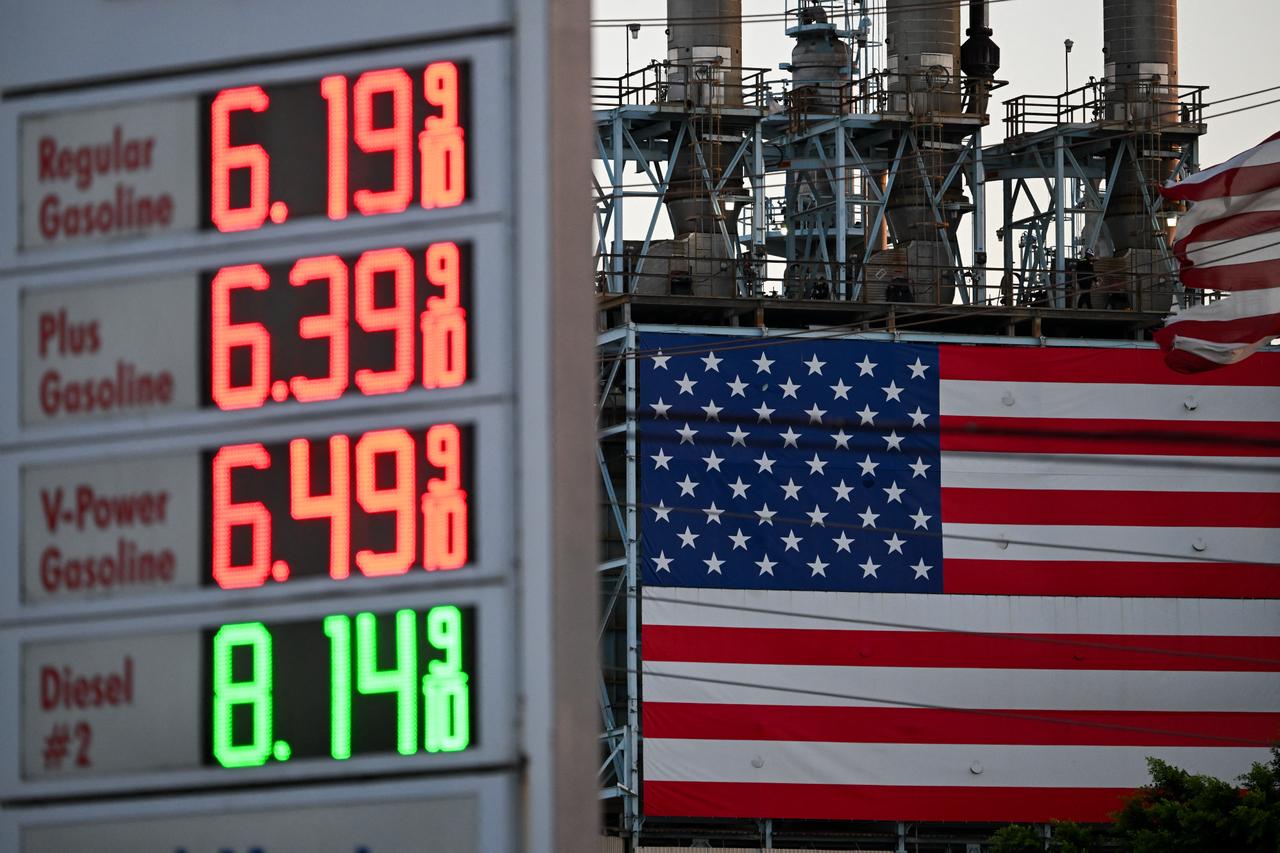
BBVA calculated that a permanent $10 increase in oil prices could add between 0.2 and 0.8 percentage points to annual headline inflation over a 6–12 month period, depending on exchange rate pass-through.
Temporary price spikes lasting only a few weeks would likely have limited macroeconomic impact, it said, but persistently higher oil prices would gradually feed into the import bill. The report added that unless geopolitical tensions ease significantly, the likelihood of a rate cut at the Mar. 12 Monetary Policy Committee (MPC) meeting has weakened.
If the conflict continues, policymakers could opt for tight liquidity management and macroprudential measures instead of raising rates, delaying a return to the previous easing path and keeping pressure on Turkish assets, it noted.


 Set as preferred source
 Set as preferred source


 2 min read

 1 min read