Newsletters


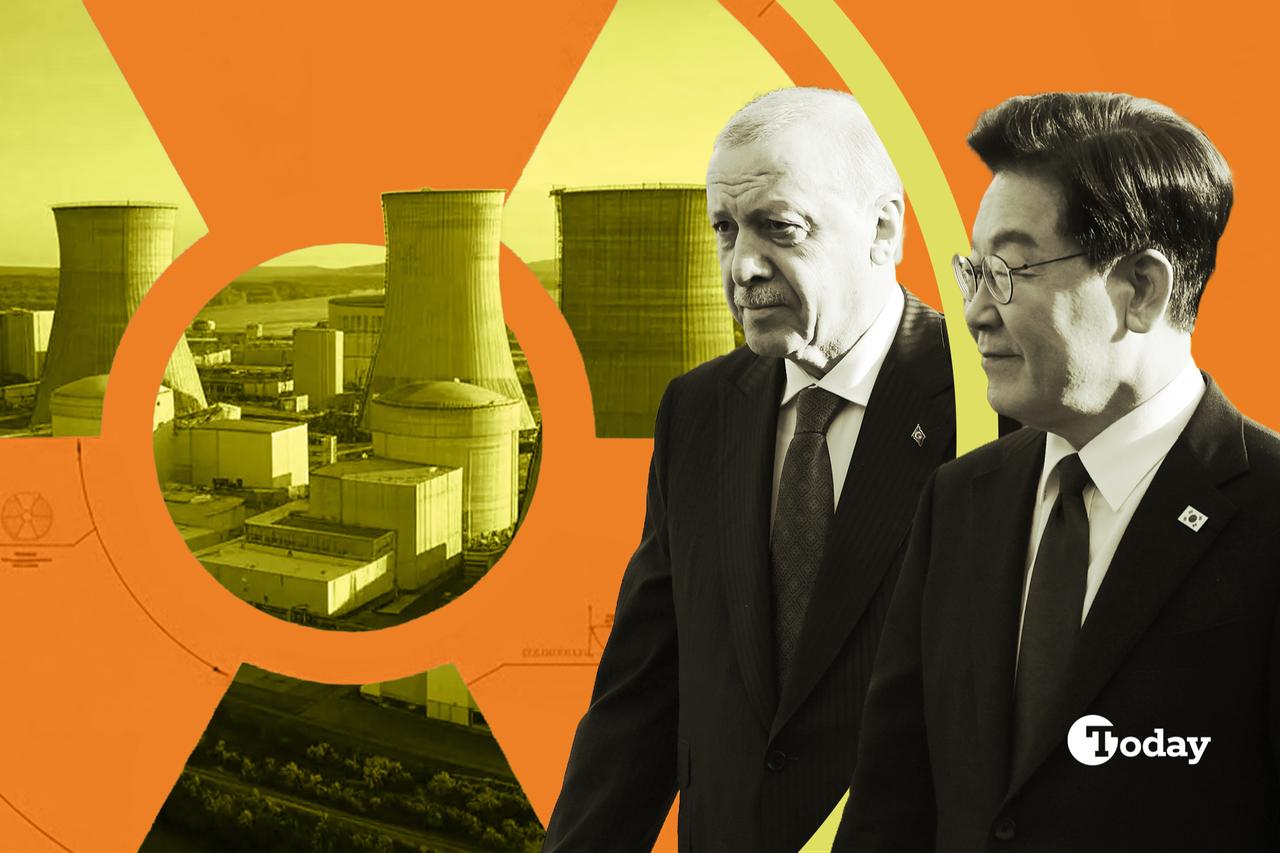


After more than a decade of negotiations, Ankara and Seoul have taken another step toward a nuclear partnership that could reshape their economic ties for generations. But can Türkiye secure a deal that delivers more than electricity?
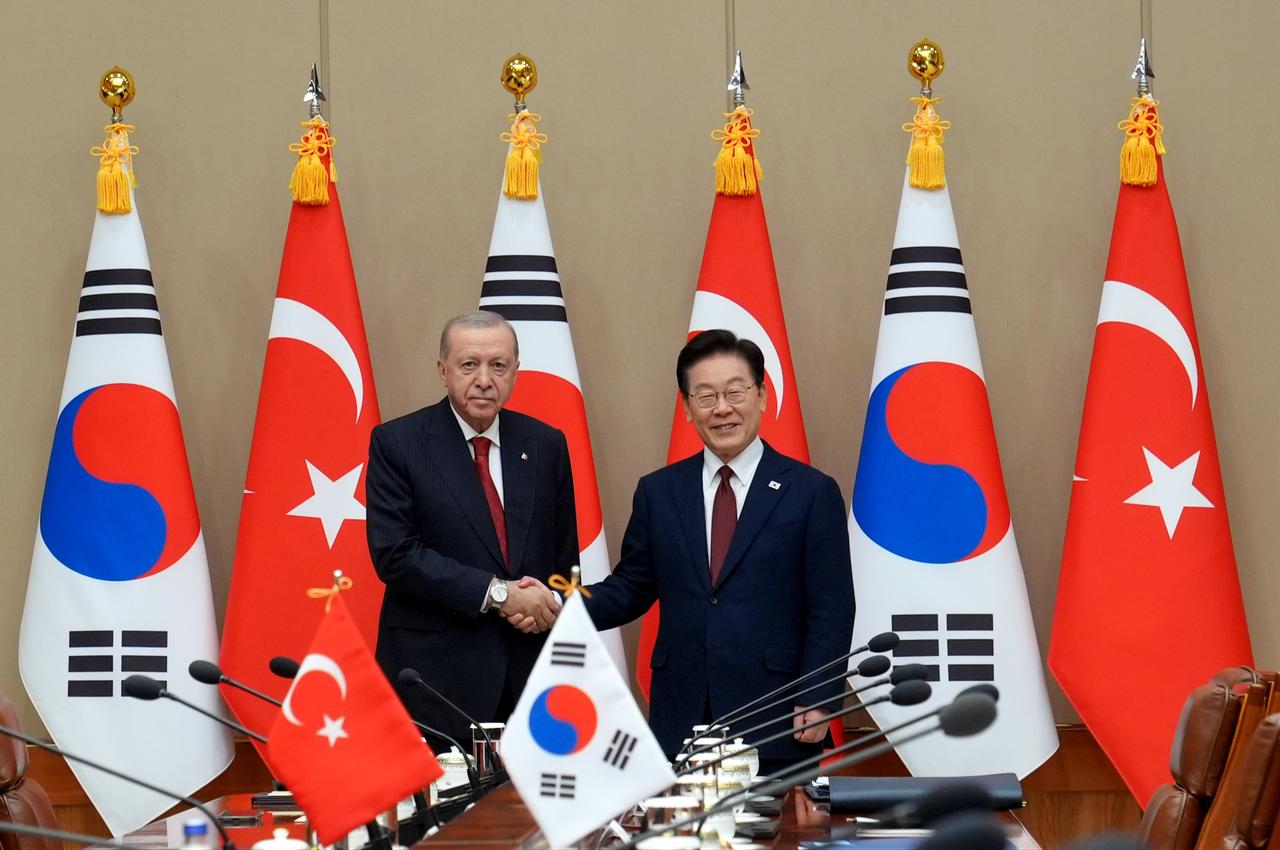
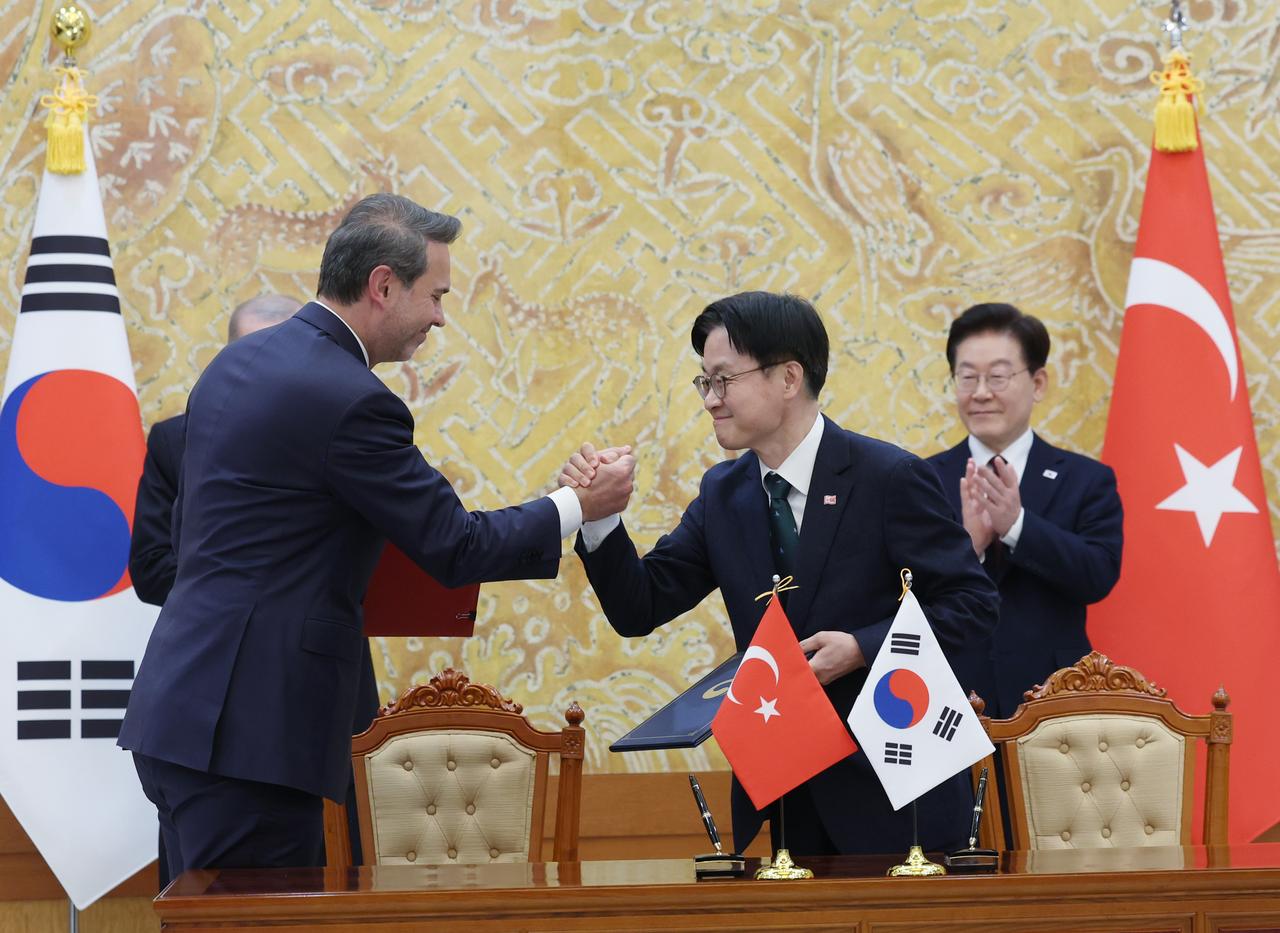
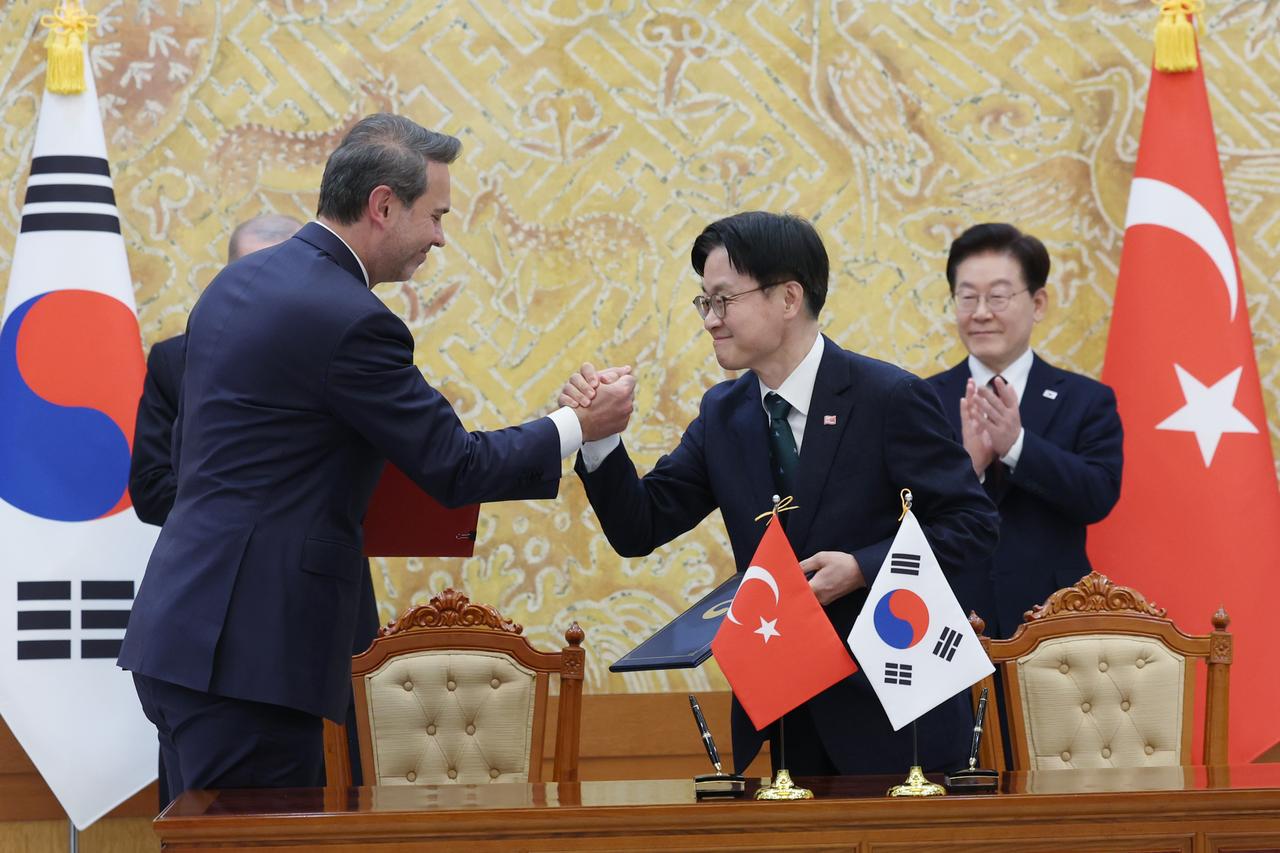
When Turkish President Recep Tayyip Erdogan met South Korean President Lee Jae Myung in Seoul on Nov. 3, the two leaders witnessed the signing of four memoranda of understanding spanning energy, nuclear power financing, mining, and science and technology.
Among them, one stood out. A nuclear financing agreement between Türkiye Nuclear Energy Inc. (TUNAS) and the Export-Import Bank of Korea (KEXIM) revived a possibility Ankara and Seoul have discussed for more than a decade: South Korean involvement in Türkiye's next nuclear power plant.
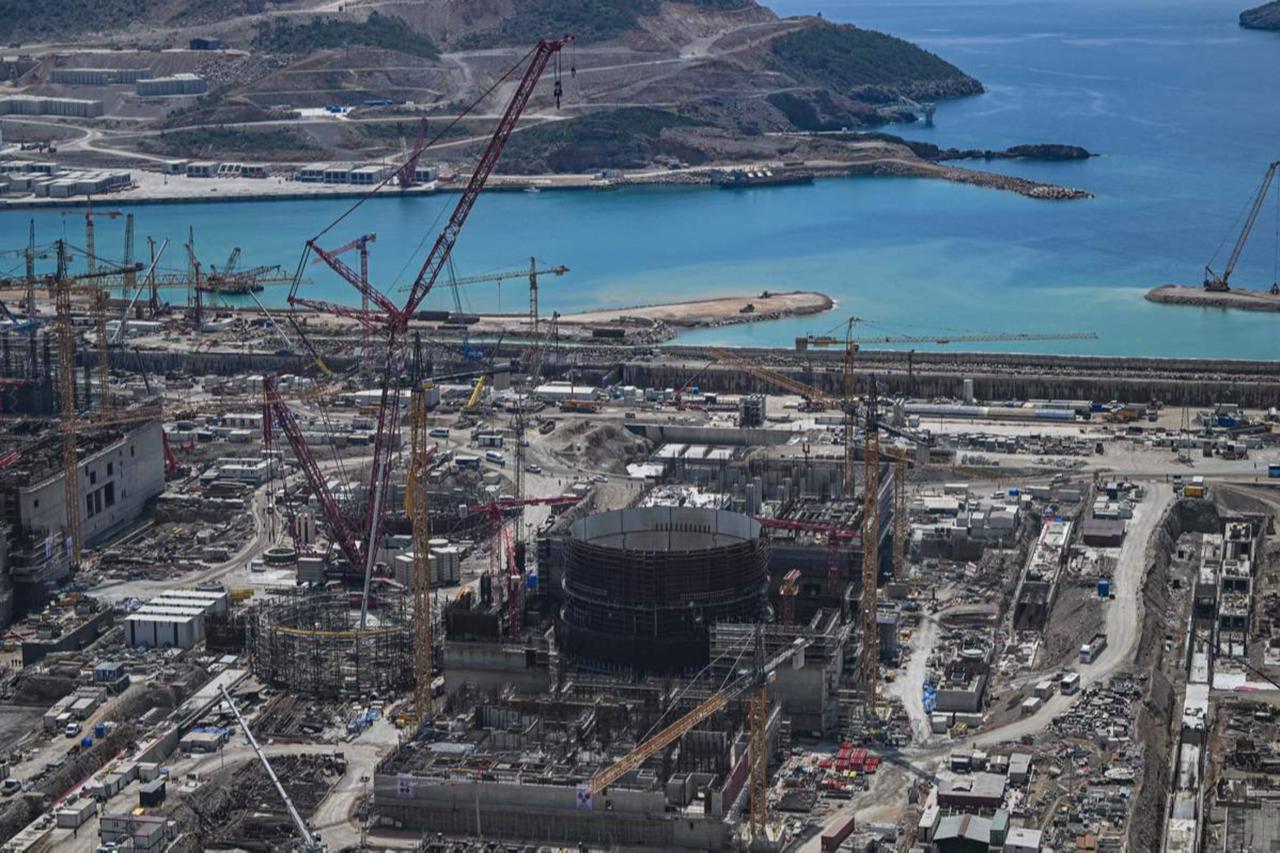
Türkiye already has Akkuyu, the nuclear power plant being developed by Russia's Rosatom on its Mediterranean coast. With another plant planned in Sinop and additional reactors envisioned in Thrace, Ankara is seeking new international partners.
For South Korea, which has successfully exported nuclear technology to the United Arab Emirates, Türkiye represents another potentially lucrative market.
But could the Seoul agreement finally transform years of negotiations into a partnership comparable to Akkuyu?

Selcuk Colakoglu, a faculty member in the Globalization and Development Program and Associate Head of the Department of Social Sciences at Beijing Normal–Hong Kong Baptist University (BNBU) in Zhuhai, China, traces the nuclear discussions back to 2010.
Since then, the two countries have explored building a nuclear power plant together, although competing proposals and delays have complicated earlier efforts.
The latest memorandum, Colakoglu told Türkiye Today, represents "a concrete step toward potential South Korean involvement in the project," one that could deepen the economic relationship between two strategic partners.
The negotiations have recently gathered momentum.
During Lee's visit to Türkiye in November 2025, TUNAS and Korea Electric Power Corporation (KEPCO) signed a memorandum covering nuclear cooperation and project development. The agreement signed during Erdogan's return visit now brings financing into focus.
Yet Robert Lawrence, assistant professor at Seoul’s Dongduk Women’s University whose research focuses on energy security and Turkish studies, cautioned against declaring a breakthrough too early.
"I'm not sure that I would call it a breakthrough, yet," Lawrence told Türkiye Today.
Memoranda of understanding, he explained, demonstrate mutual intentions without creating binding commitments.
The latest agreement establishes a framework for financial modeling, analysis and potential financing structures, with TUNAS and KEXIM planning regular exchanges through a joint working group.
"A more concrete commitment from both parties is necessary to more clearly indicate a breakthrough in nuclear cooperation," Lawrence said.
South Korea may be moving closer to Sinop, but the project has not yet been awarded.
South Korea's interest becomes clearer when considering the extraordinary lifespan of nuclear investments.
Unlike conventional infrastructure projects, nuclear plants can generate commercial relationships spanning generations, with operational and maintenance contracts continuing long after construction ends.
"These contracts aren't just the tens of billions to build," Lawrence explained, noting that operational and support agreements can themselves be worth tens of billions of dollars over several decades.
He pointed to South Korea's experience with the Barakah Nuclear Energy Plant in the United Arab Emirates, where all four Korean-built reactors became commercially operational by September 2024.
"Korea wants to give opportunities to its companies while expanding its global nuclear footprint," Lawrence said.
Building on Barakah's success, South Korea could secure decades of economic cooperation with Turkish institutions through a contract for Sinop.
For Türkiye, however, Akkuyu offers both a precedent and a question worth examining.
The Russian-developed plant demonstrates how nuclear infrastructure can become a pillar of bilateral relations. But it also highlights the long-term consequences of choosing an international partner.
South Korean participation could help Ankara diversify its nuclear partnerships. The challenge is ensuring that diversification also delivers domestic expertise, favorable financing and meaningful industrial participation.
And that is where the latest agreement becomes particularly important.
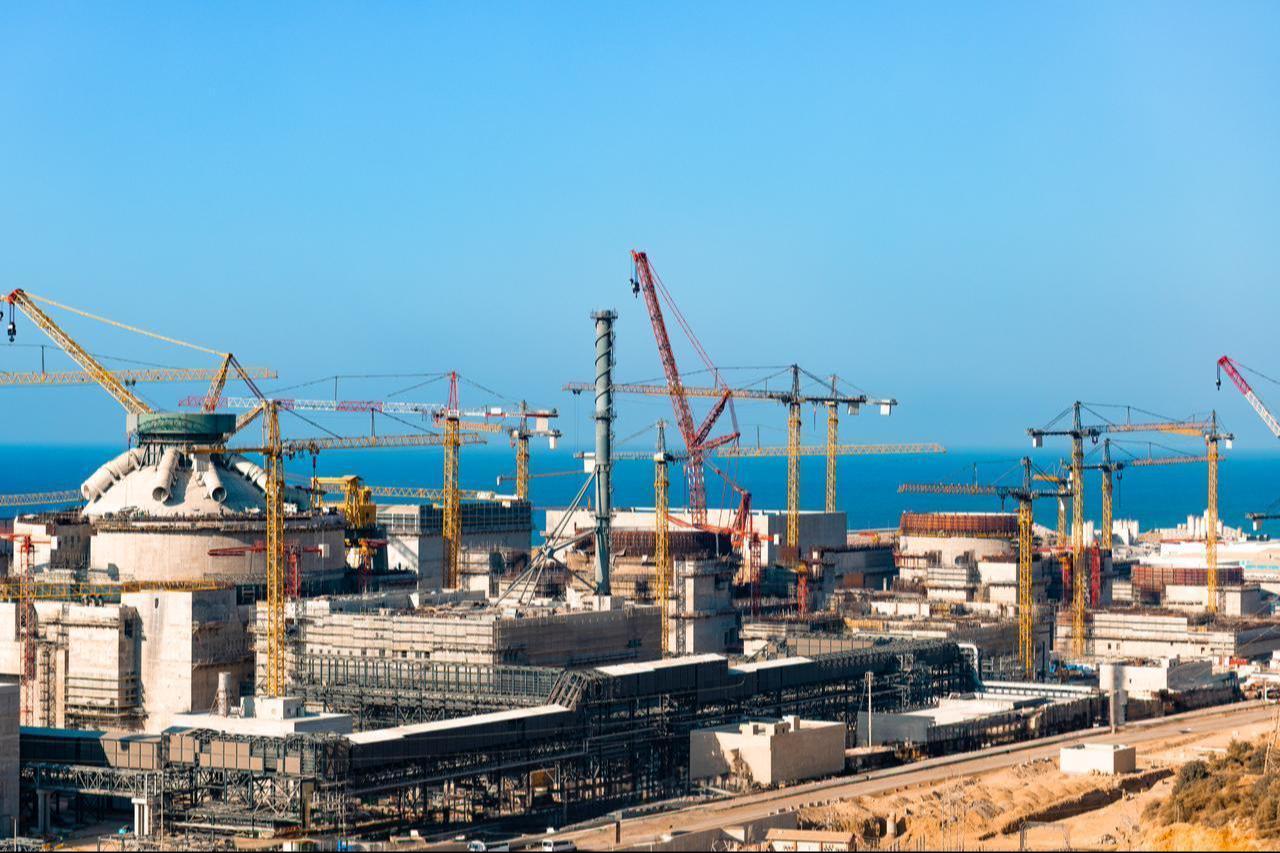
For all the attention devoted to reactor technology, the most consequential negotiations may take place around the financing table.
"The messaging indicates that Türkiye is going to be patient in securing the best deal," Lawrence said, suggesting both sides need more time to settle the details.
President Erdogan also indicated ahead of the summit that decisions concerning Sinop would depend on technical and economic assessments, including financing, electricity generation costs and benefits to Türkiye's economy.
A competitive financing arrangement could make a multibillion-dollar project viable. But its long-term value will also depend on the obligations Türkiye assumes and the industrial opportunities the project creates.
In that sense, the financial framework is not merely another diplomatic formality. It could determine whether the proposed partnership becomes commercially feasible.
Lawrence believes Türkiye's manufacturing capabilities and geographical advantages remain underappreciated, particularly its proximity to major markets and its Customs Union with the European Union.
"Korea's high-tech expertise and Türkiye's export capacity and ambitions are complementary," he said.
He identified opportunities in advanced manufacturing, semiconductors, artificial intelligence and other knowledge-intensive industries.
Although these sectors fall outside the nuclear memorandum, they illustrate how a successful energy partnership could open doors to wider industrial and technological cooperation.
There is also a strategic dimension.
Türkiye and South Korea share historical ties dating to the Korean War, although their contemporary security challenges differ considerably.
Colakoglu noted that Ankara supports Seoul diplomatically on Korean Peninsula issues and hopes for an eventual normalization of relations between North and South Korea.
Lawrence, however, sees limited scope for Türkiye to mediate tensions, given its restricted diplomatic engagement with Pyongyang. Nevertheless, he suggested Ankara could demonstrate solidarity by "accelerating bilateral cooperation across multiple sectors."
A nuclear partnership could provide exactly that kind of enduring cooperation, strengthening the relationship through shared economic and strategic interests.
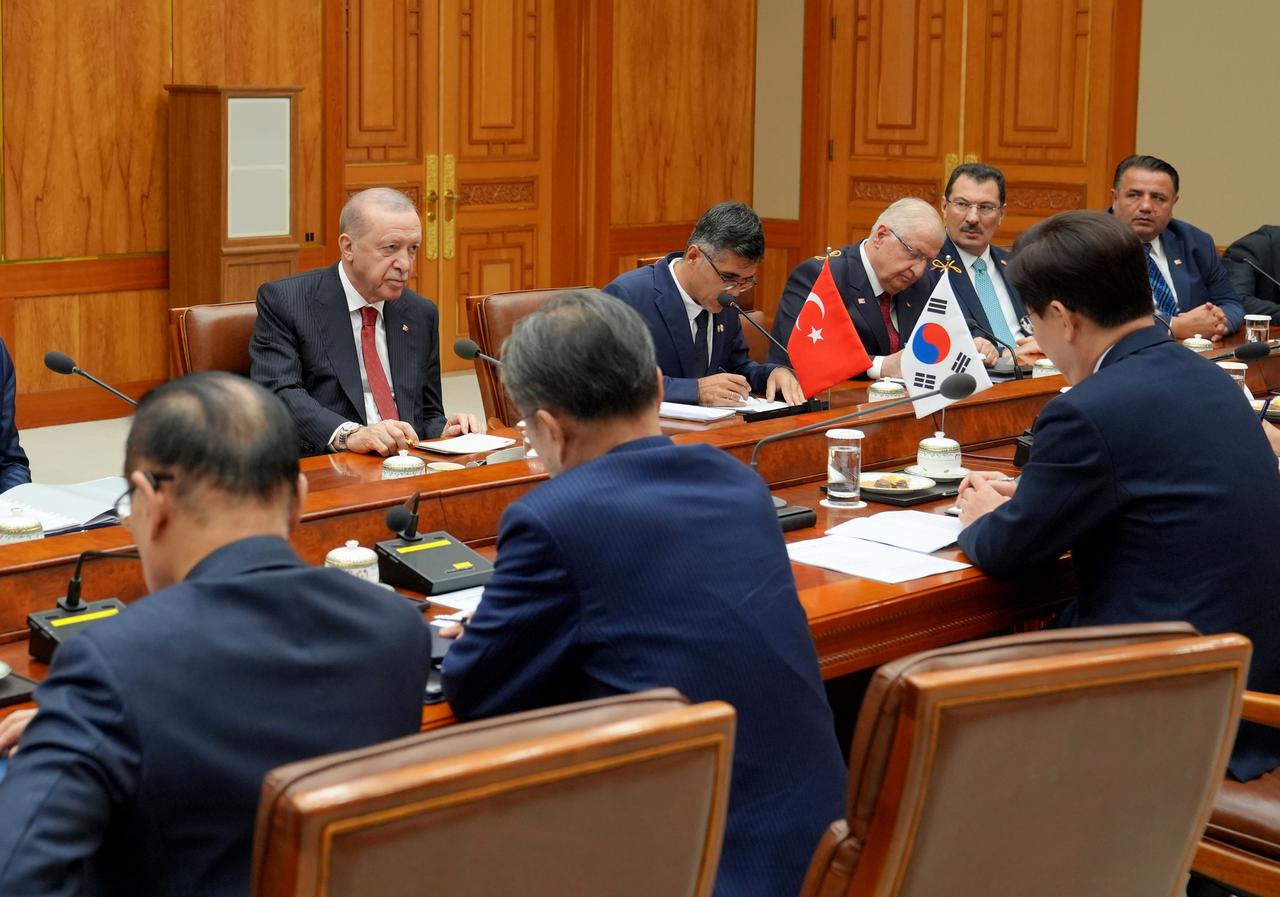
The Nov. 3 memorandum has not settled who will build Sinop or resolved its financing and technological arrangements. But it has moved a longstanding conversation toward the practical decisions on which nuclear projects depend.
Colakoglu sees an opportunity to deepen a strategic economic relationship, while Lawrence emphasizes that the real breakthrough still requires concrete commitments.
Akkuyu has already demonstrated how one nuclear project can shape Türkiye's relationship with a major international partner.
Sinop could become something equally consequential, but perhaps on different terms.


 Set as preferred source
 Set as preferred source


 2 min read
 1 min read