Newsletters


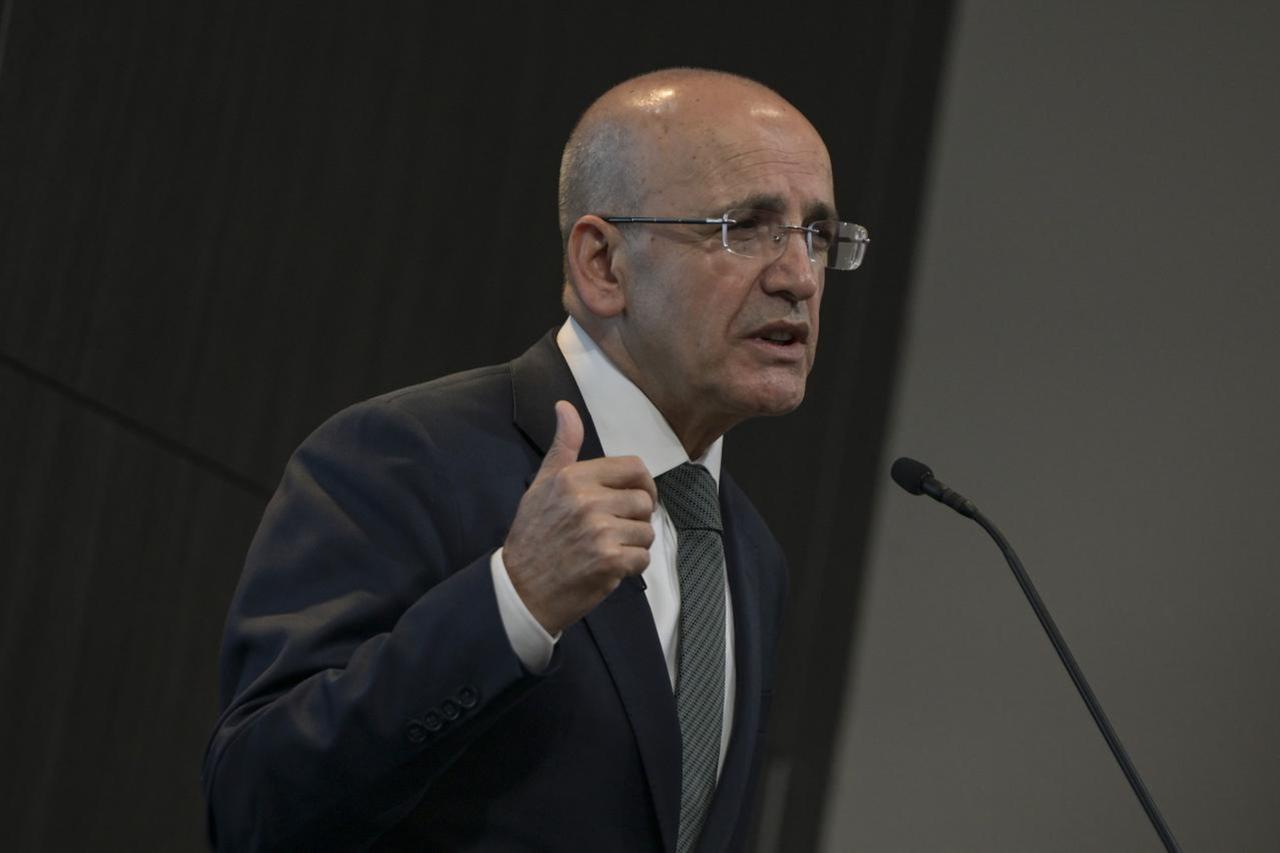


Rising oil prices triggered by the Iran conflict are emerging as the main pressure point for Türkiye’s external balances, with Finance Minister Mehmet Simsek saying the current account is his primary concern as the shock unfolds.
Speaking late Monday, Simsek said the conflict is hitting the Strait of Hormuz, where nearly 20% of global oil supply flows, driving sharp increases in fuel costs and raising risks to inflation and trade. He stressed that the impact of the conflict will become more visible in the coming months, particularly through energy imports.
"If you ask which aspect of the program worries me most, I would say the current account for now," Simsek said. "But I believe it will remain manageable."
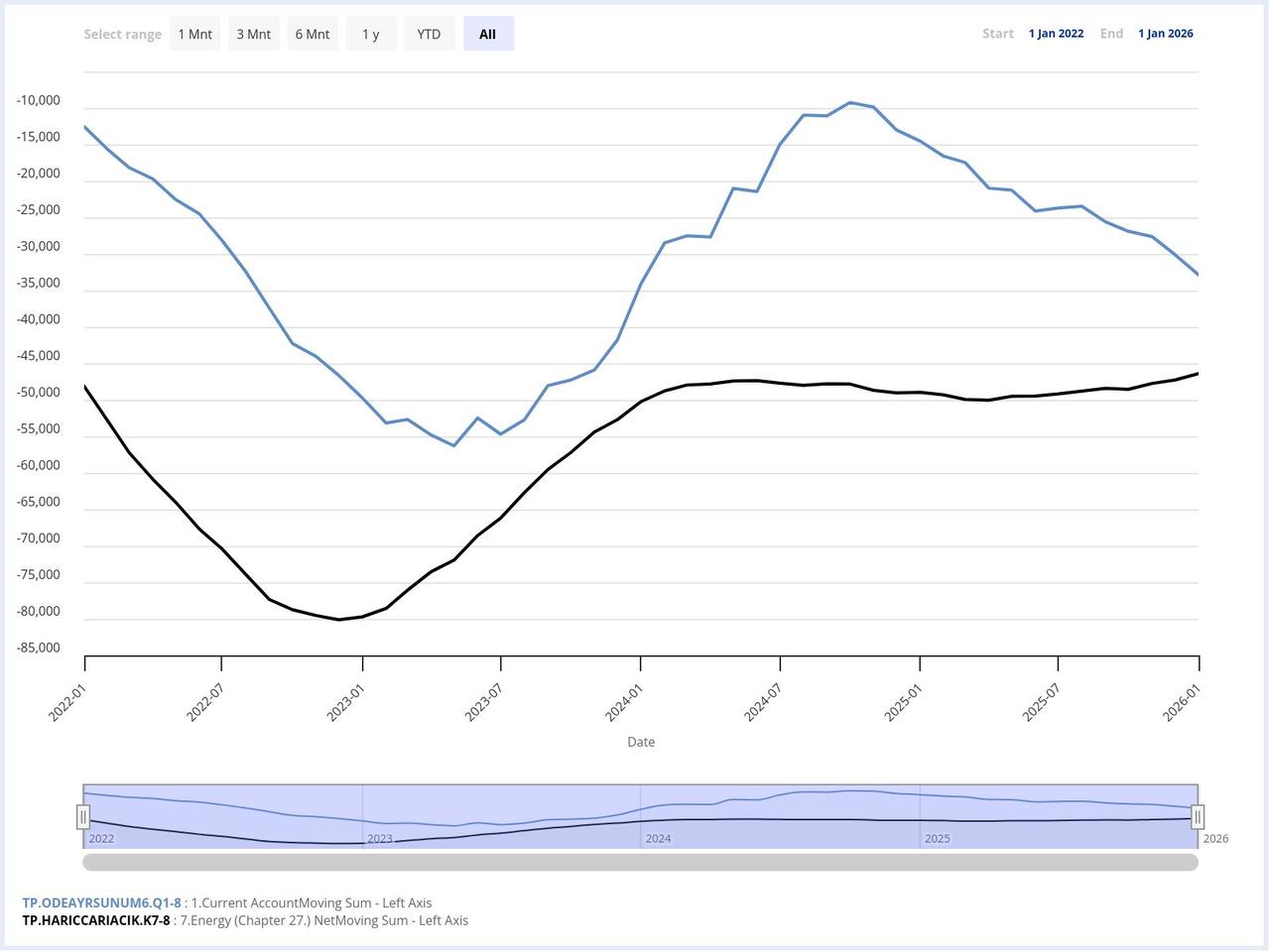
As of January, Türkiye’s current account deficit stood at $32.8 billion, while the net energy deficit reached $46.4 billion. Inflation rose to 31.5% in February, driven by volatility in food prices after severe weather damaged crops.
Simsek noted that Brent crude prices have increased by more than 40% compared to pre-conflict levels, while natural gas prices in Europe have risen over 56% and jet fuel costs have climbed close to 100%, due to disruptions in the Red Sea and the Strait of Hormuz, which have extended shipping times between Asia and Europe and added strain to supply chains. "If oil price increases become permanent, they could significantly affect global inflation," he warned.
However, he highlighted that the Turkish authorities moved quickly after the conflict erupted, assessing multiple scenarios and rolling out measures to contain market volatility.
Since the beginning of the conflict, Türkiye has imposed a short-selling ban on Borsa Istanbul, suspended one-week repo auctions to push funding costs up to 40% from 37%, and reintroduced the escalator system—a mechanism that adjusts fuel taxes in response to global oil price movements to cushion their impact on domestic prices.
The government’s economic program has strengthened resilience against external shocks, and additional measures can be taken if needed, Simsek added.

Separately, international credit rating agency Fitch Ratings said in an assessment on Tuesday that risks to Türkiye’s sovereign and banking sector remain contained under a baseline scenario in which disruptions are short-lived.
The agency cited foreign-exchange reserves and a tight monetary policy stance as key buffers, while warning that a prolonged conflict or sustained high oil prices could increase pressure on inflation and the current account deficit.
Fitch also said central bank interventions to stabilize the lira in March have exceeded $20 billion. Despite uncertainties, the agency added that banks’ liquidity and capital buffers remain adequate to absorb moderate shocks.
Despite these risks, the agency expects monetary policy to remain tight and projects inflation to fall to 25% by the end of 2026, supported by a policy rate of 29.5%.


 Set as preferred source
 Set as preferred source


 1 min read
 1 min read