Sign in
 Newsletters


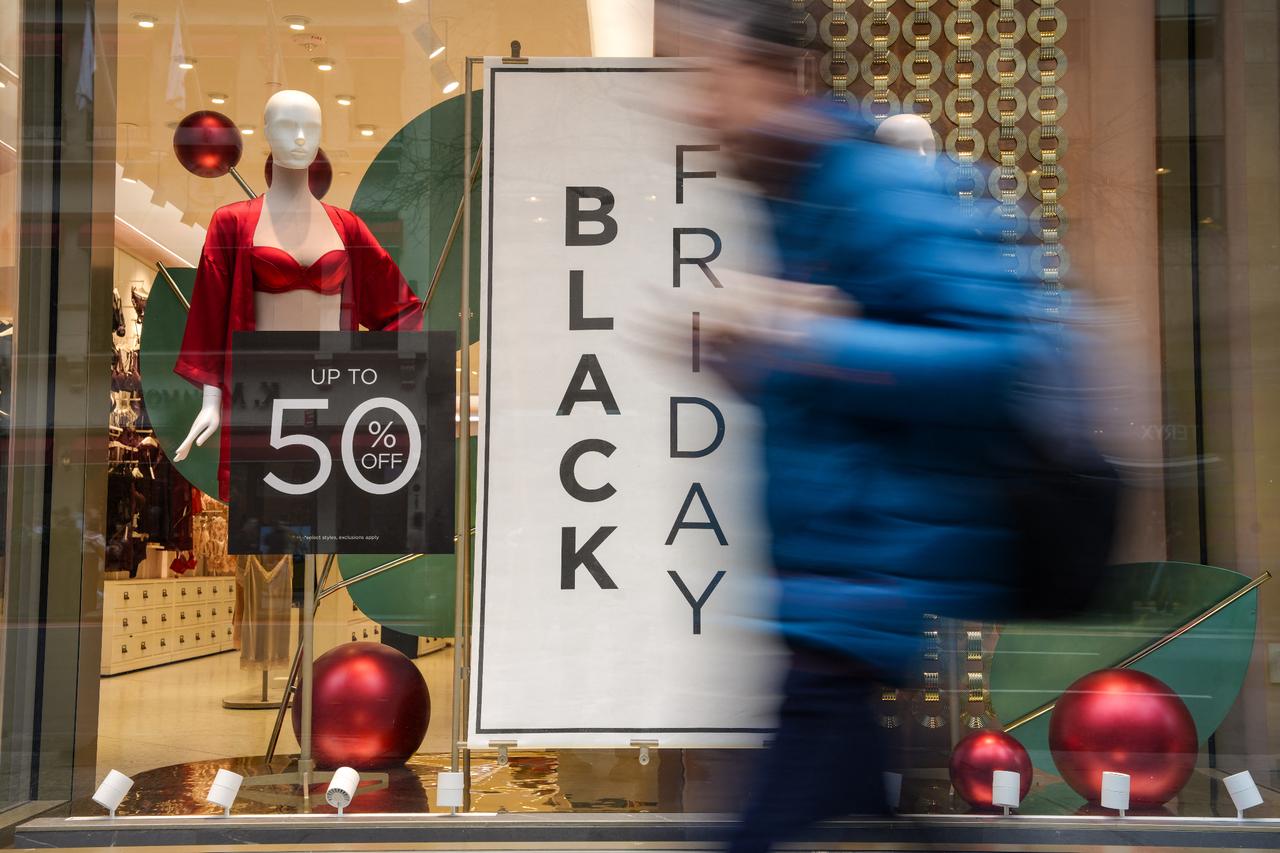


U.S. consumers spent a record amount online on Black Friday, Nov. 27, while fewer people visited physical stores on the year's busiest day, according to preliminary figures released Saturday.
Retail sales in stores and online rose 5.8% from last year's Black Friday, excluding gasoline and automobiles, according to Mastercard SpendingPulse, which tracks all payment types, including cash. The figures are not inflation-adjusted.
Adobe Analytics, which tracks e-commerce, said U.S. online sales reached $13.1 billion, up 11% year over year and above its forecast.
Higher prices did not account for all of the sales growth, even as the Iran war pushed up the cost of gasoline and some consumer goods, the Associated Press (AP) reported. Salesforce data showed that Black Friday orders rose 5% from last year.
Worldwide online sales also increased 5% to a record $82.7 billion, including $19.1 billion in the United States, according to Salesforce.
Different data sets may explain the gap between Salesforce's U.S. figures and Adobe's. Salesforce draws on global shopping data from more than 1.5 billion consumers, while Adobe bases its figures on more than 1 trillion visits to U.S. retail websites.
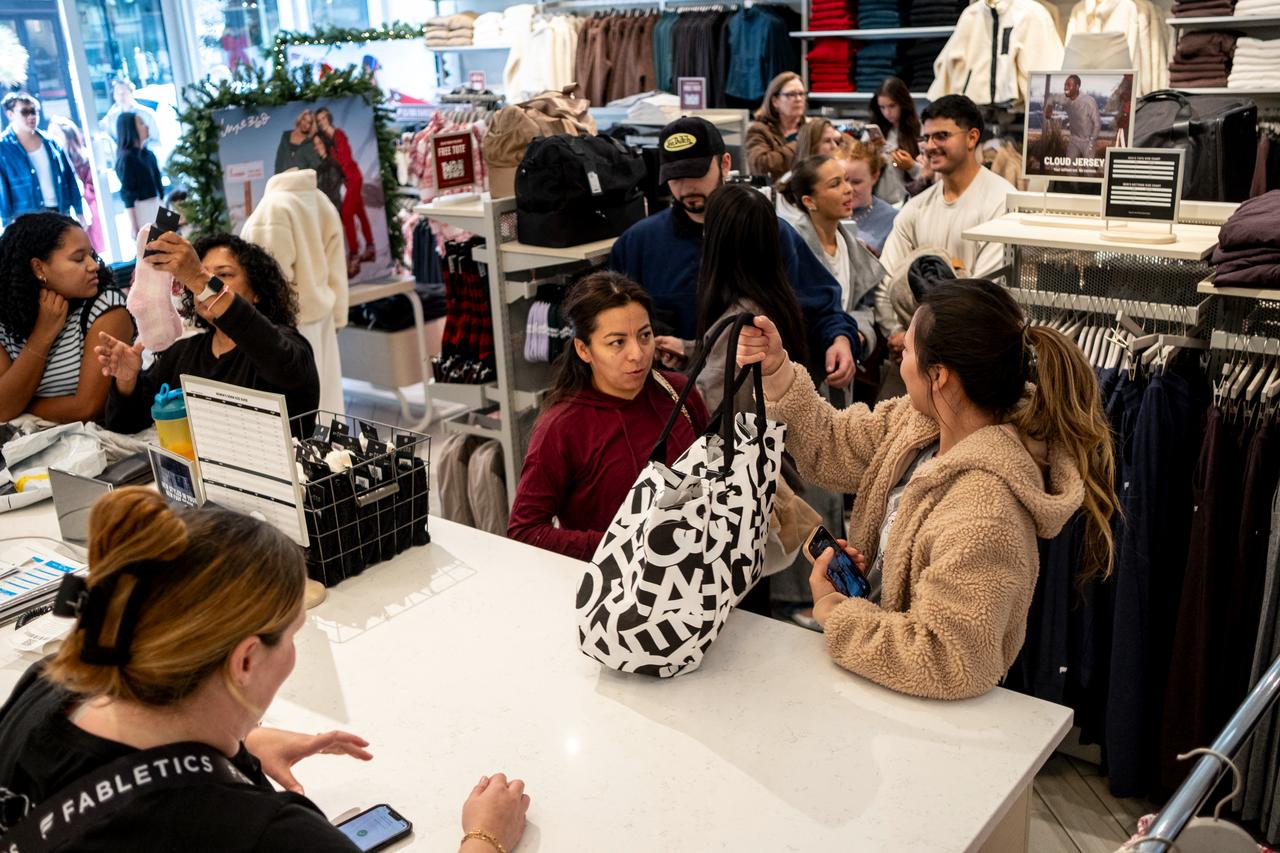

Physical stores still account for most Black Friday sales, but they attracted fewer shoppers this year.
Preliminary data from RetailNext, which measures store traffic, showed a 2.9% drop from 2025. Sensormatic Solutions reported that visits fell 4.2% from last year's Black Friday but were up 250% from the previous Friday.
Store traffic has declined in recent years as American consumers shop more online. Poor weather across the country may also have contributed to this year's drop.
Joe Shasteen, global manager of advanced analytics at RetailNext, said pressure on household budgets from essential costs such as gasoline, groceries and rent is also changing shopping habits.
Despite the drop in visits, in-store sales rose 3.8%, their strongest Black Friday growth since 2022, according to Mastercard SpendingPulse.
Michelle Meyer, chief economist at the Mastercard Economics Institute, said inflation is expected to account for about half of the projected sales growth this holiday season.
Game consoles, video games, smartphones, headphones and smart glasses were among the most popular products, according to Adobe.
Consumers did not limit their Black Friday shopping to gifts and electronics. Purchases of essentials such as clothing, baby products, pet supplies and household cleaning items also helped lift sales.
Mastercard SpendingPulse data identified technology as the standout category, with spending on electronics and software up nearly 8% from 2025.


 Set as preferred source
 Set as preferred source



 3 min read