Newsletters


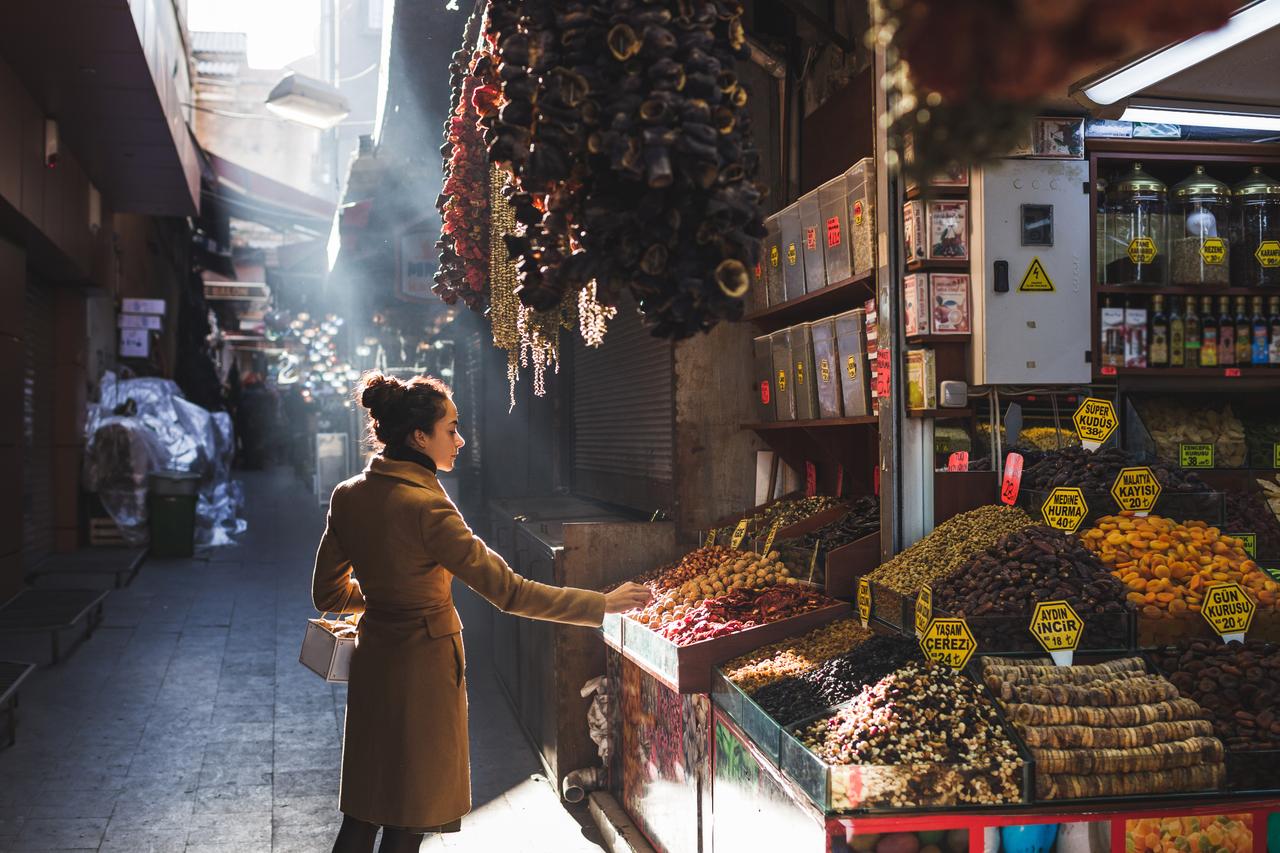


In Istanbul’s neighborhood markets, the familiar pre-Ramadan rush still fills stalls with customers checking prices for dates, cheese, olives and meat, but this year, many leave with fewer items in their bags. Some pause longer than usual in front of price tags, comparing options or recalculating what they can afford before moving on.
Vendors report seeing hesitation more frequently, noting that customers who once bought in bulk are now requesting smaller portions or postponing purchases altogether. Shoppers, meanwhile, say even basic foods tied to Ramadan traditions have become harder to afford, forcing households to adjust long-standing habits. Items that were once routine purchases for iftar tables are now being weighed against monthly budgets already stretched by rent, utilities and other living costs.
The change is visible not only in what people buy, but how they buy. Market sellers report that conversations about prices have become more frequent, with customers inquiring about the sharp rise in costs compared to last year. For many families, Ramadan preparations now involve prioritizing essentials rather than stocking up freely.
Behind the shift in buying behavior lies persistent food inflation that has driven up the cost of staple products central to iftar and sahur meals. Retail prices for key Ramadan items have increased sharply over the past year, reflecting broader cost pressures across Türkiye’s food supply chain and gradually reshaping how households prepare for the holy month.
Suppliers point to rising transportation costs, currency-driven import expenses, and higher production costs as key factors pushing prices higher from farm to shelf. Producer-side data shows that cost increases remain widespread across agriculture and livestock, reinforcing upward pressure on retail food prices.
The agricultural producer price index rose by 8.46% month-on-month and 43.58% year-on-year in January 2026, according to official data. Prices for live animals and animal products—a key input for meat—increased by 4.02% on a monthly basis and 31.63% annually, highlighting sustained cost increases in livestock production.
Non-perennial crops, including vegetables and grains, recorded a monthly rise of 12.14% and an annual increase of 27.37%, while perennial crops such as fruits climbed 86.34% compared to the previous year. Forestry products rose 46.88% annually, and fishery and aquaculture products increased by 54.6%, underscoring the broad scope of producer-level inflation.
These cost increases have continued to feed into consumer prices. Official figures showed food and non-alcoholic beverage prices rose by 6.59% in January alone, reflecting ongoing inflation in the lead-up to Ramadan, when demand typically strengthens. Early estimates also indicated that price pressures were likely to remain elevated in February, Turkish central bank Governor Fatih Karahan previously said.
The rising cost of food is also evident in household living standards. The hunger threshold for a family of four exceeded ₺31,224 in January, representing the minimum monthly spending required for adequate nutrition, according to the Confederation of Turkish Labor Unions (Turk-Is). The level highlights the growing burden on household budgets, particularly for low- and fixed-income groups.
Although Ramadan is traditionally associated with increased spending as families prepare meals and stock essential items, early indicators point to more cautious behavior this year. Data from the Interbank Card Center (BKM) showed that food spending recorded its slowest pre-Ramadan weekly growth in recent years, even as transaction volumes continued to rise, suggesting households are adjusting consumption.
| Date | Food Spending | Weekly Change (%) | Food Transactions | Weekly Change (%) |
|---|---|---|---|---|
| 13-02-2026 | ₺38.21B | 1.37 | 46.56M | 5.16 |
| 28-02-2025 | ₺28.12B | 3.53 | 44.67M | 1.68 |
| 08-03-2024 | ₺18.17B | 9.26 | 38.61M | 1.24 |
| 17-03-2023 | ₺8.36B | 4.21 | 30.79M | 2.73 |
| 01-04-2022 | ₺3.99B | 10.75 | 23.76M | 6.35 |
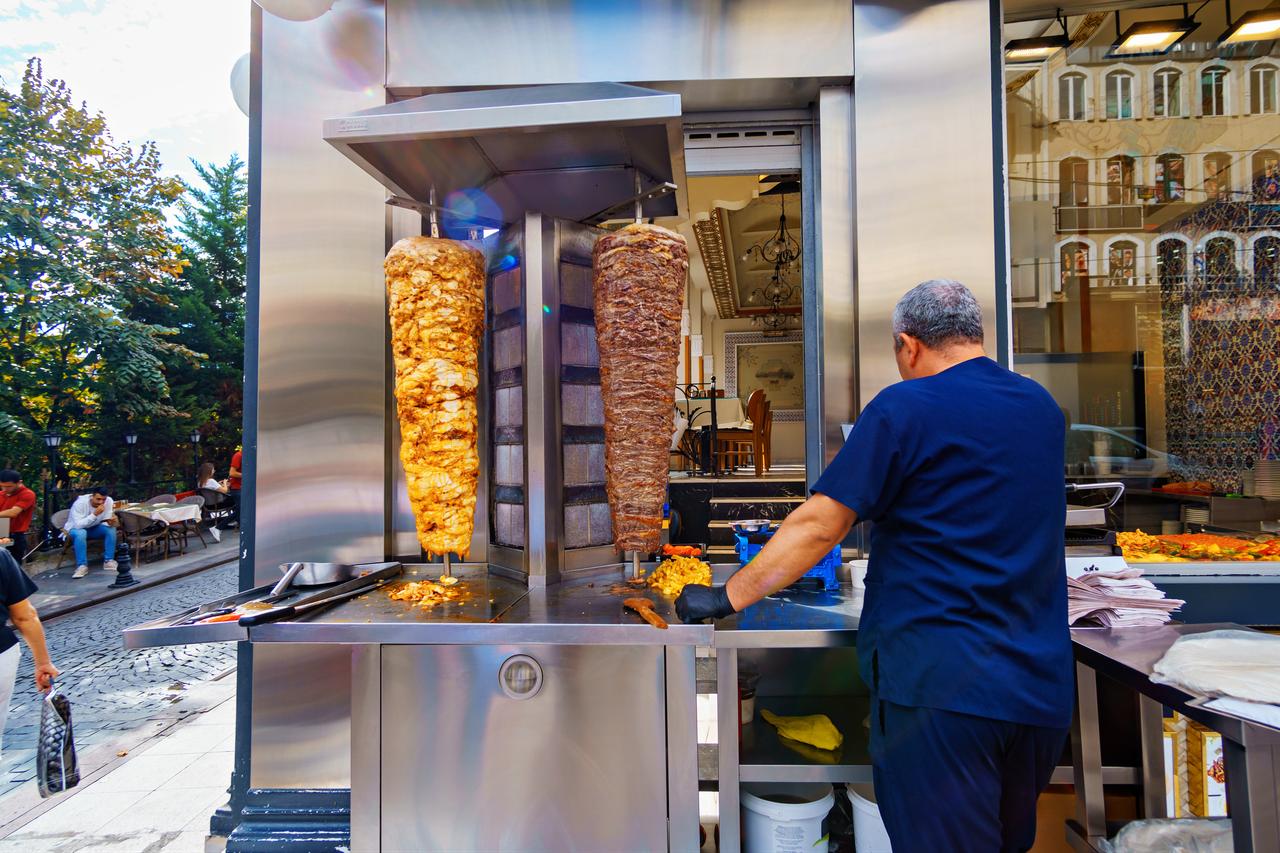

The effects are equally visible in the restaurant sector, where Ramadan has long been associated with social gatherings and shared meals. Rising menu prices, however, have led some customers to cut back on eating out, while business owners struggle to keep pace with rising operating costs.
Restaurant operators say the price of key ingredients such as meat, cooking oil, dairy products, and fresh vegetables has increased significantly over the past year, while rent, energy, and labor costs have added further pressure. Many businesses have adjusted menus ahead of Ramadan, reducing portion sizes or limiting promotional offers that were previously used to attract customers during the fasting period.
One doner kebab restaurant owner in Istanbul’s Sisli district said rising costs have forced difficult decisions despite weakening demand.
"I pay around ₺1,000 for a kilogram of doner meat, and I sell a 100-gram doner wrap for ₺620," he said. "My total expenses, including rent, staff wages, electricity, and supplies, reach around ₺600,000 per month. Yes, the price is high in my opinion too, but we are not raising prices by choice—we are trying to keep the business running."
He said customer behavior has shifted noticeably in recent months.
"Sales are not as strong as before. People check the price and think twice, or they choose cheaper options,” he said. “As prices rise, demand weakens, which makes it harder for us to balance our costs."
As concerns over affordability grew, authorities intensified oversight across the food sector. The Trade Ministry deployed inspection teams nationwide to monitor markets, restaurants, and wholesalers, focusing on price lists, supply chains, and inventory levels to prevent excessive pricing and stockpiling.
Trade Minister Omer Bolat said businesses found violating regulations could face fines of up to ₺1.8 million ($41,000), warning that authorities would continue enforcement efforts throughout Ramadan.
At the same time, officials engaged directly with retailers and suppliers to stabilize prices and ensure sufficient food supply. The ministry said agreements were reached with wholesalers and supermarket chains to increase discounts and improve access to essential goods, while strengthening coordination across supply chains to prevent disruptions.


 Set as preferred source
 Set as preferred source


 2 min read

 1 min read