Newsletters




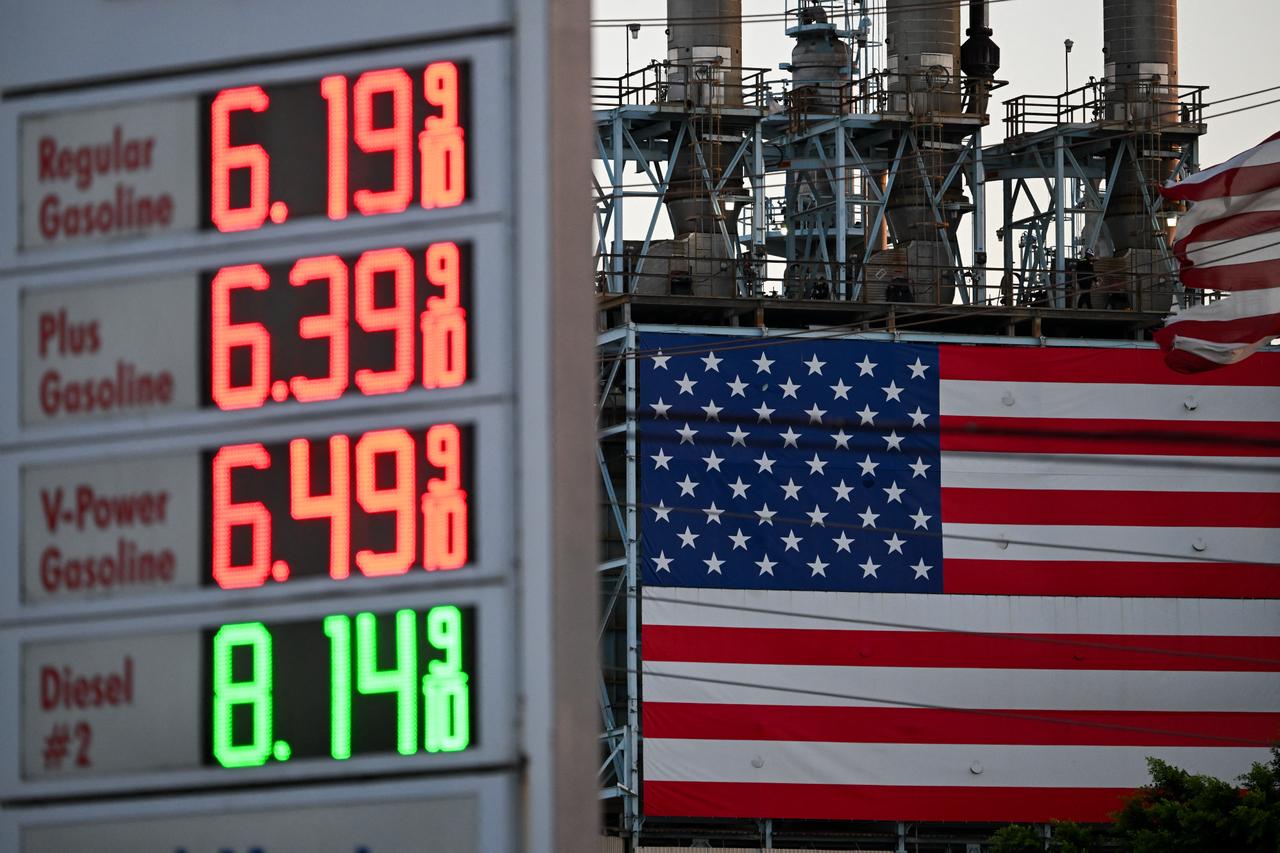
Global oil prices surged Friday after U.S. President Donald Trump demanded Iran’s "unconditional surrender," heightening concerns that the already disrupted flow of crude and shipping through the Strait of Hormuz could face prolonged interruptions.
Brent crude, the international benchmark, briefly climbed to $91.89 per barrel, its highest level since April 2024, while U.S. benchmark West Texas Intermediate rose 10.63% to $89.62 per barrel.
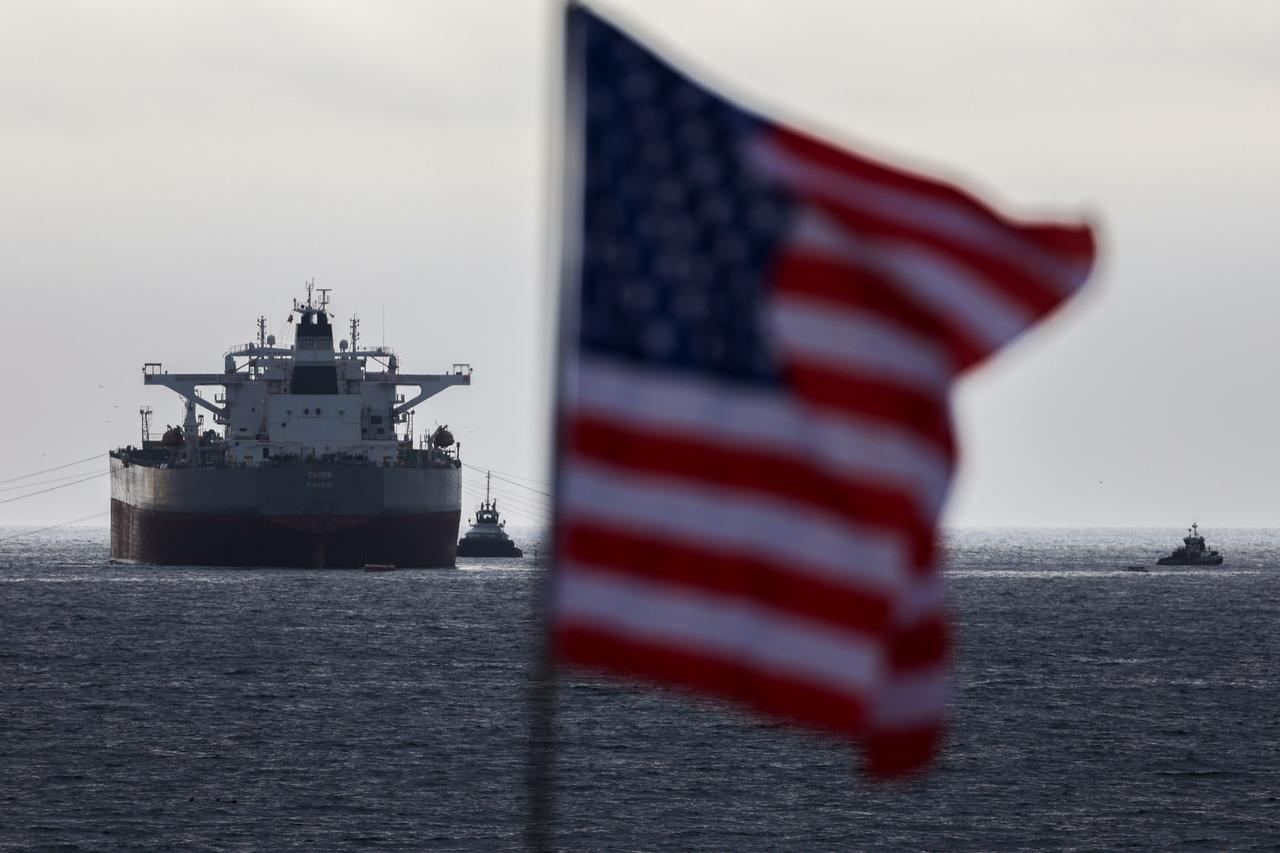
Markets reacted as hostilities involving the United States and Israel against Iran entered their seventh day, followed by Iranian retaliatory strikes targeting U.S. bases in the region and Israel. The escalation disrupted maritime traffic through the Strait of Hormuz, a key chokepoint linking the Persian Gulf with the Gulf of Oman that normally carries around 20% of global oil and gas shipments.
Strikes on Iranian energy facilities have also affected production and exports, contributing to the sharp rise in prices.
Major energy producers in the Gulf are also facing operational disruptions. QatarEnergy suspended production of liquefied natural gas and related products after an Iranian drone strike targeted its largest LNG facility. The company declared force majeure to affected buyers.
Qatar’s energy minister and QatarEnergy chief executive Saad bin Sharia al-Kaabi said other exporters in the region could soon take similar measures if the conflict continues.
The statement pushed already strained European gas prices higher, lifting Dutch TTF hub futures above €50 ($57.91) per megawatt-hour, up 65% in a week.
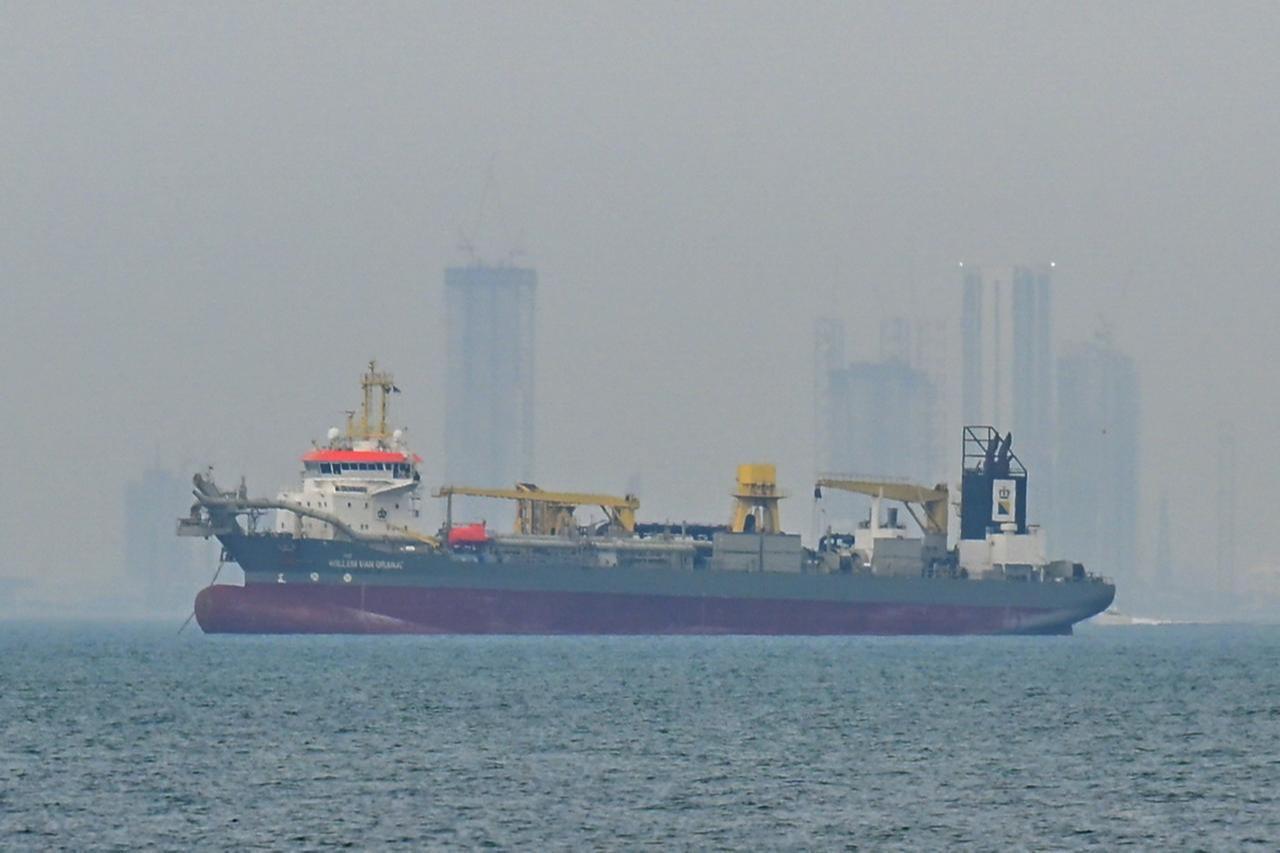
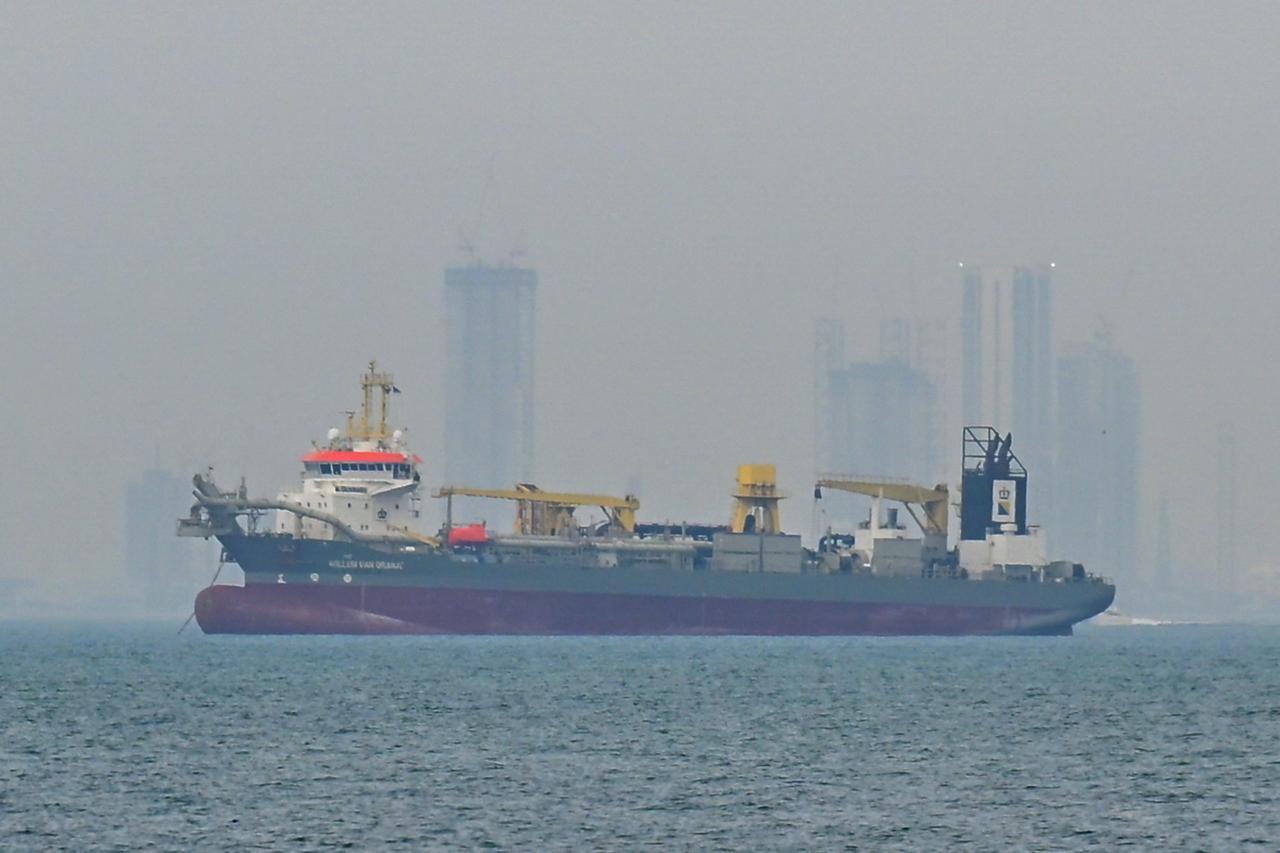
Container carriers have largely stopped transiting the Strait of Hormuz since the strikes on Iran began, redirecting vessels around the Cape of Good Hope at the southern tip of Africa instead.
Shipping giant Maersk said it suspended two key routes: the FM1 service linking the Far East to the Middle East and the ME11 service connecting the Middle East to Europe. The company cited safety risks to vessels and crews. Regional shuttle services operating inside the Persian Gulf have also been halted until further notice.

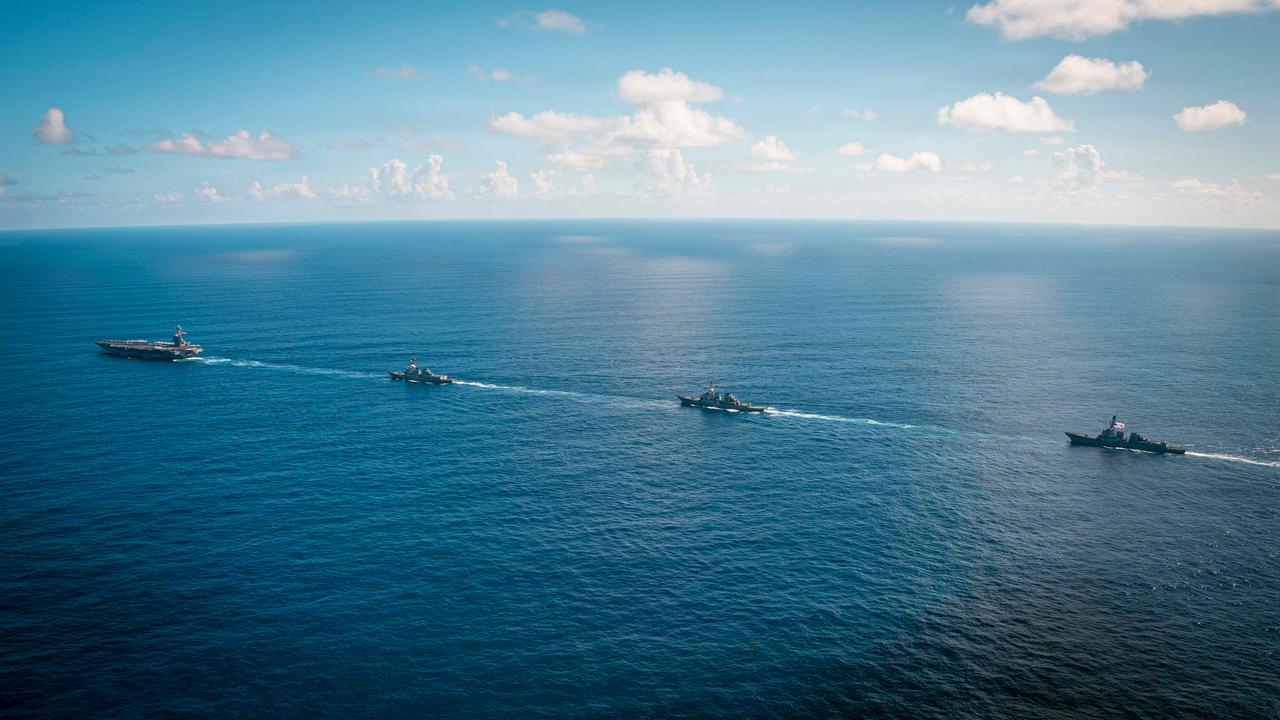
U.S. Energy Secretary Chris Wright said the U.S. Navy plans to escort ships through the Strait of Hormuz once military operations against Iranian attacks allow resources to shift toward protecting maritime traffic.
"Right now, all the US military assets — and God bless the men and women of the United States military — all of their focus right now is to suppress Iran’s ability to wreak havoc on their neighbors and on Americans in the area," Wright said.
"So first, we’ve got to get their ability to cause trouble way down, and then as soon as it’s reasonable to do it, we’ll escort ships through the straits and get the energy moving again."
Wright said the recent increase in gasoline prices represents “a little bit of an interruption right now,” adding that the situation could stabilize within weeks.
The International Energy Agency said the current market turmoil reflects transport constraints rather than a global supply shortage. Speaking in Brussels after meetings with European Union officials, IEA Executive Director Fatih Birol said the world still has sufficient oil production capacity.
"Here we are facing a logistical problem, not a production problem," Birol said.
Countries involved in the regional tensions — Saudi Arabia, Kuwait, the United Arab Emirates, Qatar and Iran — together produce around 30 million barrels per day, roughly one-third of global oil output.
Birol said the IEA holds large emergency reserves that could be released if necessary. "We can release these stocks into the markets when necessary to ease the situation… All options are on the table, but at the moment there is no such decision," he remarked.
Birol also warned that returning to heavy reliance on Russian gas would not be a sound strategy for Europe. He noted that global natural gas markets are expected to undergo structural changes as new liquefied natural gas supplies enter the market within the next four to five years, shifting the balance toward buyers and putting downward pressure on prices.


 Set as preferred source
 Set as preferred source


 1 min read
 1 min read