Newsletters


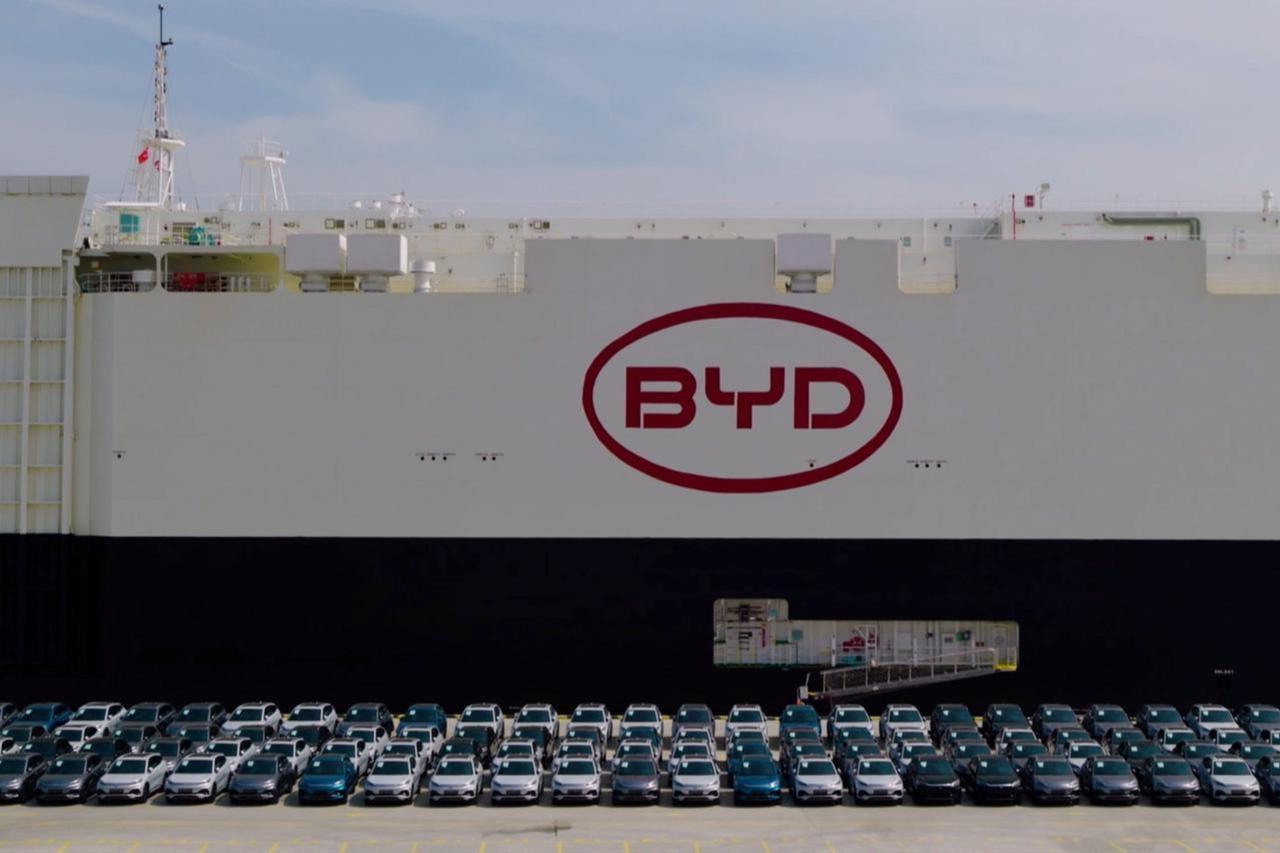


Chinese automaker BYD’s planned electric vehicle (EV) production facility in Türkiye’s western province of Manisa remains on track despite delays, according to local officials familiar with the project.
The plant was scheduled to begin construction roughly six months ago, but has encountered delays due to rising geopolitical and economic uncertainty, Manisa Organized Industrial Zone (OSB) Chairperson Sait Turek told local media.
He pointed out that the company has postponed its investment timeline primarily due to external factors, especially the intensifying U.S.-China trade tensions that characterized 2025.
Turek emphasized that the investment process is backed by state guarantees and remains under the control of legally binding obligations. In public remarks addressing concerns about the delay, he rejected claims that the deal involved preferential treatment or lacked transparency.
"I am very confident," Türek stated. "If BYD does not build the factory, it will be obligated to repay every dollar it received in customs relief to the state."
As part of its agreement with the Turkish government, BYD is classified as a local producer, allowing it to bypass customs tariffs of up to 30%. The special status gave BYD a competitive edge in Türkiye’s market, helping it become the country’s best-selling electric vehicle brand in 2025 with 45,537 units sold, surpassing both domestic rival Togg and global competitor Tesla.
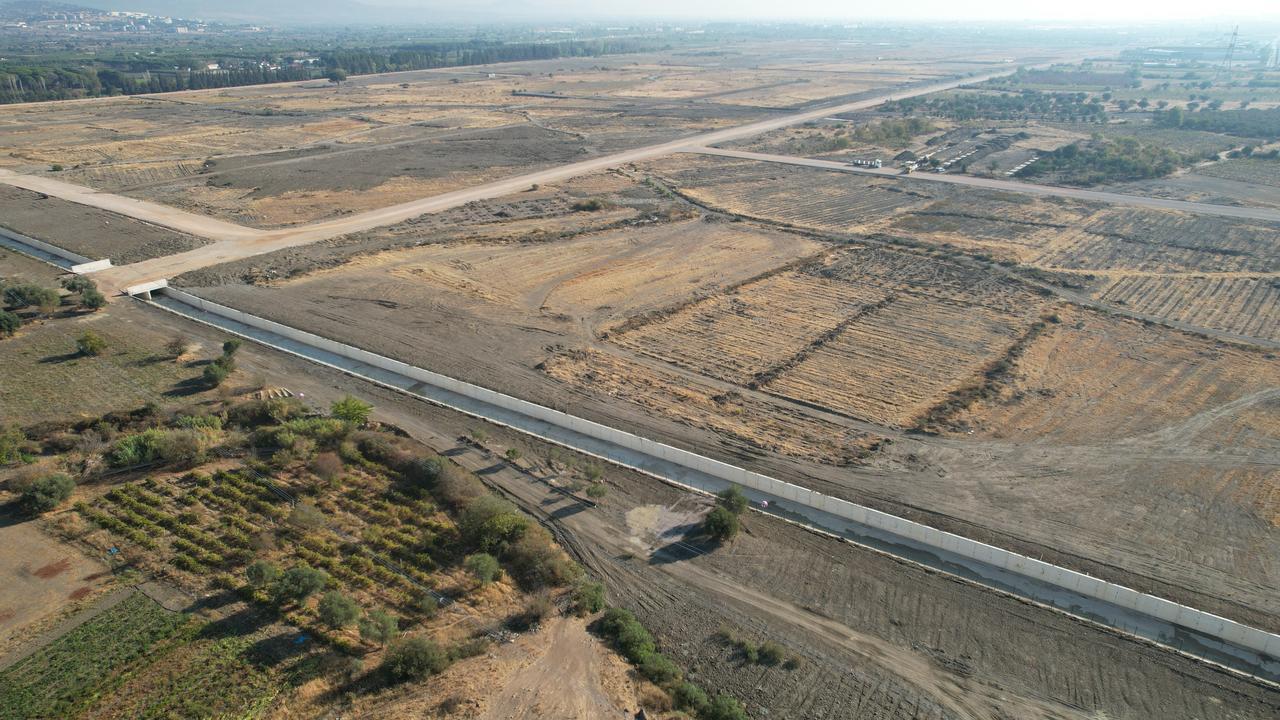

According to Turek, BYD has taken a measured approach to its international commitments in response to recent macroeconomic shifts. "The project should have already started," he said, "but due to the rise in geopolitical and economic uncertainty, BYD has been careful with its investment steps."
Despite these delays, Turek stressed that the agreement remains active and enforceable. The factory is still expected to begin operations by the end of 2026 as originally planned.
The $1 billion investment, originally formalized in July 2024, involves the construction of a factory in Manisa with an annual production capacity of 150,000 vehicles and an expected workforce of around 5,000 people.


 Set as preferred source
 Set as preferred source


 1 min read
 1 min read