Newsletters


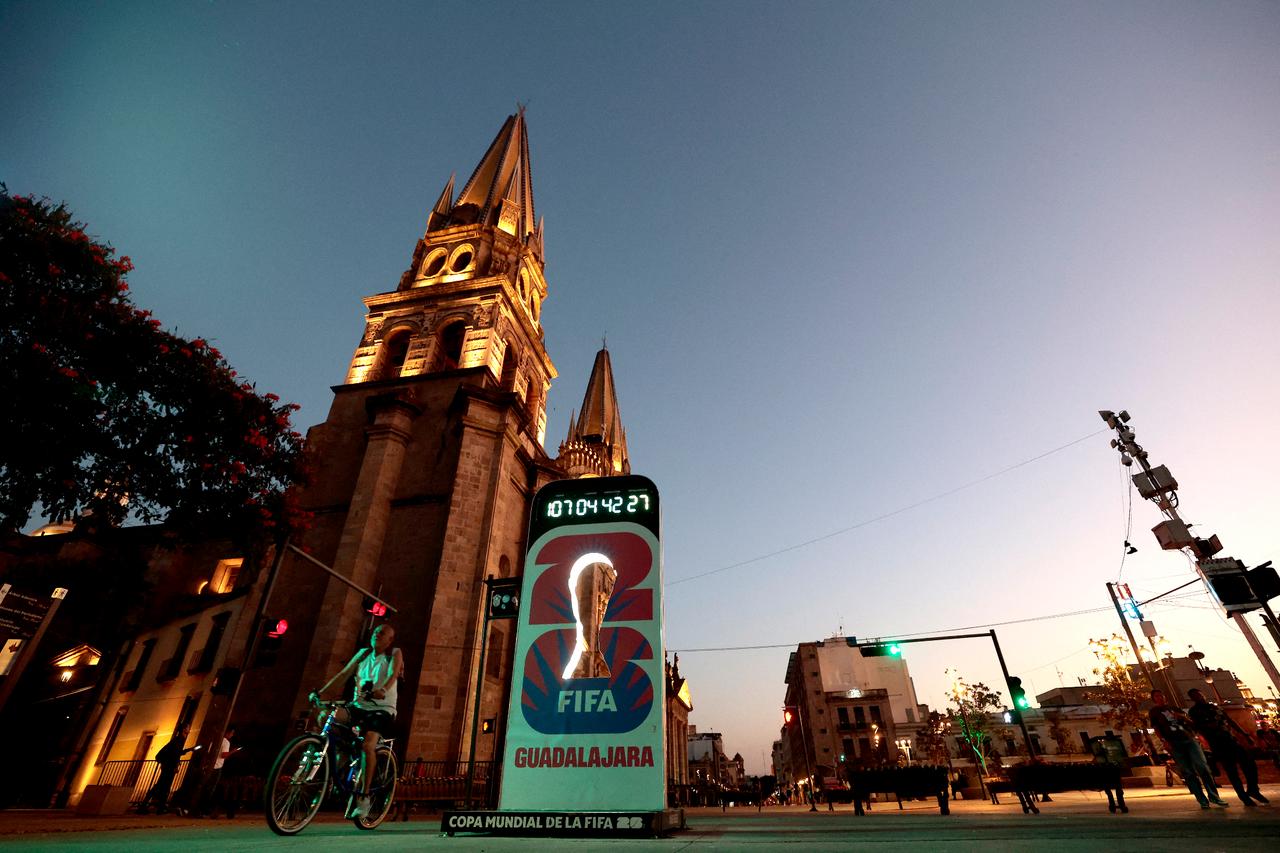


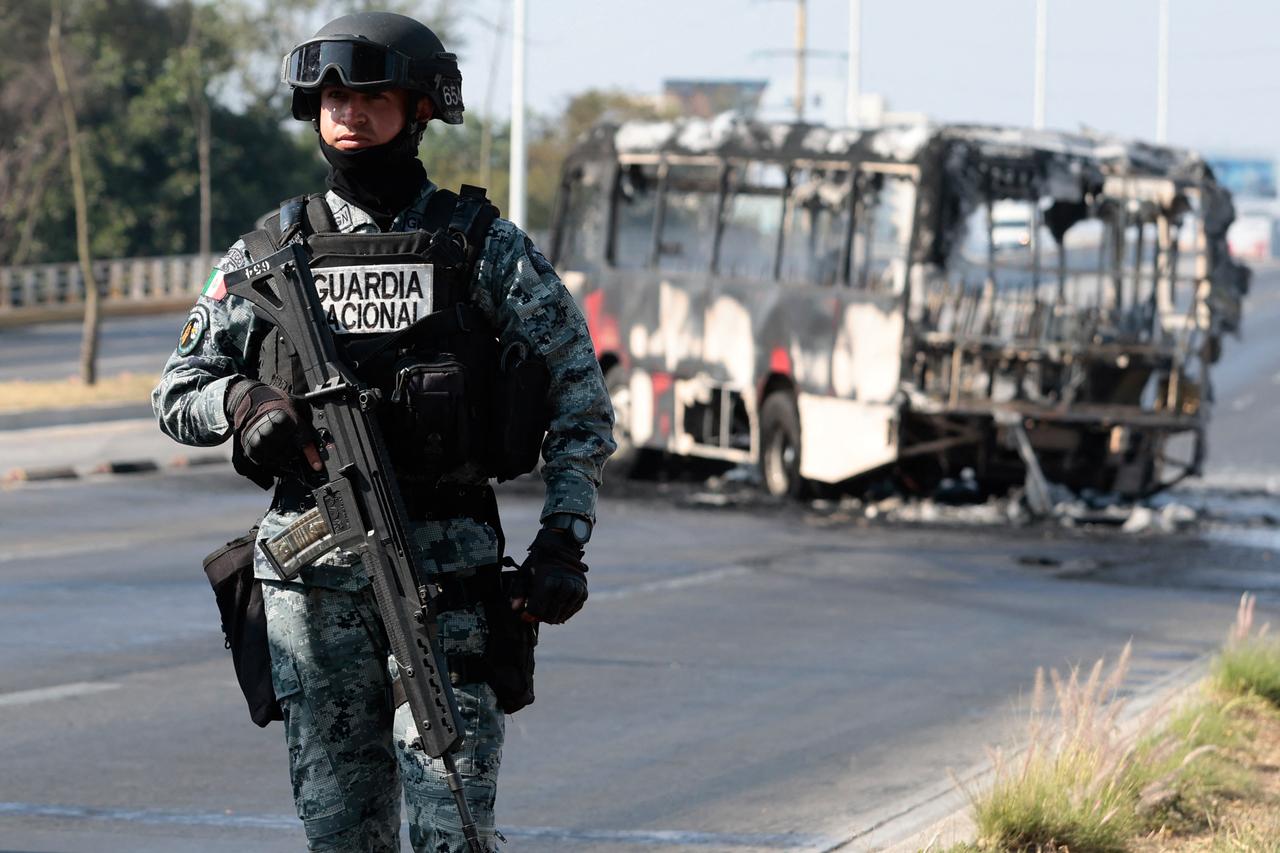
Violence linked to organized crime has intensified scrutiny of Mexico’s readiness to host matches in the 2026 FIFA World Cup after the killing of cartel leader "El Mencho," which triggered retaliatory attacks across western Mexico.
The violence left at least 74 people dead, including security personnel and suspected cartel members, and spread into areas connected to Guadalajara, one of the designated World Cup host cities.
Authorities increased security deployments and suspended several top-tier sporting events, and transportation disruptions affected both residents and foreign visitors in the region, raising questions about the potential risk to Mexico’s hosting status if security conditions fail to stabilize ahead of the tournament.
Mexico is scheduled to host matches between June 11 and July 5, 2026, in Mexico City, Monterrey, and Guadalajara as part of the expanded 48-team tournament and has already committed an estimated $8.5 billion to infrastructure and urban development linked to the event, according to Spanish news outlet El País, citing figures from the Mexican Football Federation.
The investments have focused on transportation upgrades, stadium modernization, and broader urban infrastructure required to meet FIFA hosting standards and support teams, officials, and visiting fans.
The spending allocates $3.2 billion to Mexico City, which will host five matches, including the opener; $3.87 billion to Monterrey, where four matches are scheduled; and $1.39 billion to Guadalajara, set to stage several group stage games.
Mexico has projected economic gains of more than $3.6 billion from hosting matches during the tournament. However, a local business chamber told Forbes Mexico that total economic benefits could reach nearly 200 billion pesos ($11.66 billion), driven by increased tourism, consumer spending, and tournament-related business activity across the host cities.
The country is expected to receive about 5.5 million international visitors during the tournament, with Guadalajara alone projecting around 3 million visitors.

If FIFA were to revoke Mexico’s hosting rights due to security concerns, the country would lose expected World Cup-related revenue, while the $8.5 billion already committed to infrastructure and urban development would fail to deliver the projected financial returns tied to match operations and visitor spending.
FIFA regulations allow the governing body to relocate or cancel matches if security conditions pose a risk to the tournament.
A precedent involving the World Cup occurred when Colombia withdrew from hosting the 1986 tournament in November 1982 due to financial limitations, infrastructure gaps, and security concerns, leading FIFA to reassign the event to Mexico several years before kickoff.
FIFA also removed Indonesia as host of the 2023 U-20 World Cup, citing uncertainty surrounding the safe participation of Israel’s national team.
Mexican President Claudia Sheinbaum addressed recent concerns on Tuesday, saying there was "no risk" to fans and that security forces were working to stabilize affected areas. "Little by little, the situation is returning to normal," Sheinbaum said, adding that there were "all the guarantees" in place for the World Cup.
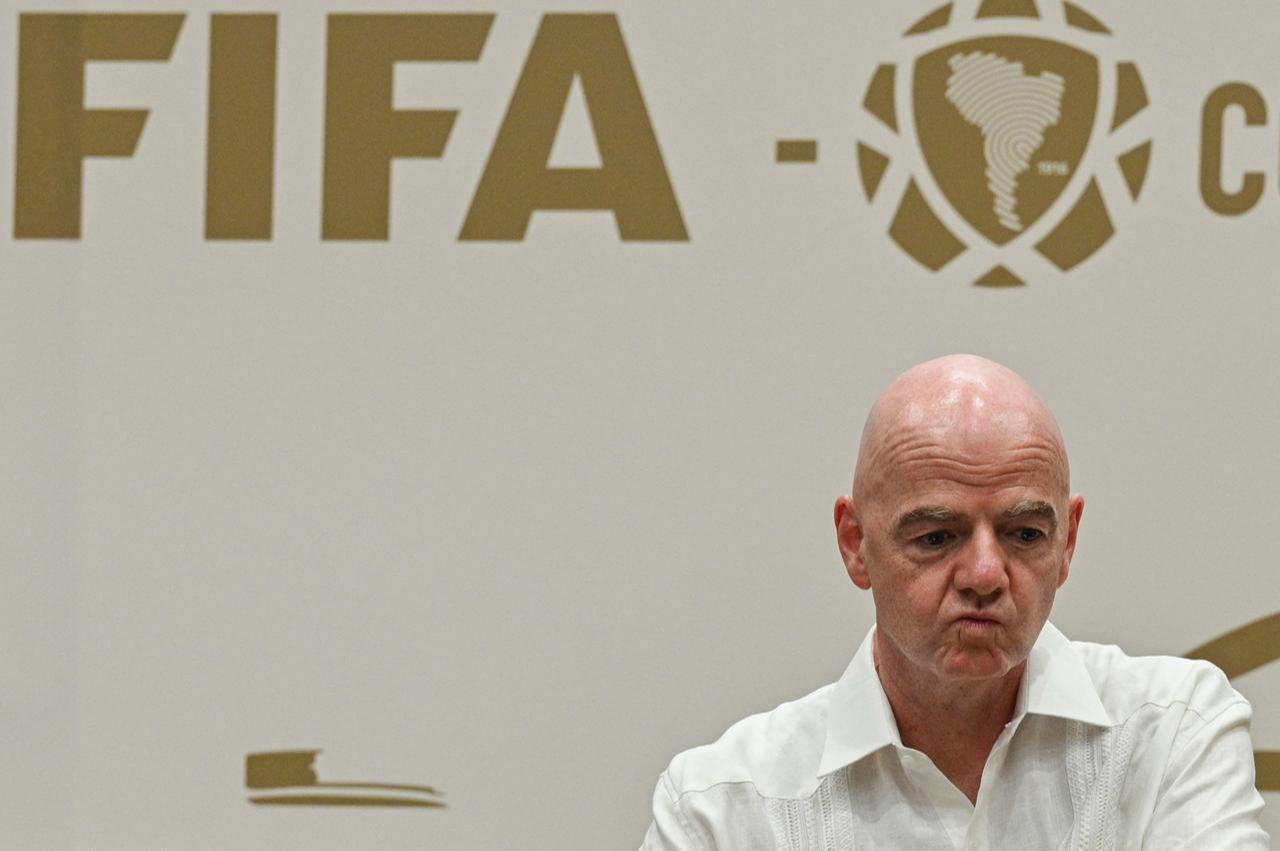
FIFA President Gianni Infantino echoed that position, saying, "Very reassured, everything’s good. It’s going to be spectacular," and added that coordination with Mexican officials was continuing as the tournament approached.


 Set as preferred source
 Set as preferred source


 1 min read
 1 min read