Newsletters


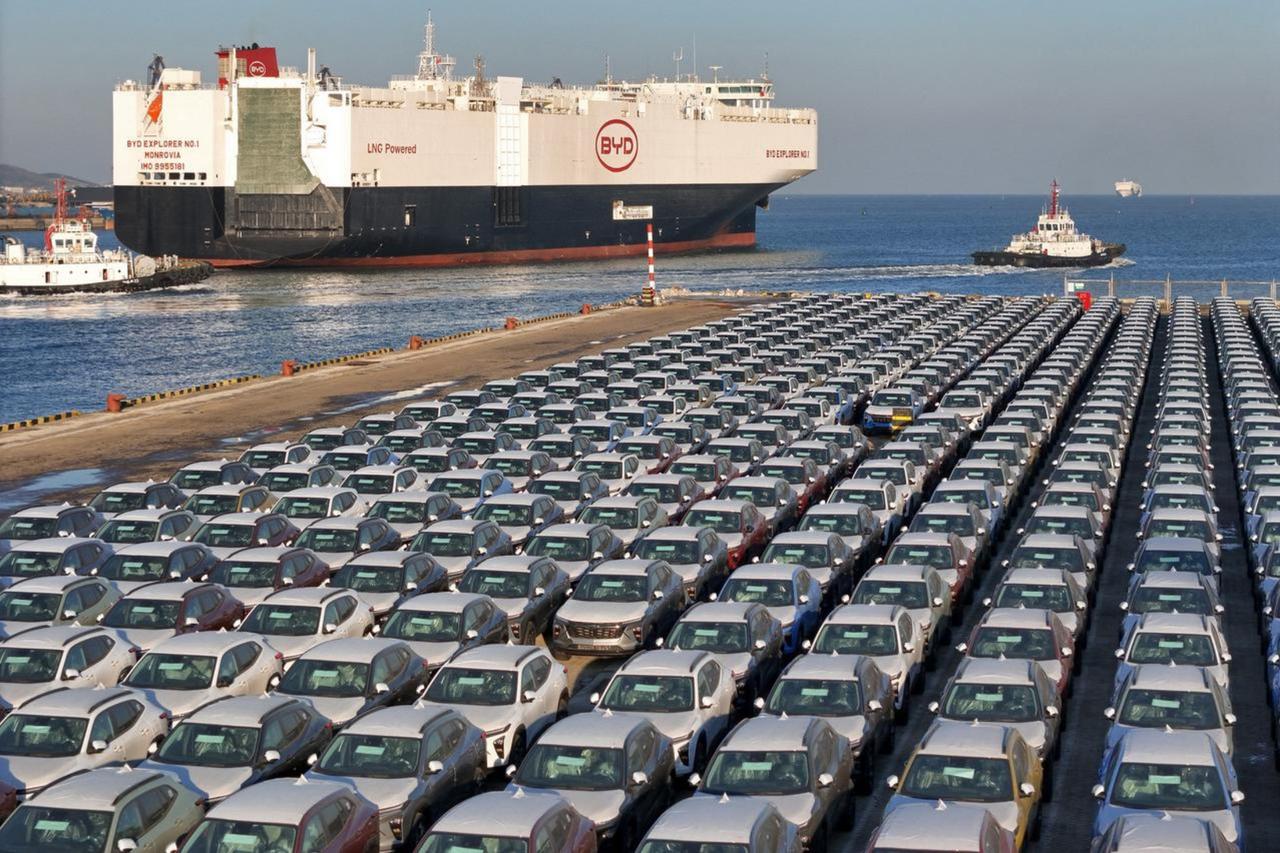


The Chinese Commerce Ministry said Saturday that the EU vehicle export deal offers a starting point for resolving trade disputes through dialogue and preventing further escalation.
"The outcomes and consensus reached by both sides fully demonstrate that China and the EU have both the willingness and the wisdom to manage and properly handle differences through dialogue and consultation and to effectively avoid escalation of frictions," the ministry said.
The statement followed two days of talks in Beijing between Chinese Commerce Minister Wang Wentao and European Trade Commissioner Maros Sefcovic, which Beijing described as successful.
The ministry added that both sides would continue working on major economic and trade issues. Wang and Sefcovic are scheduled to meet again in March 2027, with a video conference planned for January.
 2 min read
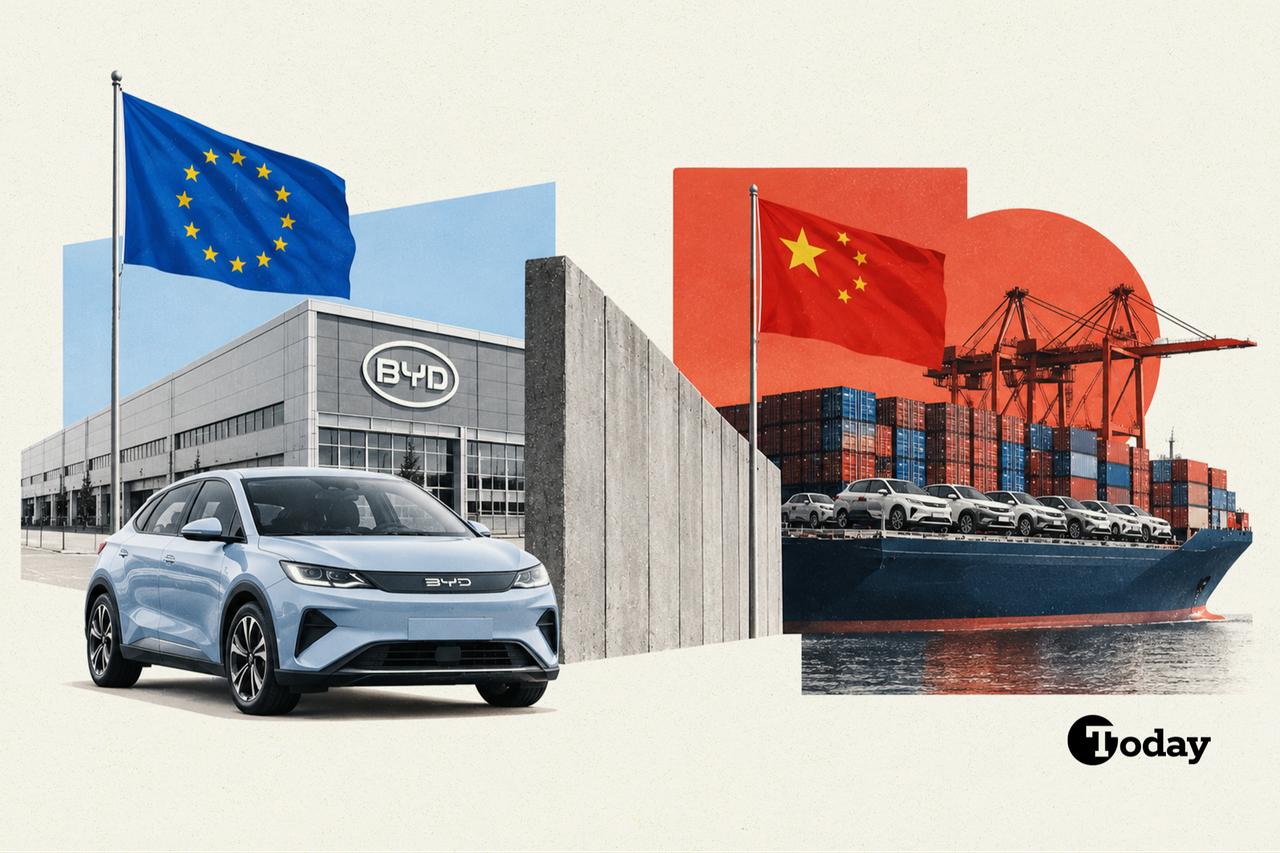
Sefcovic said Friday that the agreement could cut Chinese hybrid vehicle exports to the EU by more than half over four years, although he did not provide details on how the arrangement would be implemented.
Beyond vehicles, the two sides reached an understanding on reducing Chinese import duties on about €4 billion worth of EU exports, including car parts, olive oil and footwear, Sefcovic said.
China also pledged to continue facilitating export licenses for rare earth minerals and permanent magnets through a "green channel" mechanism.
European businesses have closely followed Beijing's licensing requirements since last year amid concerns over critical material supplies.
The sides agreed to continue discussions on price undertakings as an alternative to tariffs and to explore lower duties on selected products. They will also maintain dialogue on market access for medical devices.
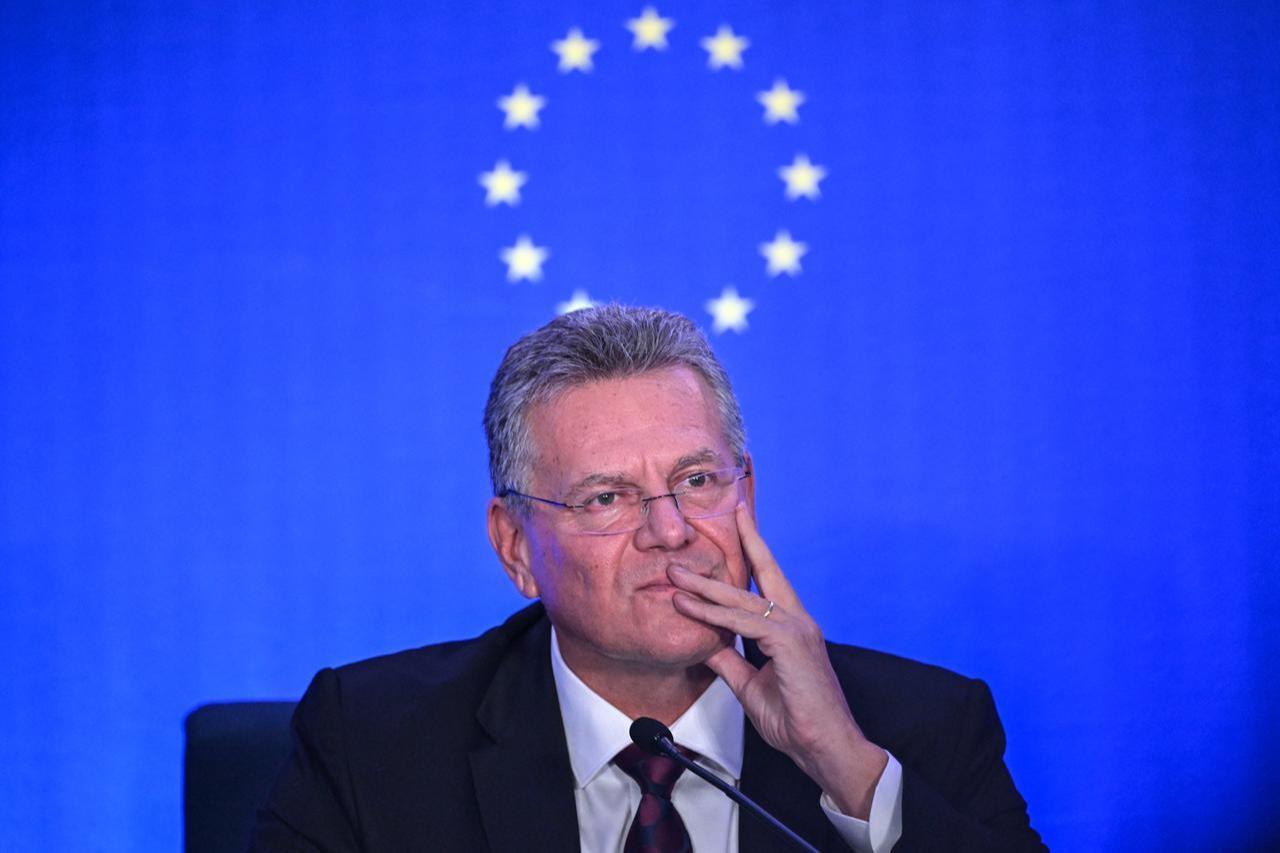
Sefcovic described the outcome as a positive result but stressed that more work remained. "Having said that, this is far from the end. It is a crucial first step—but only a first step—in the process of rebalancing," he told reporters in Beijing.

The agreement comes as the EU faces a growing trade deficit with China and European automakers struggle to compete with rising shipments of Chinese vehicles.
China's trade surplus with the bloc has reached more than €1 billion ($1.12 billion) a day. European officials have accused Beijing of supporting domestic companies through large subsidies, dumping products at low prices and manipulating its currency.
Weak demand at home has also pushed Chinese manufacturers to seek alternative markets overseas, intensifying competition with European producers.
The dispute has also spread to other sectors.
EU tariffs on Chinese electric vehicles introduced in 2024 strained bilateral relations, while Beijing's measures affecting European brands of pork and dairy products have added to tensions.
Restrictions on rare earths and critical minerals have raised further concerns over supply chains.
EU leaders are due to discuss the outcome at the start of their summit in Brussels next Thursday, assessing whether the agreement can help rebalance the bloc's trade relationship with China.


 Set as preferred source
 Set as preferred source


 1 min read