Newsletters




China pledged on Tuesday to protect its economic ties with Iran after the U.S. launched a sweeping sanctions campaign and expanded warnings for foreign parties continuing to do business with Tehran.
"China’s cooperation with Iran is conducted within the framework of international law and should not be disrupted," Foreign Ministry spokesman Lin Jian told reporters in Beijing.
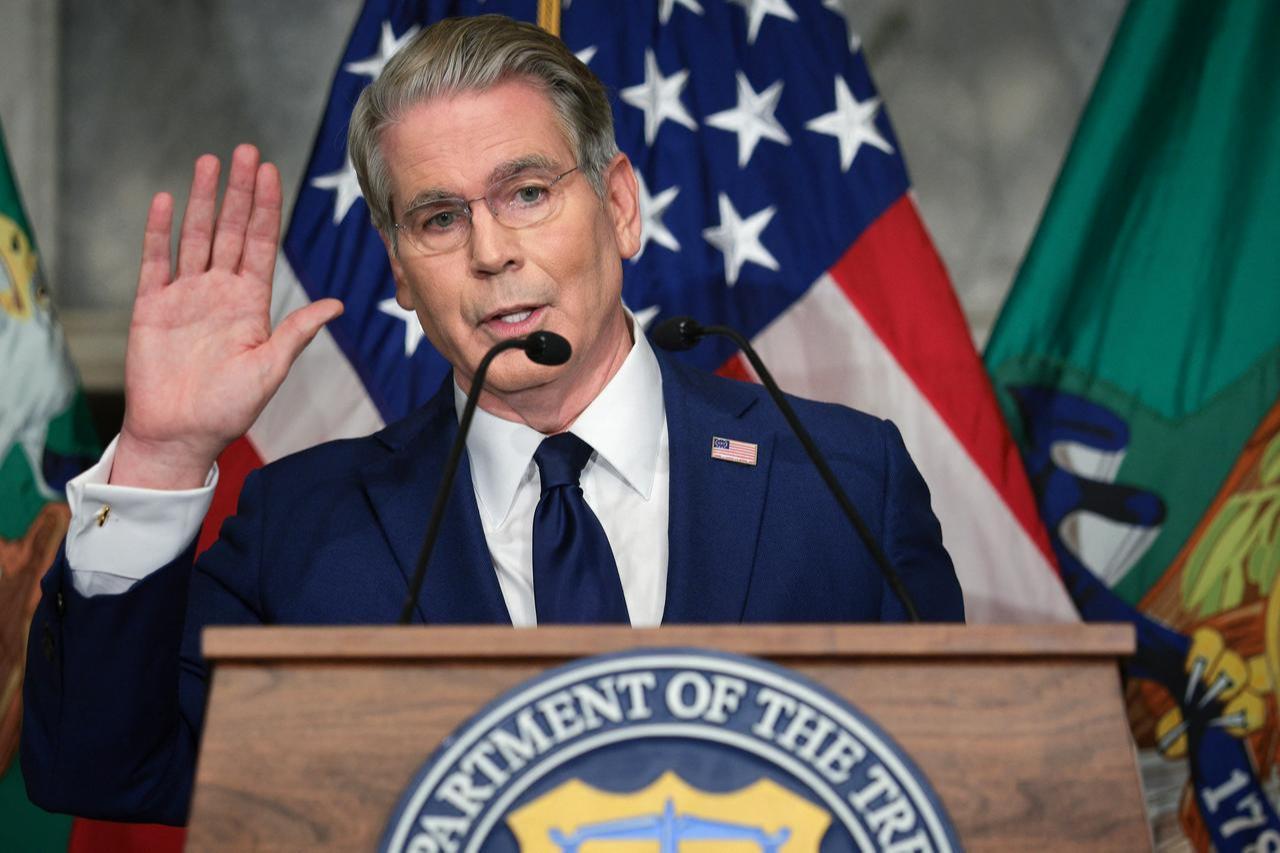
The setback follows Washington’s launch of "Operation Economic Outcast" on Monday, with U.S. Treasury Secretary Scott Bessent describing it as a campaign intended to completely isolate Iran from the global financial system.
He said those operating within the "ecosystem that turns Iranian oil into money" would "have no one to blame but themselves." Asked whether Chinese banks would be targeted by the new penalties, he stressed that "no one was above the reach" of the new U.S. measures.
Lin warned that the new U.S. sanctions could spill over into the wider global economy and urged the parties to return to talks to end the conflict. "Economic wars and maximum pressure are not the solution," he added.
Lin reiterated Beijing’s "firm opposition to illicit, unilateral sanctions that have no basis in international law or the authorization of the UN Security Council."
He also made clear that China was prepared to respond. "China will take necessary measures to safeguard its rights and interests," Lin said.

China is one of the largest importers of Iranian oil, while the two countries maintain a "comprehensive strategic partnership" driven mainly by economic ties and discounted energy imports.
According to the U.S.-China Economic and Security Review Commission, China is Iran’s largest trading partner and the primary buyer of its oil.
China reported $10 billion in total bilateral trade with Iran in 2025, but that figure excludes roughly $31.2 billion in unreported Iranian crude oil exports to China, putting total bilateral trade at about $41.2 billion when those oil shipments are included.
China’s purchases account for roughly 90% of Iran’s exported oil, with Chinese imports reaching almost 1.4 million barrels per day in 2025, or about 12% of China’s total crude oil imports.
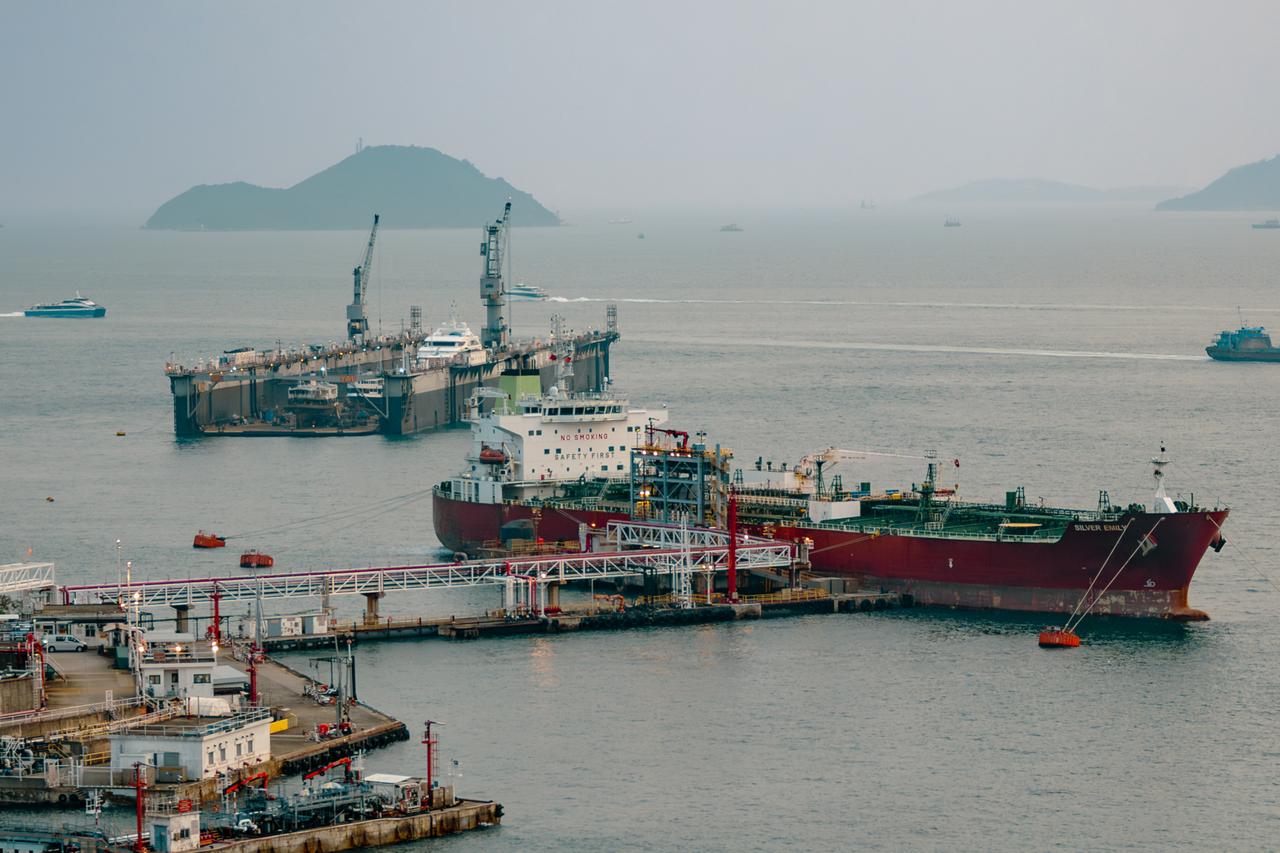
Beijing is also directly affected by disruptions to shipping traffic through the Strait of Hormuz, particularly amid the U.S. blockade of Iranian ports.
Bessent said Treasury officials had mapped "every node, every facilitator, and every network" used by Tehran for oil smuggling and sanctions evasion.
Washington was pursuing a "zero leakage approach," he said, giving Iran "no minimal breathing space" to rebuild its capabilities as U.S. agencies "tighten the noose" around its revenue sources.
Any entity facilitating money laundering for Tehran, Bessent warned, would be permanently removed from the U.S. dollar system.
"I would expect that you will see a major announcement of a financial institution being sanctioned by the end of this week," he said without elaborating.


 Set as preferred source
 Set as preferred source


 1 min read
 1 min read