Newsletters




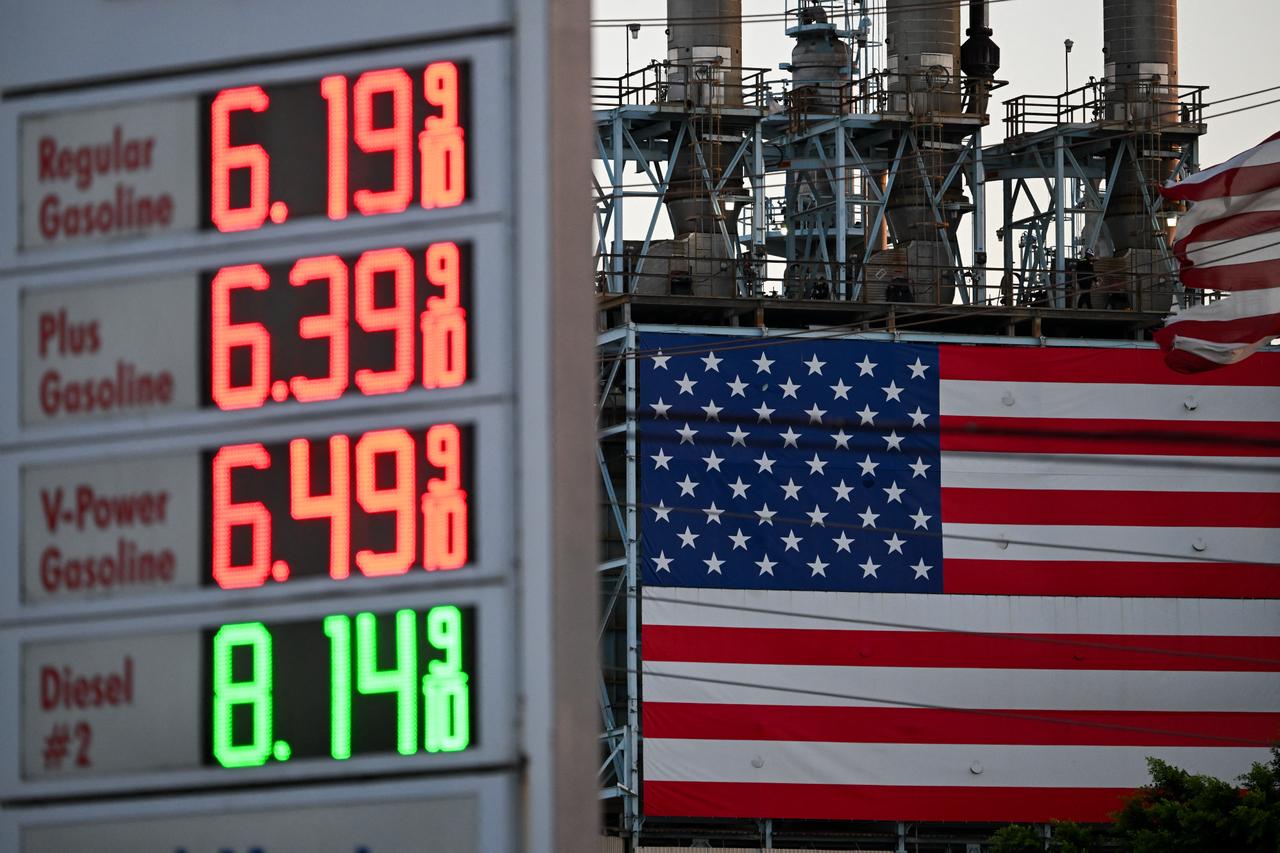
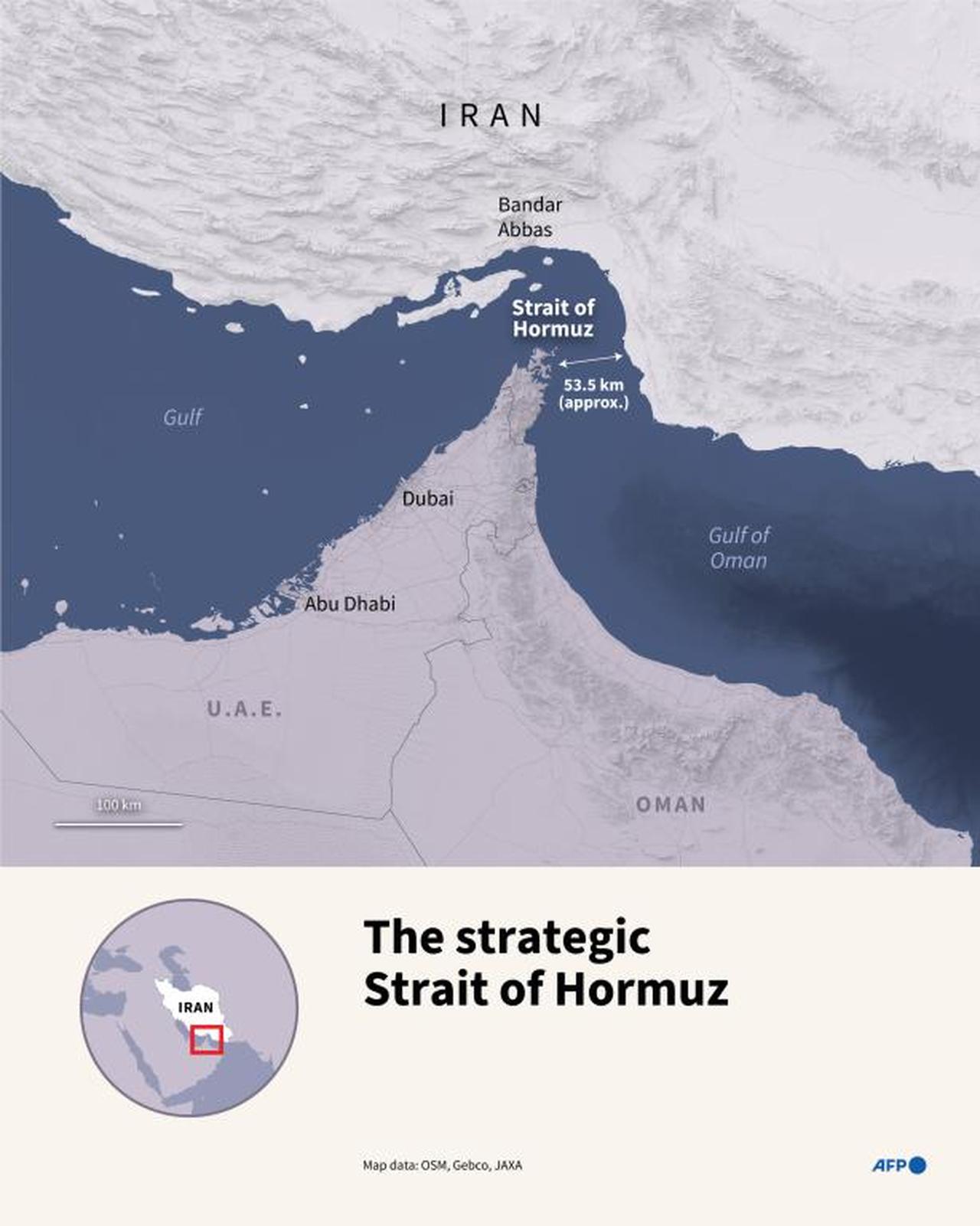
Oil prices climbed sharply on Monday after military strikes by the United States and Israel on Iran heightened fears of a broader regional conflict and fueled concerns over disruptions in the Strait of Hormuz, a vital corridor for global oil shipments.
Before pulling back toward the $78 level, Brent crude rose over 14% to above $82 during the session, while U.S. benchmark West Texas Intermediate also posted double-digit gains at the open, climbing above $74 per barrel.
The rally picked up pace after weekend strikes killed Iran’s Supreme Leader Ali Khamenei and other senior officials, pushing regional tensions higher.
Markets had already been on edge last week as speculation grew that Washington might take military action when talks over Iran’s nuclear program stalled.
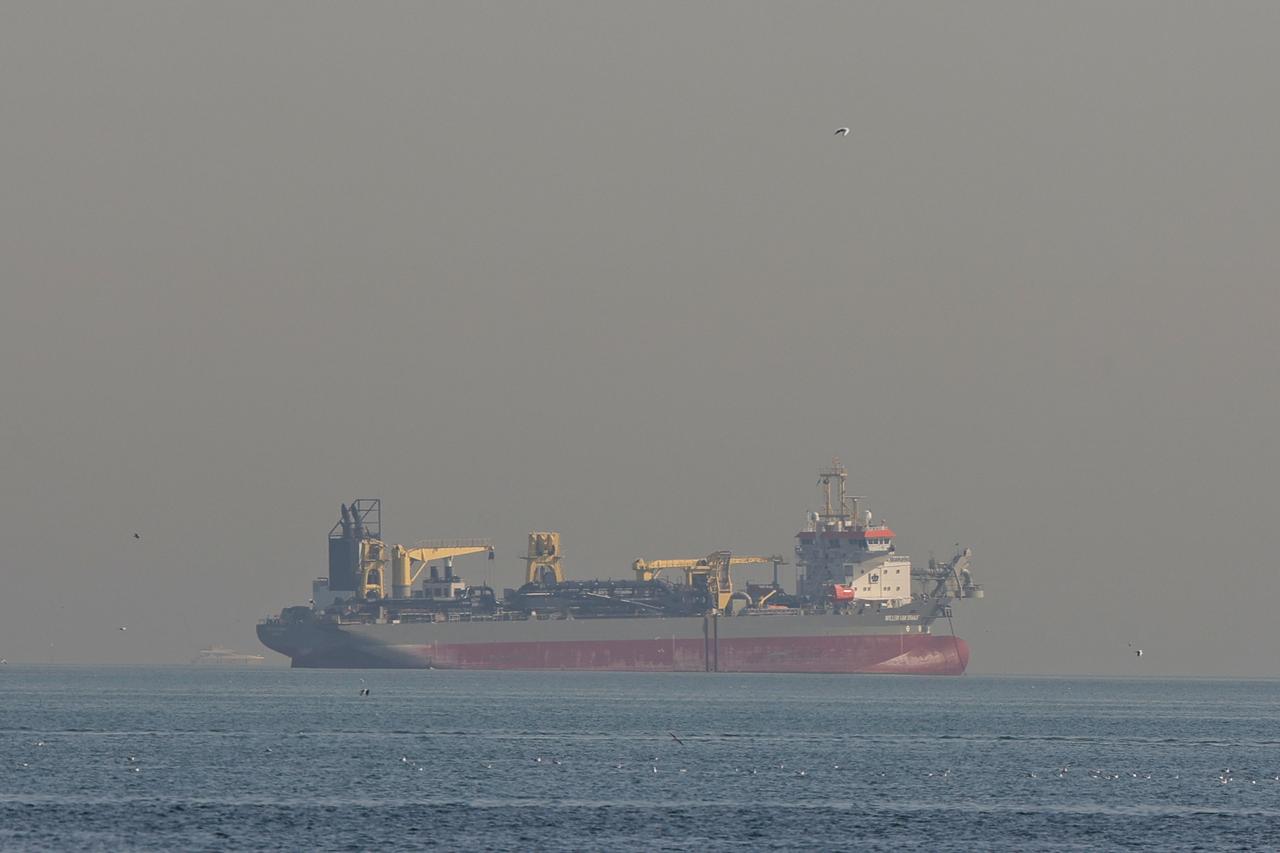
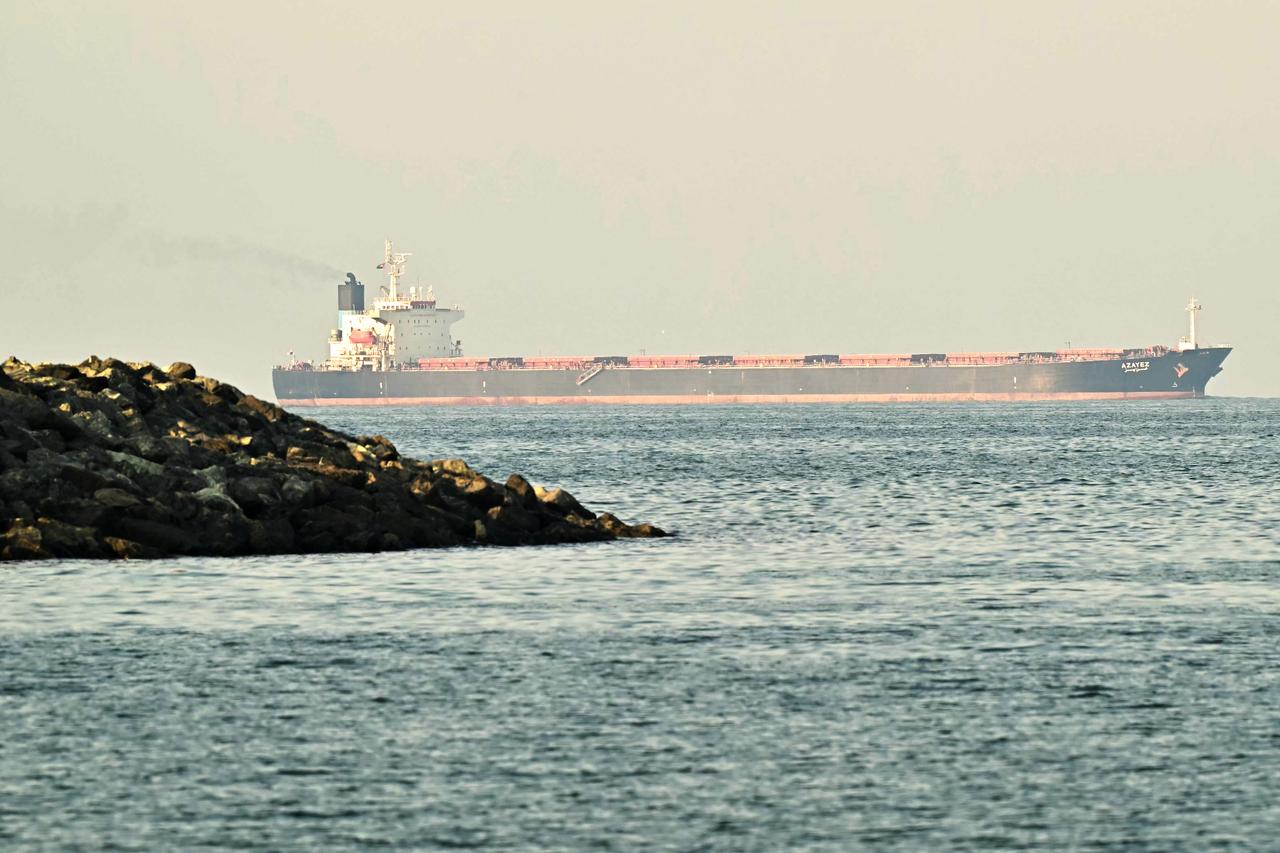
As clashes intensified and missile exchanges spread into the Gulf states following Iran’s retaliatory attacks, traffic through the Strait of Hormuz—a narrow passage that carries about 20% of global seaborne oil trade—was disrupted as security risks rose and insurance costs climbed.
With shipments effectively stalled, an estimated 15 million barrels of crude per day were kept off the market.

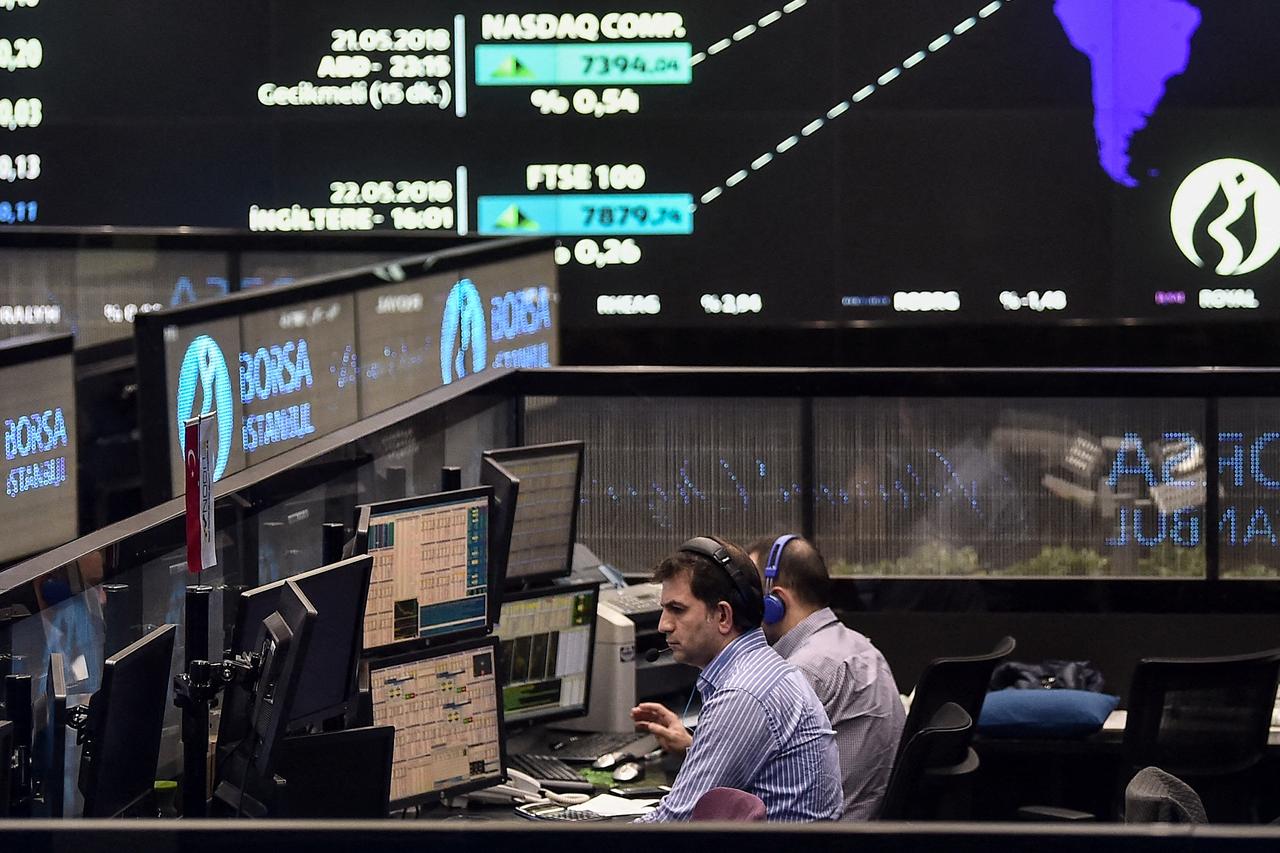
Equity markets in Asia moved lower as investors weighed the risk that sustained energy price gains could reignite global inflation and dampen consumer demand.
Among major indexes, Japan’s Nikkei fell about 1.4%, Hong Kong’s Hang Seng dropped 1.9%, and South Korea’s Kospi—which had posted record gains since the start of the year—slipped about 1%.
Currencies of energy-importing economies came under pressure, while the U.S. dollar strengthened on safe-haven demand.
The U.S. dollar index rose 0.5% to above 98, marking its highest level since January.
Unless clear signs of de-escalation appear, oil prices may stay elevated. On the timeline, U.S. President Donald Trump said Sunday that the campaign against Iran could last about four weeks.


 Set as preferred source
 Set as preferred source


 1 min read
 1 min read