Newsletters


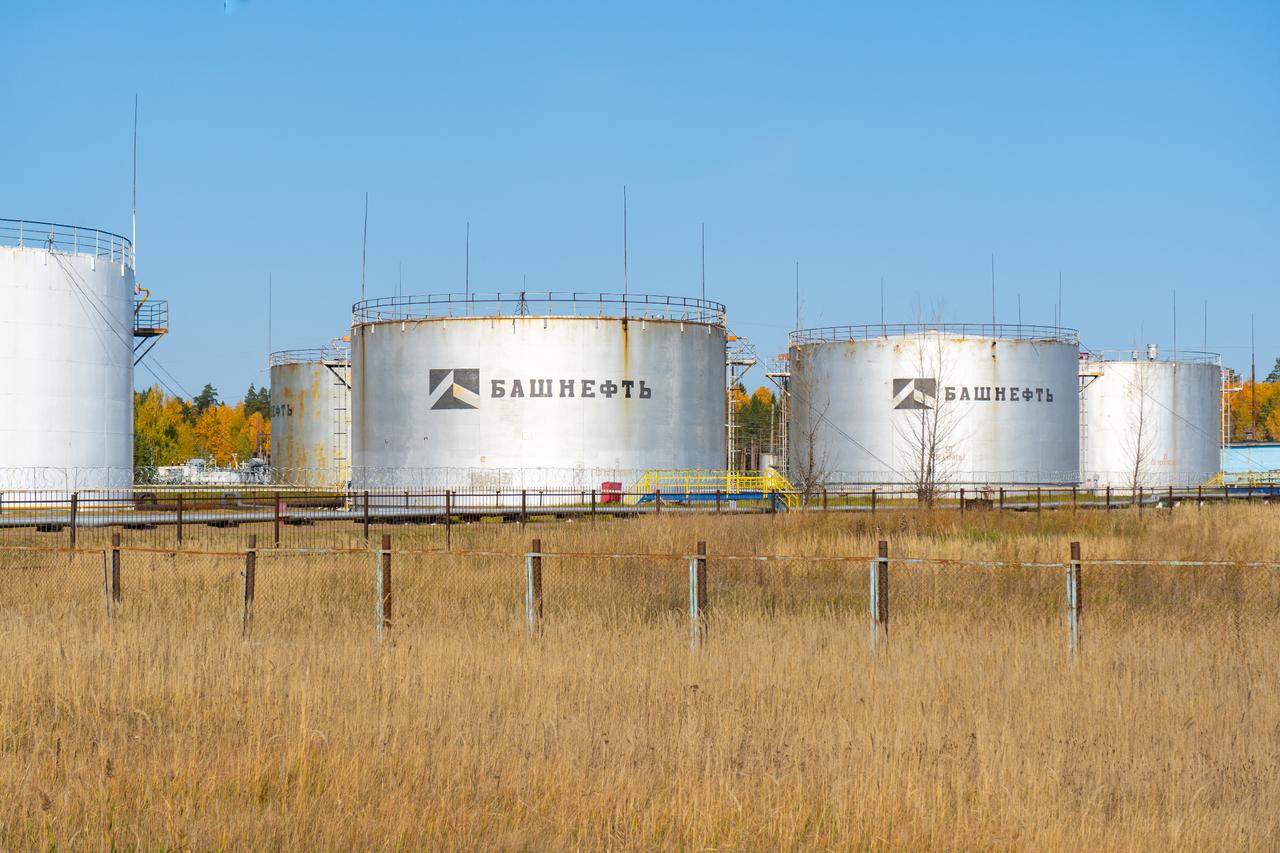


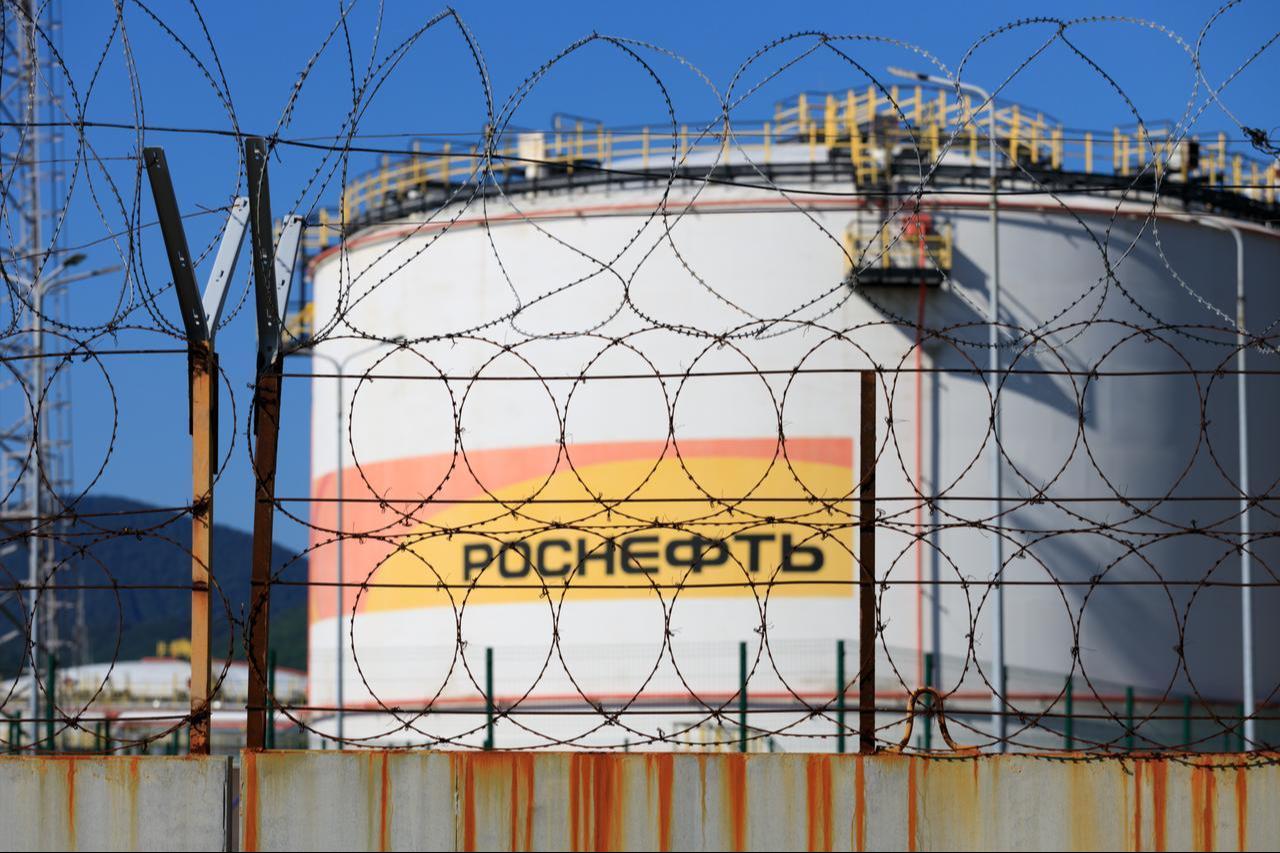
Russia’s oil export earnings jumped sharply in March, reaching $19 billion as eased sanctions and rising prices boosted shipments amid the Middle East conflict, while the global market faces what the International Energy Agency (IEA) describes as an unprecedented disruption.
Moscow’s oil revenues climbed as crude and refined product exports rose to 7.1 million barrels per day, an increase of 320,000 barrels per day from February levels, the IEA reported Tuesday.
The uptick followed a U.S. decision to relax certain restrictions on Russian crude sales imposed after the Ukraine war. The temporary measure allowed buyers to take delivery of cargoes already at sea until April 11.
At the same time, global oil prices pushed above $100 per barrel, lifting the value of Russia’s flagship Urals crude to its highest level in a decade.
While supply-side gains supported Russia’s revenues, the broader demand picture darkened. The IEA warned that global oil demand is set to decline this year for the first time since the COVID-19 shock, driven by war-related disruptions in the Middle East.
The closure of the Strait of Hormuz and damage to energy infrastructure have triggered sharp price increases, forcing industries and countries to scale back consumption. Demand destruction is expected to intensify as high prices persist, the agency noted.
The IEA’s base-case scenario assumes oil flows through Hormuz resume in May. Under this outlook, demand is projected to drop by 1.5 million barrels per day in the second quarter.
Global demand already contracted by 800,000 barrels per day in March and is expected to fall further by 2.3 million barrels per day in April.

A longer closure of the Strait would deepen the downturn. In a prolonged scenario, the IEA estimates demand could shrink by an average of 5 million barrels per day for the rest of the year. Such conditions would force global markets and economies to brace for extended disruption, the agency cautioned.
For 2026 as a whole, global oil use is now expected to decline, reflecting both the ongoing blockade and damage to Gulf energy infrastructure following retaliatory strikes. The IEA revised its annual outlook, now forecasting a drop of 80,000 barrels per day instead of the previously expected growth of 730,000 barrels per day.
The supply side has already absorbed a major hit. More than 360 million barrels were removed from the market in March alone, with losses projected to reach 440 million barrels in April. Total global oil supply fell to 97 million barrels per day in March, down by 10.1 million barrels per day.
The agency characterized the current situation as the largest disruption in oil market history, warning that uncertainty around a lasting diplomatic resolution could further amplify economic strain worldwide.


 Set as preferred source
 Set as preferred source


 1 min read
 1 min read