Newsletters


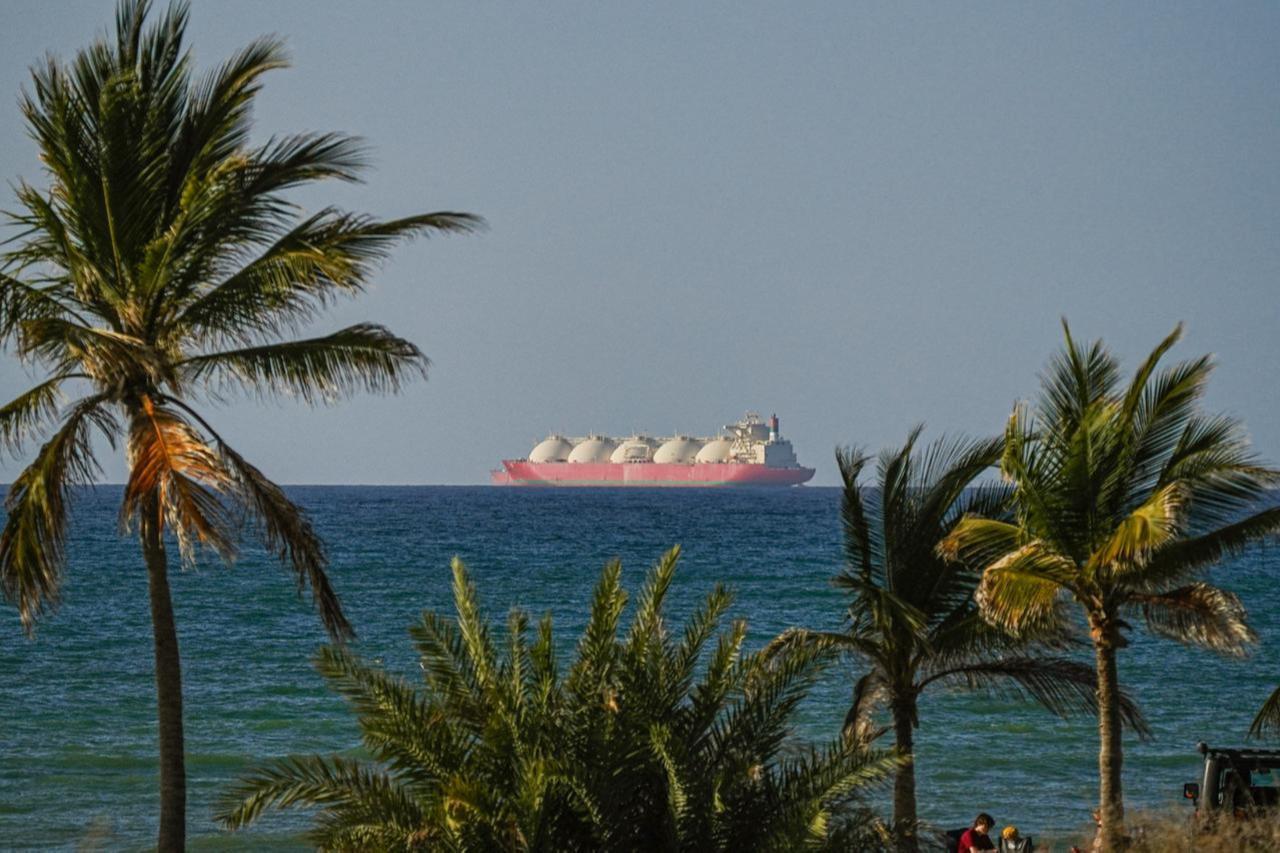


The U.S. Central Command (CENTCOM) said Tuesday its forces had “completely halted” maritime commerce linked to Iran within 36 hours of launching a naval blockade, while independent tracking data showed that vessels departing Iranian ports had still moved through the Strait of Hormuz.
"In less than 36 hours since the blockade was implemented, U.S. forces have completely halted economic trade going into and out of Iran by sea," CENTCOM commander Adm. Brad Cooper said.
The blockade targets all vessels entering or leaving Iranian ports. CENTCOM noted that enforcement applies to ships of all nationalities operating in the Gulf and the Gulf of Oman.
At the same time, the command underlined that it would not obstruct vessels transiting the Strait of Hormuz if they were not bound for Iranian ports.
During the first 24 hours of the operation, no ships were reported to have breached the blockade, according to CENTCOM. Six merchant vessels complied with U.S. instructions and reversed course, re-entering Iranian ports in the Gulf of Oman.
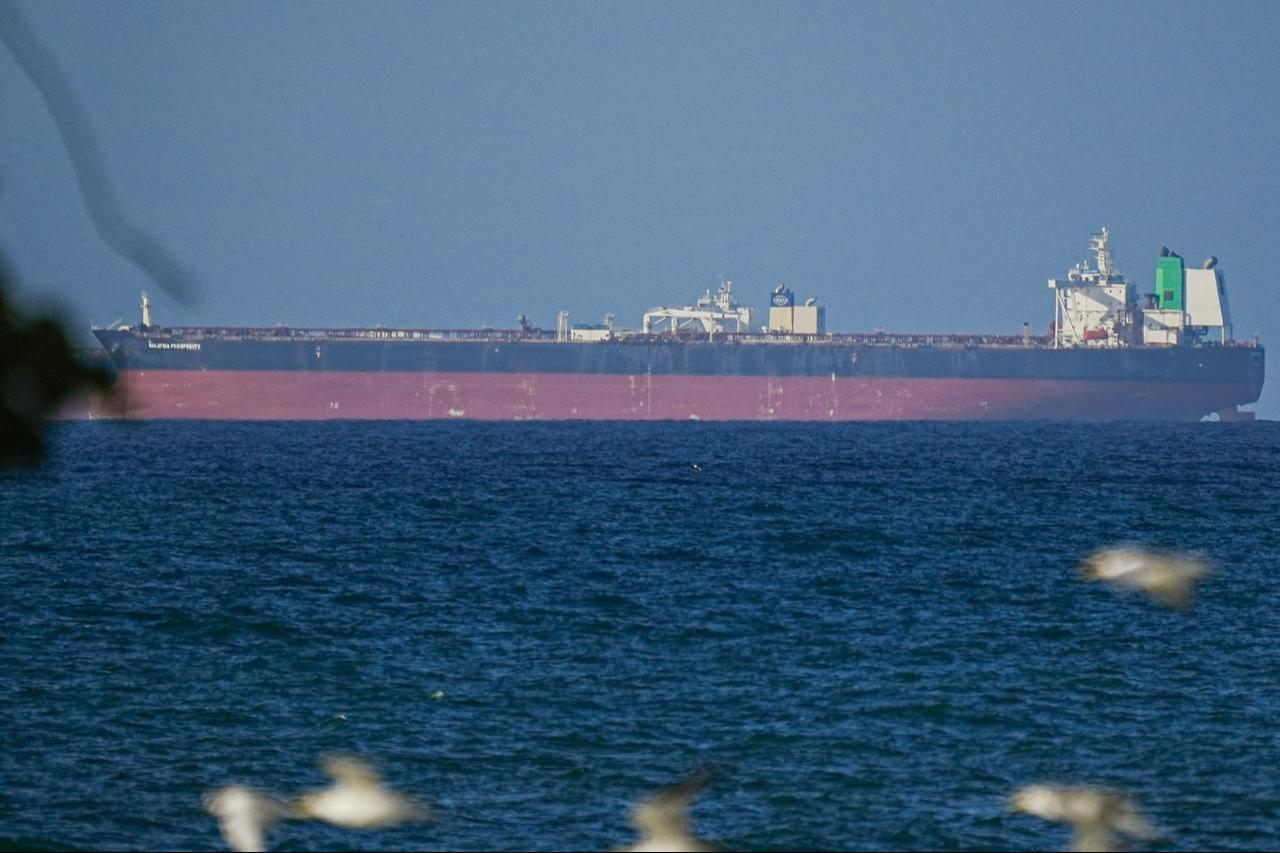

At least three ships departing Iranian ports crossed the Strait of Hormuz after the blockade took effect, while several others later altered course and turned back, according to shipping data provider Kpler. In total, at least seven Iran-linked vessels were recorded passing through the strait after the blockade began.
Along with those ships, several U.S.-sanctioned vessels also transited the strait, including the Chinese tanker Rich Starry, identified as the first to cross following the announcement.
After U.S.-Iran talks in Islamabad stalled on Saturday, President Donald Trump moved to blockade Iranian ports and the Strait of Hormuz starting 2 pm GMT Monday.
A U.S. official cited by the Wall Street Journal said naval forces had intercepted eight oil tankers attempting to enter or exit Iranian ports since the operation began, but about 20 commercial ships still passed through within 24 hours.


 Set as preferred source
 Set as preferred source


 1 min read

 1 min read