Newsletters


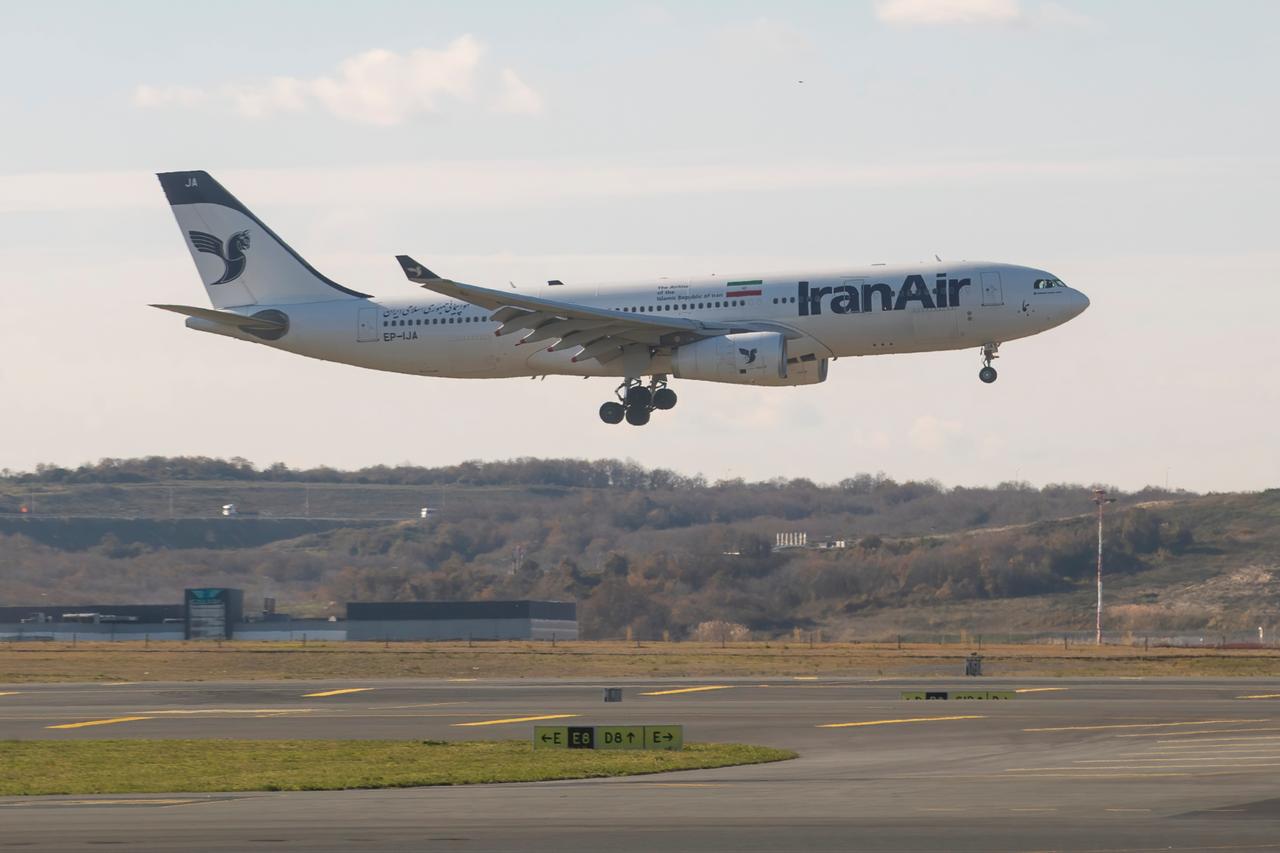


The U.S. will sanction companies and governments that support Iranian airlines, Treasury Secretary Scott Bessent said Monday, warning that any business tied to sanctioned carriers could face penalties.
The warning lands as part of a broader push to tighten economic pressure on Iran during the ongoing fallout from the U.S.-Israeli war, he explained.
Bessent urged foreign authorities to block services such as fuel supply, maintenance, catering and airport fees for those aircraft. He added that the Treasury would move against third parties facilitating such operations, signaling that enforcement could extend beyond direct actors.
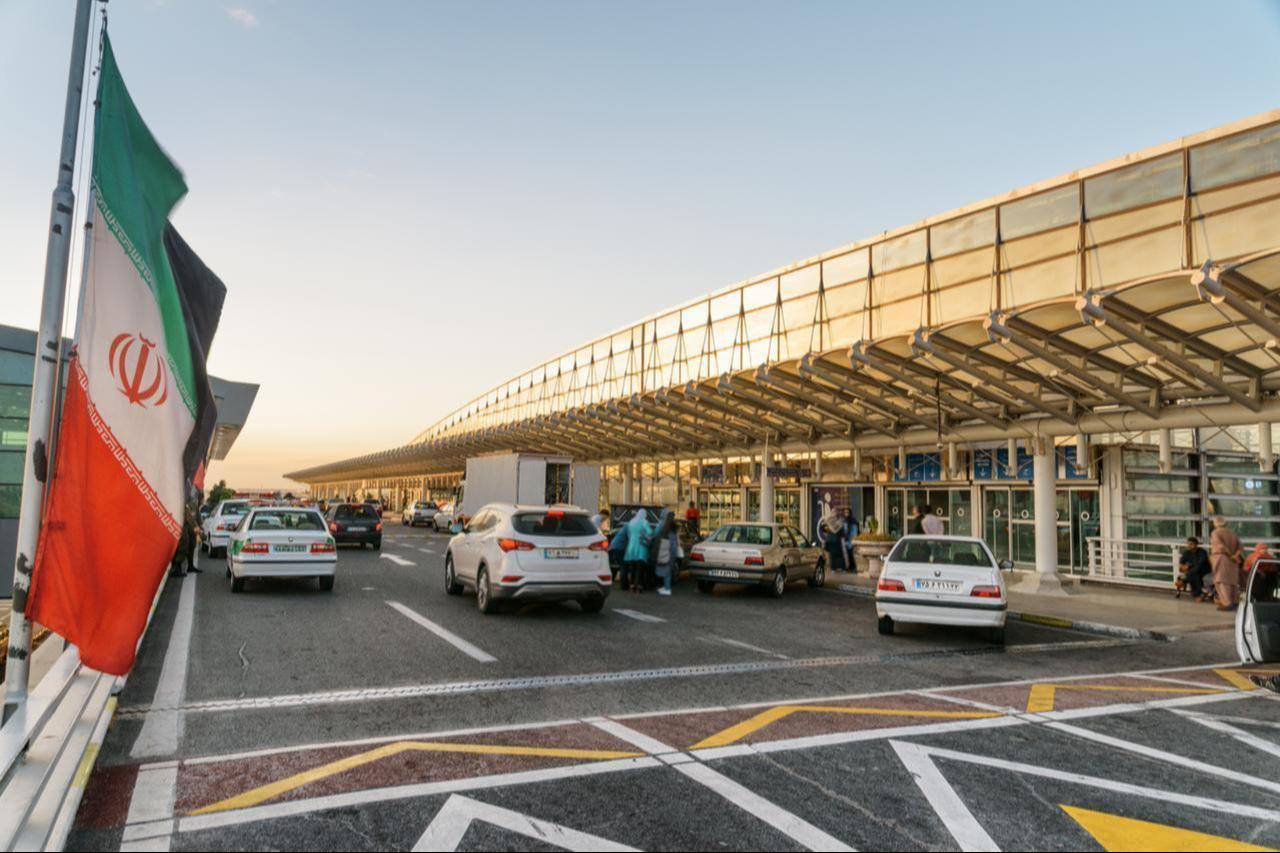
Iran has started restoring limited commercial routes, with flights resuming from Tehran over the weekend, the first departures since the conflict began, serving destinations including Istanbul, Muscat, Medina, and cities in Iraq and Qatar.
The restart comes under a fragile ceasefire that has held for nearly three weeks, following a sharp escalation that began with U.S. and Israeli strikes on Feb. 28 and subsequent Iranian retaliation.

A U.S. official told Reuters that Washington is prepared to impose secondary sanctions on foreign financial institutions that continue to facilitate Iranian-linked activities, expanding the scope beyond direct actors.
The Treasury has already stepped up its campaign, going after networks tied to Iran’s oil trade and warning international banks — including some in China — against processing related transactions. Letters sent to financial institutions flagged potential penalties if they keep handling payments linked to Iranian exports.
Officials frame the approach as a “financial stranglehold” designed to curb Tehran’s access to global markets and revenue streams. The effort is also meant to deter third-country intermediaries, as U.S. authorities look to close loopholes that have allowed Iranian trade flows to persist despite existing sanctions.


 Set as preferred source
 Set as preferred source


 1 min read
 1 min read