Newsletters


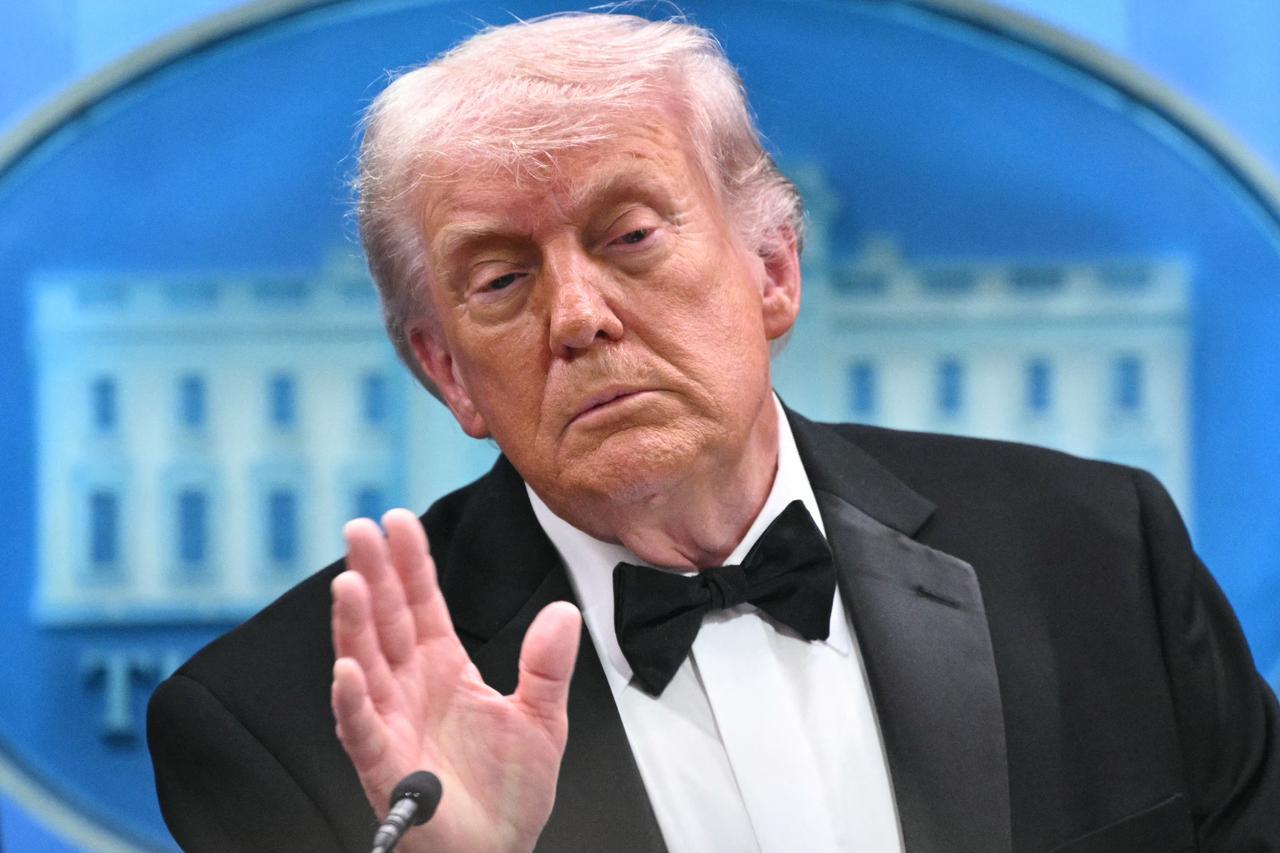


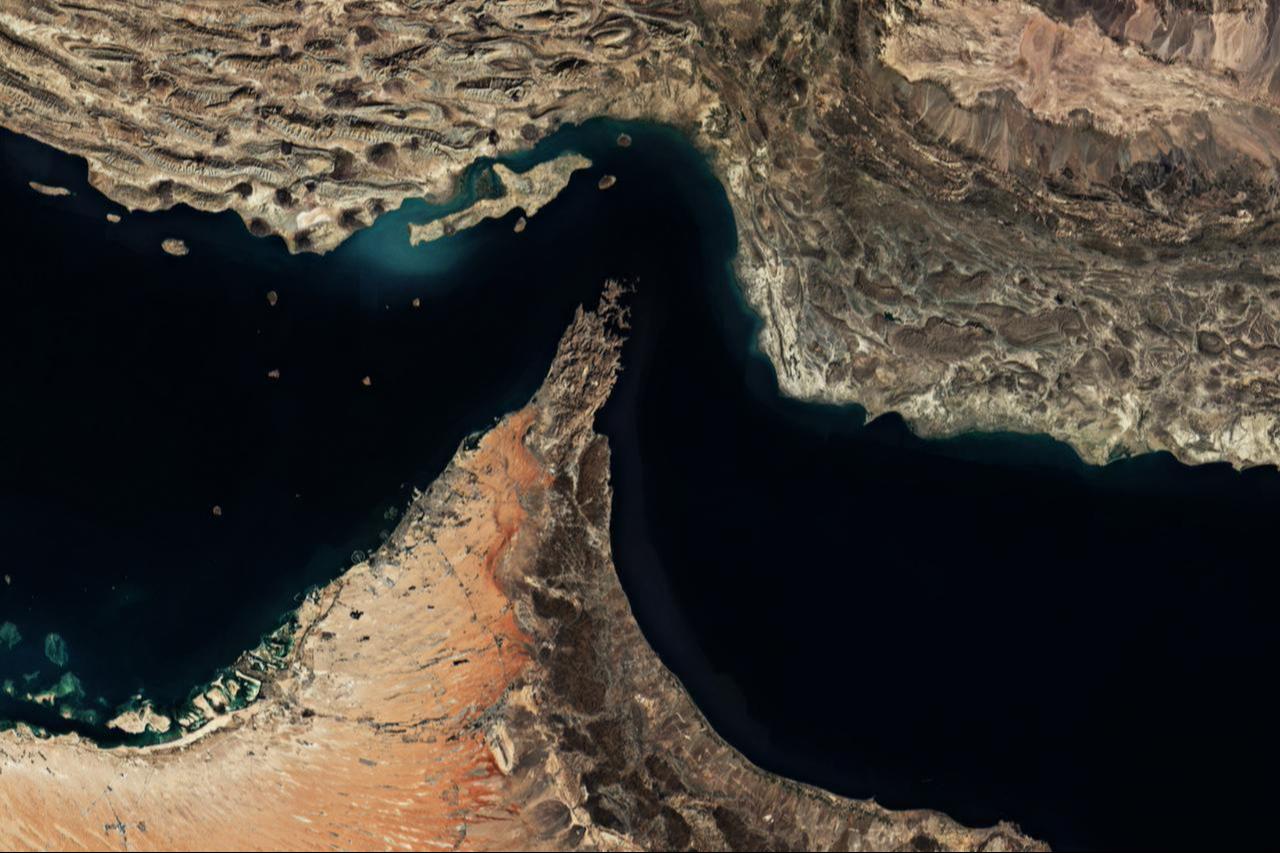
U.S. President Donald Trump signaled on Monday that he was unlikely to accept Iran’s latest proposal to end the conflict, after Tehran put forward a plan that would reopen the Strait of Hormuz while pushing questions over its nuclear program into later talks, according to reports.
Trump conveyed his position during a Monday meeting with top national security officials, reports suggested, adding that the president was dissatisfied with the proposal as the key nuclear issue remained unaddressed.
Iran’s proposal would set aside discussions on its nuclear activities until after the conflict ends and maritime disputes in the Gulf are resolved, Iranian sources told Reuters earlier on Monday.
Washington, however, has taken a firm line that nuclear issues must be addressed from the outset.
U.S. officials argue that reopening the Strait of Hormuz without resolving concerns over uranium enrichment and stockpiles would remove a key source of leverage in negotiations.
The proposal also outlines a plan to extend the ceasefire for a longer period or make it permanent, Axios reported earlier.

Efforts to bridge differences have not stopped entirely. Sources from Pakistan involved in mediation told Reuters that diplomatic work between Washington and Tehran is ongoing.
However, momentum has weakened after Trump canceled a planned visit to Islamabad by special envoy Steve Witkoff and senior adviser Jared Kushner over the weekend.
At the same time, Trump has shown skepticism about restarting the U.S. bombing campaign, which remains paused after he extended a ceasefire last week, according to CNN.
The White House has declined to comment on the details of the negotiations.
"These are sensitive diplomatic discussions and the U.S. will not negotiate through the press," assistant press secretary Olivia Wales said in a statement to CNN, adding that any agreement must prevent Iran from obtaining a nuclear weapon.


 Set as preferred source
 Set as preferred source


 2 min read
 1 min read