Newsletters




Treasury and Finance Minister Mehmet Simsek told international investors that Türkiye is positioning itself to capitalize on post-Iran war openings, framing the current geopolitical shift as a moment to accelerate reforms under a "never waste a crisis" approach.
Speaking in New York on Tuesday, Simsek placed structural transformation at the center of policy, signaling that recent shocks are being used to push forward long-delayed reforms and strengthen the country’s economic foundations.
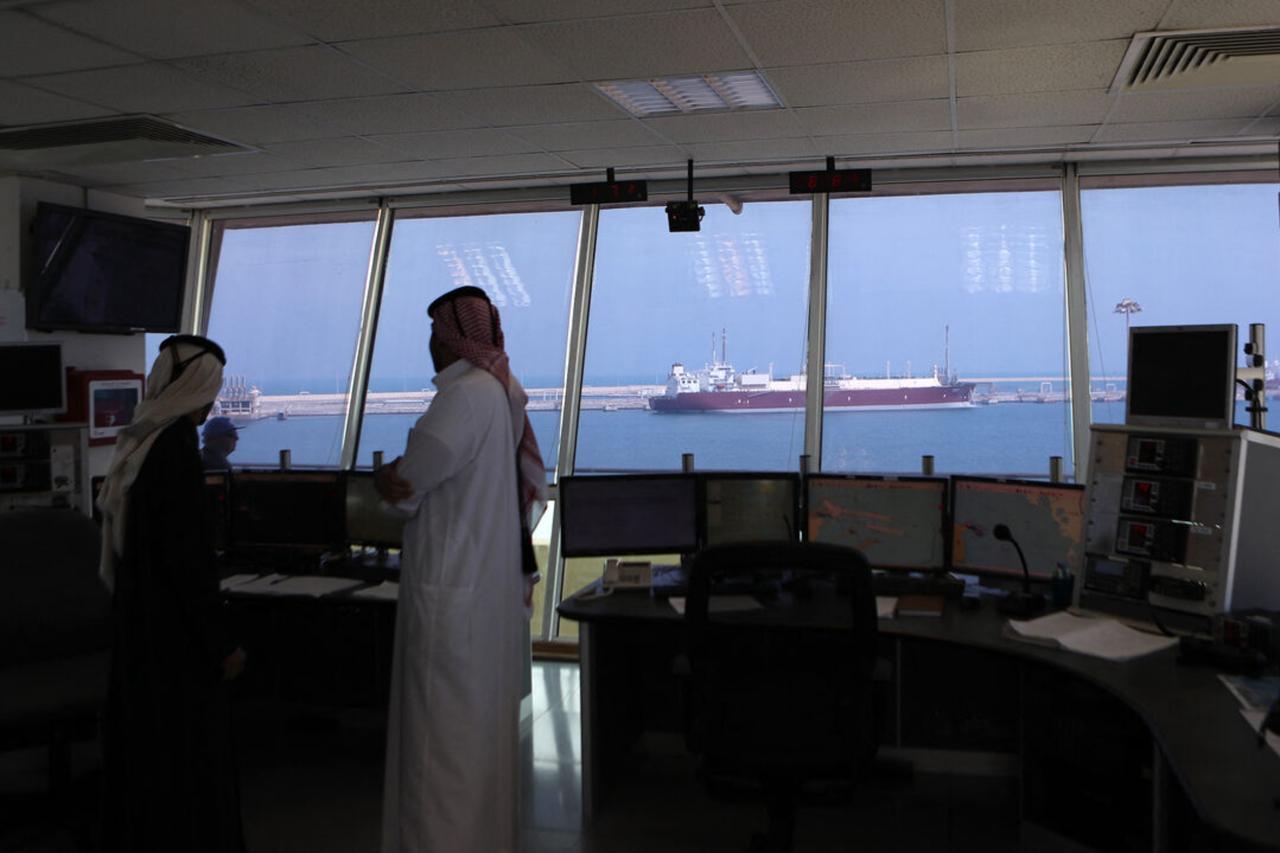
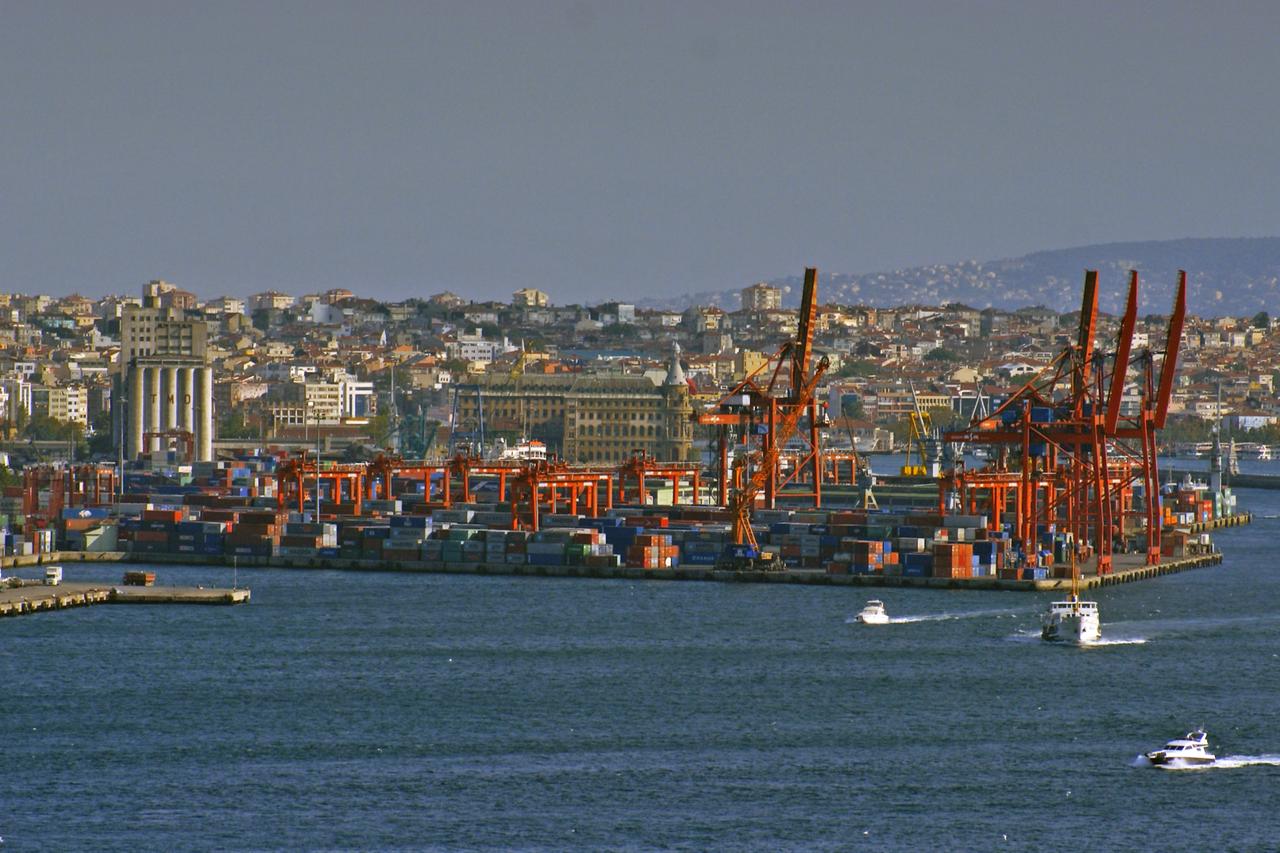
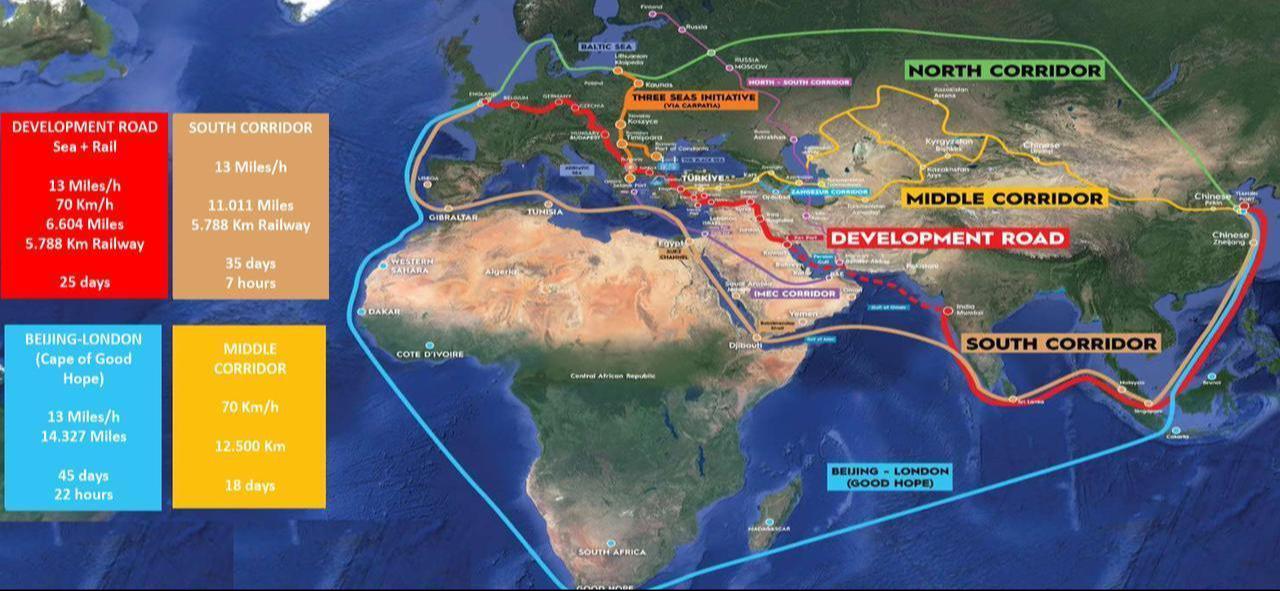
In his presentation, Simsek pointed to a changing regional landscape following the Iran war, with Türkiye aiming to benefit from new trade routes, reconstruction demand, and evolving energy flows.
He highlighted that supply chain reconfiguration and infrastructure rebuilding across nearby regions are key drivers of a potential multi-year demand cycle, while Türkiye’s geographic position supports its role as a logistics and energy hub.
The defense industry emerges as a central pillar in this outlook, with exports expanding and new orders reaching $18 billion in 2025, reinforcing its position among leading global suppliers.
Growth potential also extends to services, tourism, construction, and digital sectors, supported by rising export capacity and deeper integration with regional markets. Simsek framed these openings within a broader reform push designed to sustain long-term competitiveness.
Policy priorities include advancing industrial transformation, accelerating green and digital transition, and introducing new incentives to attract foreign direct investment and skilled labor.
The government also plans to expand domestic energy production, reduce import dependency, and strengthen infrastructure, particularly in transport and logistics.

Despite external pressures, Simsek maintained that the macroeconomic impact of recent geopolitical tensions remains manageable, pointing to a policy mix anchored in tight monetary conditions and fiscal discipline.
Türkiye’s economy continues to lean on strong buffers, with relatively low public debt and controlled fiscal balances providing room to absorb shocks while maintaining policy credibility.
Inflation remains on a steady downward path, easing from 64.8% in 2023 to 44.4% in 2024 and 30.9% in 2025, with projections guiding it toward the central bank’s 15–21% target range in 2026.
Energy prices, however, pose an upside risk. Oil averaging around $80 per barrel could add between 2.8 and 3.5 percentage points to inflation, while trimming growth by 0.5 to 1.2 percentage points.
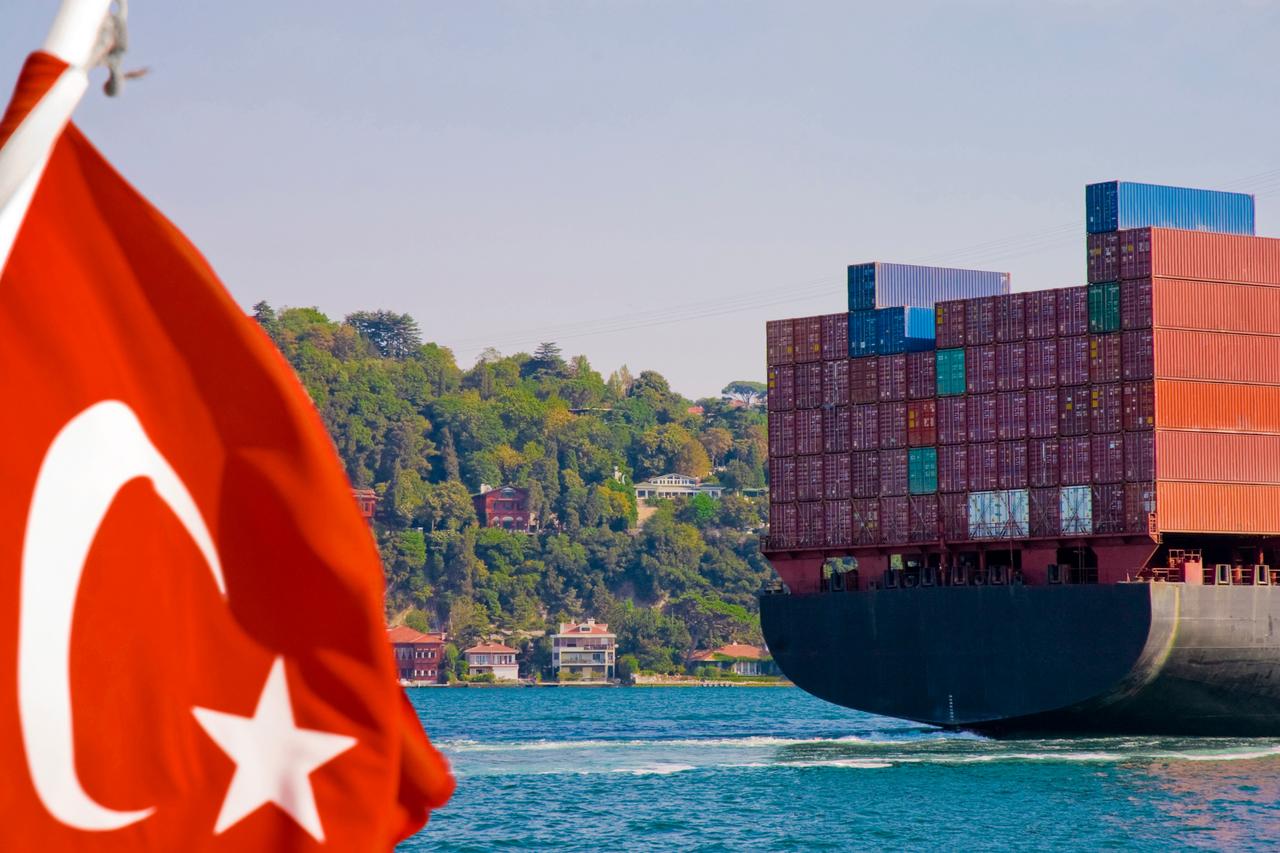
Even so, external balances are gradually improving. Rising services exports, which reached $122.3 billion and generated a $59.7 billion surplus, are helping offset structural pressures in the current account, reinforcing the broader disinflation process and supporting macroeconomic stability, he emphasized.


 Set as preferred source
 Set as preferred source


 1 min read
 1 min read