Newsletters


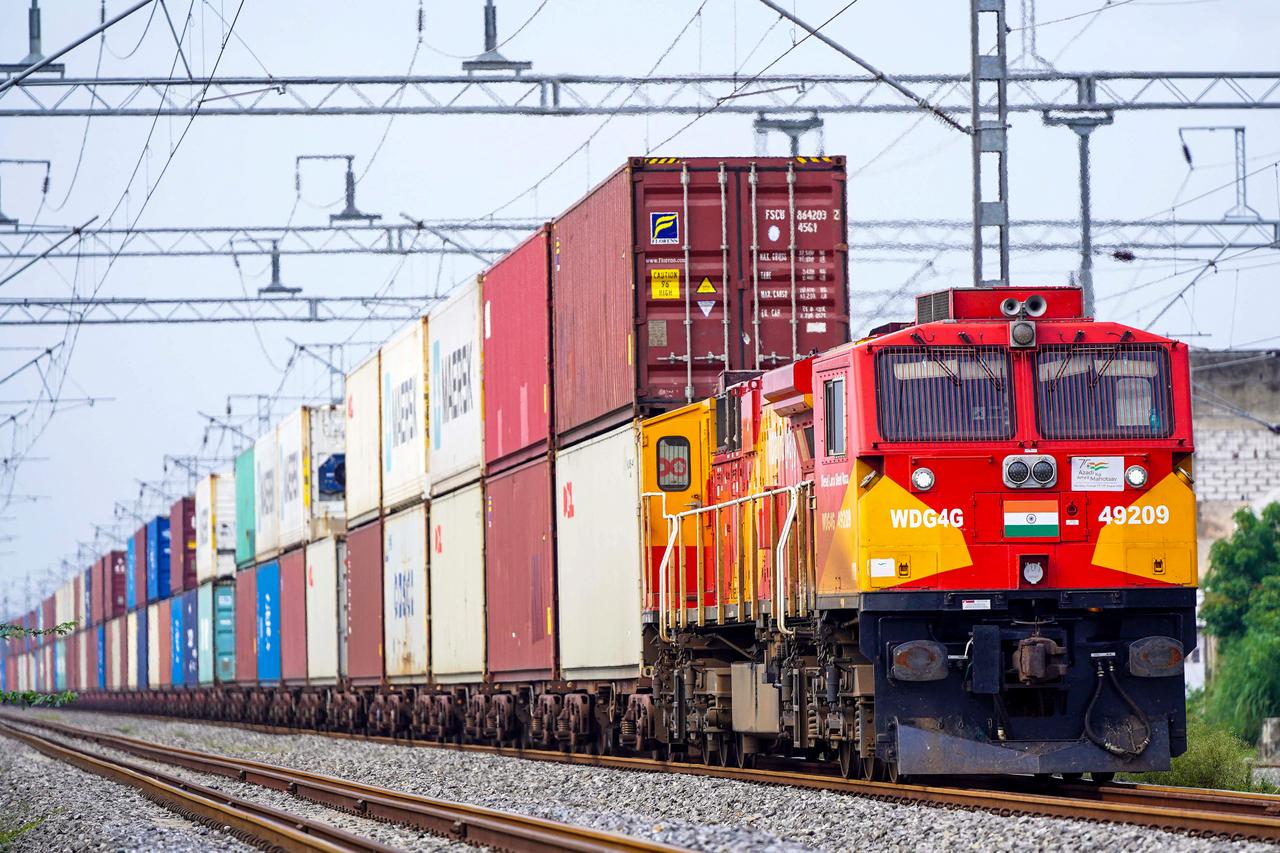


The European Union and India concluded negotiations on a wide-ranging free trade agreement on Tuesday, finalizing a deal nearly two decades in the making.
Touted as the "mother of all deals," the pact creates a free trade zone encompassing two billion people and promises deep economic and strategic cooperation between the world's largest democracies.
The agreement will slash or eliminate tariffs on nearly 97% of EU exports, potentially saving European companies up to €4 billion ($4.75 billion) annually in duties. It also includes what European Commission President Ursula von der Leyen called "the highest level of access ever granted to a trade partner in the traditionally protected Indian market."
As part of the deal, India will gradually lower tariffs on EU cars from 110% to 10% within a quota of 250,000 vehicles. Duties on European wines will fall from 150% to 20%, while tariffs on processed foods like pasta and chocolate, currently 50%, will be eliminated.
Industrial goods will also see broad reductions. Tariffs on EU machinery (up to 44%), chemicals (22%), and pharmaceuticals (11%) will be phased out. Agricultural duties averaging 36% will be lifted for most EU food exports, though items like beef, chicken, rice, and sugar are excluded.
In exchange, European firms will gain priority access to India’s financial services and maritime transport sectors. The EU expects its exports to India to double.
The deal also includes the first EU-India security and defense partnership, covering maritime security, defense tech, counterterrorism, cybersecurity, and space.
"This is not only about strengthening our economies," said Commission President von der Leyen. "We are also delivering security for our people in an increasingly insecure world."
Prime Minister Modi said the agreement would boost trade, investment, and innovation, adding that it covers 25% of global GDP and a third of global trade.
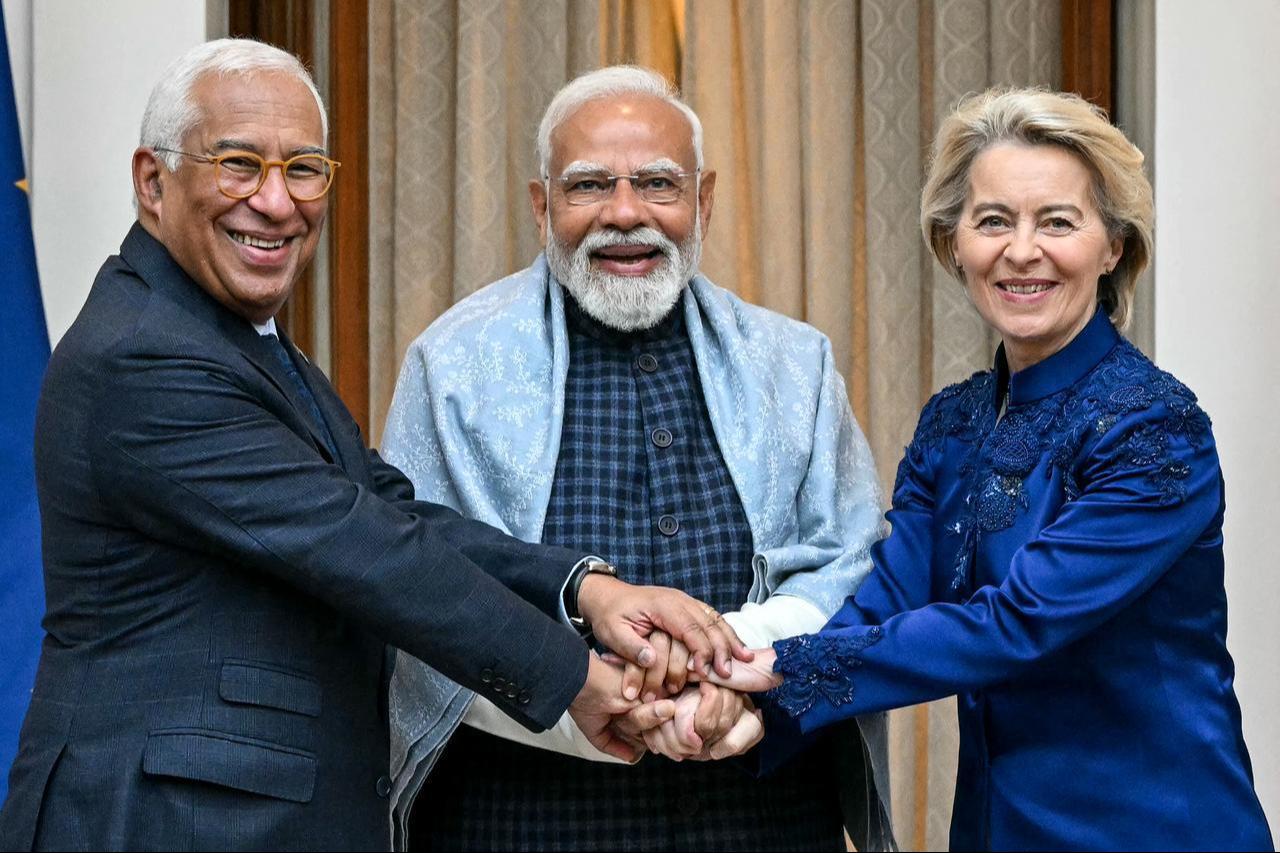

EU-India trade in goods reached €120 billion ($139 billion) in 2024, nearly double the figure from a decade ago, with services trade adding €60 billion ($69 billion). India’s Commerce Secretary Rajesh Agrawal said the deal is set to be signed later this year and may take effect early next year.
New Delhi sees the EU as a key source of technology and investment, while Brussels views India as a critical partner amid efforts to reduce reliance on the U.S. and China.
The deal also includes a mobility pact to boost people-to-people ties.
Talks began in 2007, were suspended in 2013, and resumed in 2022. At the signing in New Delhi, European Council President Antonio Costa called it “a historic moment,” saying the two sides are opening a new chapter in trade, security, and human exchange.
Both sides expect the deal to strengthen supply chains and support sustainable growth.


 Set as preferred source
 Set as preferred source


 2 min read
 1 min read