Newsletters


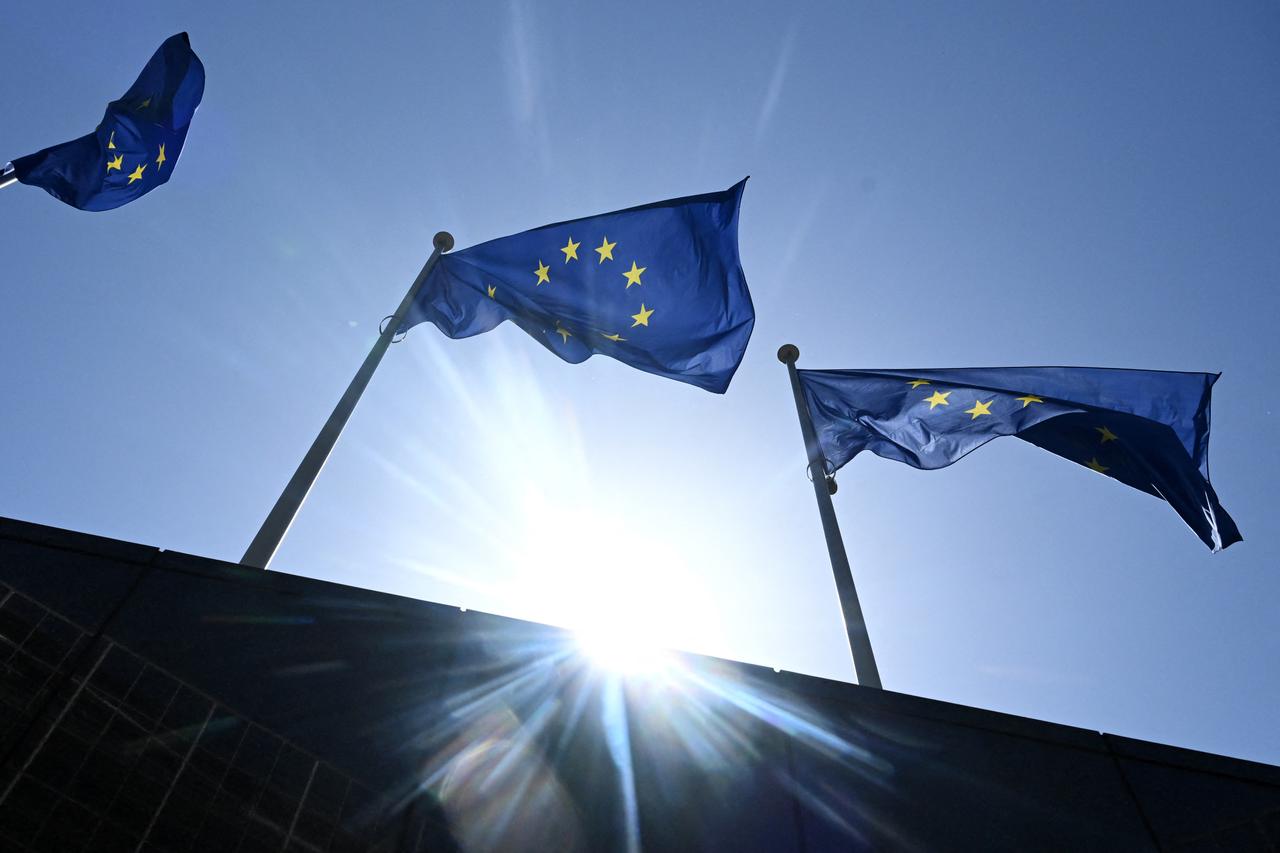


The European Union (EU) is considering freezing its price cap on Russian oil to prevent surging global energy prices driven by the Iran war from inadvertently delivering a financial windfall to the Kremlin, people familiar with the matter told Bloomberg.
The options under consideration would halt or limit an automatic July review that, under the bloc's current rules, would raise the cap from $44.10 per barrel to at least $65, well above the $60 ceiling previously set collectively by the Group of Seven (G7).
"Spokespeople for the European Commission declined to comment," Bloomberg reported.
Plans could change before member states adopt a final position, as sanctions require unanimous backing across the bloc.
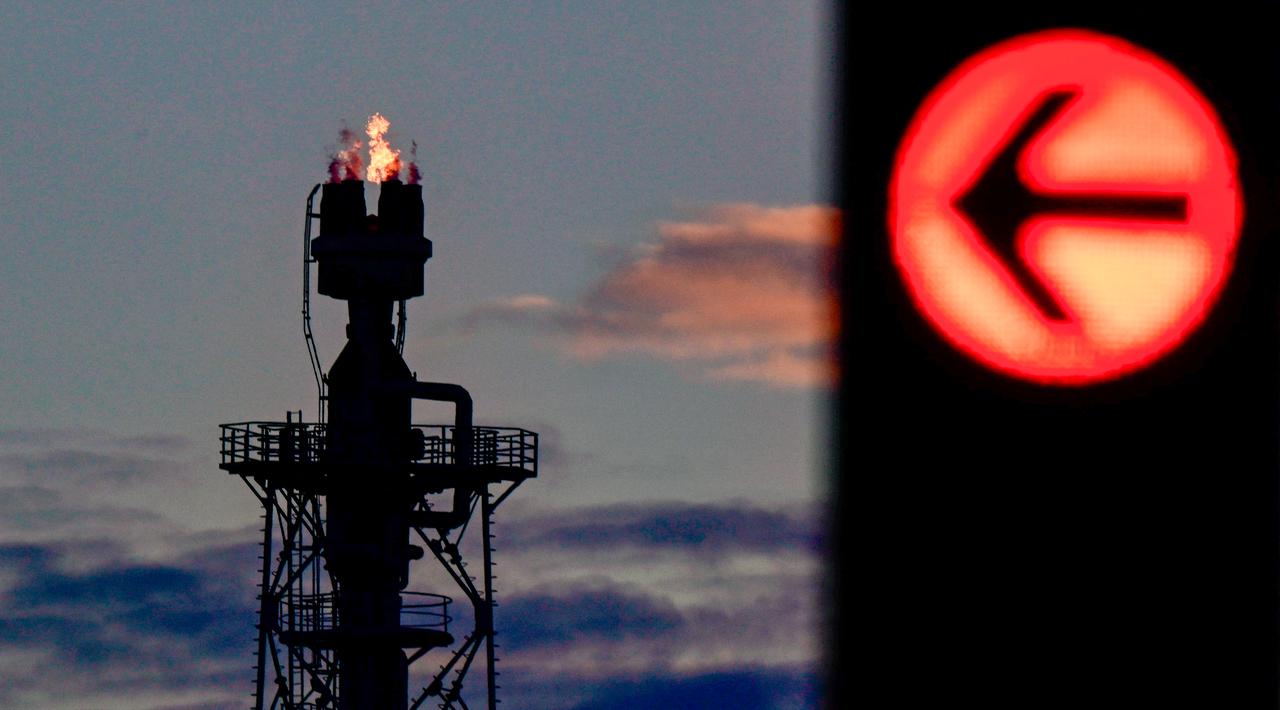

The EU adopted a dynamic mechanism last year designed to automatically set the price cap every six months at 15% below the average market rate for Russian Urals crude, a formula intended to tighten the screws on Moscow's oil revenues as the cap adjusts down relative to global prices.
The logic worked in both a falling and a stable market. But the Iran war, now entering its fourth month, and the effective closure of the Strait of Hormuz have sent oil prices sharply higher.
Without intervention, that market surge would mechanically push the cap upward, giving Russian exporters more room to profit and undermining the cap's purpose.
The three options under consideration are a full freeze, keeping the cap at the current $44.10, or, suspending the automatic increase mechanism through the end of the year in light of what officials describe as exceptional Middle East circumstances, or capping any increase at $60, returning it to the original G7-agreed threshold.
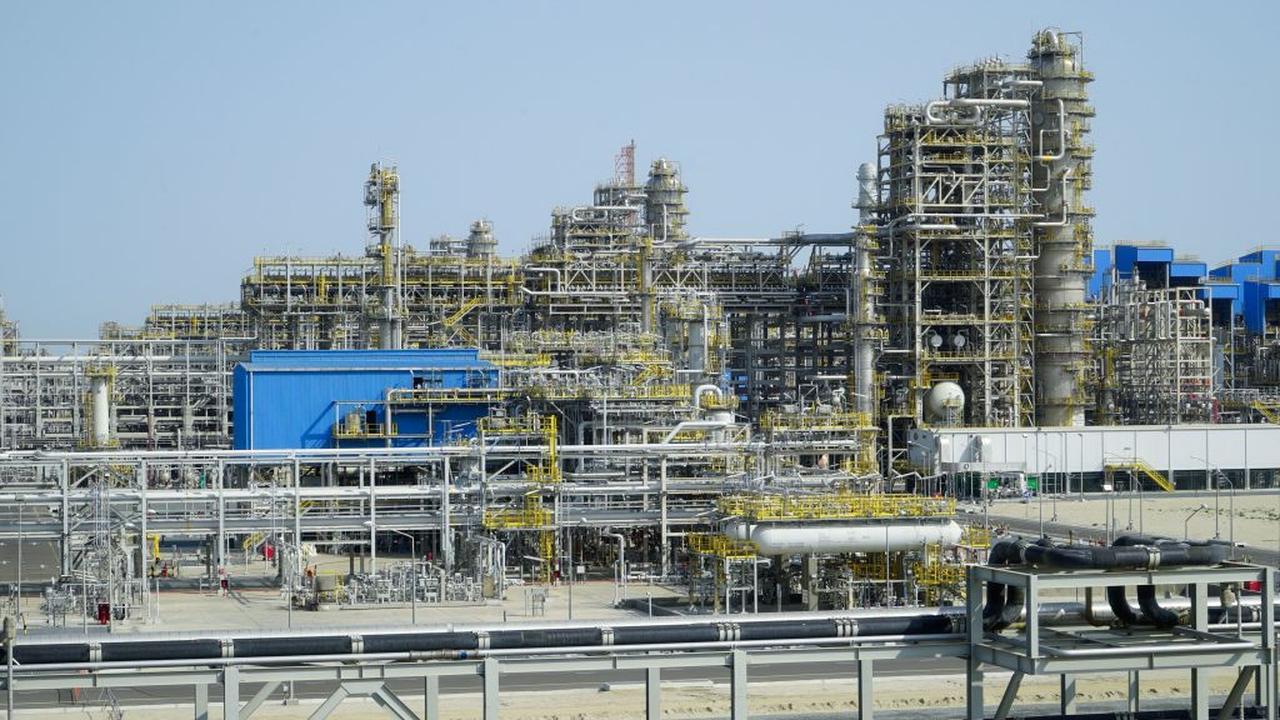
The price cap decision is part of the EU's 21st sanctions package since Russia's full-scale invasion of Ukraine in 2022. The European Commission is aiming to finalize and formally propose the package in early June. Member-state envoys were briefed on the plans last week.
Among the other measures under consideration is sanctioning roughly 20 additional vessels in Russia's shadow fleet of tankers used to move oil outside the reach of Western restrictions, with that regime eventually extended to ships carrying liquefied natural gas. The EU has already sanctioned hundreds of vessels and is now also considering targeting ships that provide services to sanctioned tankers.
The new package would also aim for banks, oil traders, refineries, and cryptocurrency operators in third countries used by Moscow to circumvent existing restrictions and impose export controls on approximately two dozen firms, including companies in China, India, Türkiye, and Central Asia, allegedly continuing to supply Russia with restricted goods found in weapons or needed to manufacture them, according to Bloomberg.
One measure unlikely to make the final package is a full ban on maritime services. Several member states continue to oppose that option because of ongoing volatility in the Middle East, and the step would also require broader G7 backing before the EU would move ahead.
Maritime nations such as Greece have repeatedly resisted changes to price caps.
Separately, the EU is in early-stage discussions over how to protect the clearing house Euroclear after a Moscow court judgment created the legal basis for Russia's central bank to potentially seize its assets.
The EU has already used emergency powers to indefinitely extend a freeze on up to €210 billion ($245 billion) in Russian central bank assets held predominantly through Euroclear.
The bloc's stated intention is to keep those assets immobilized until the war in Ukraine ends, and Russia pays reparations. Belgium and several other member states have opposed any move to seize the assets outright, leaving the standoff unresolved.
"Discussions on introducing a visa ban on former Russian combatants are also continuing," the people who spoke to Bloomberg said.


 Set as preferred source
 Set as preferred source


 2 min read