Newsletters


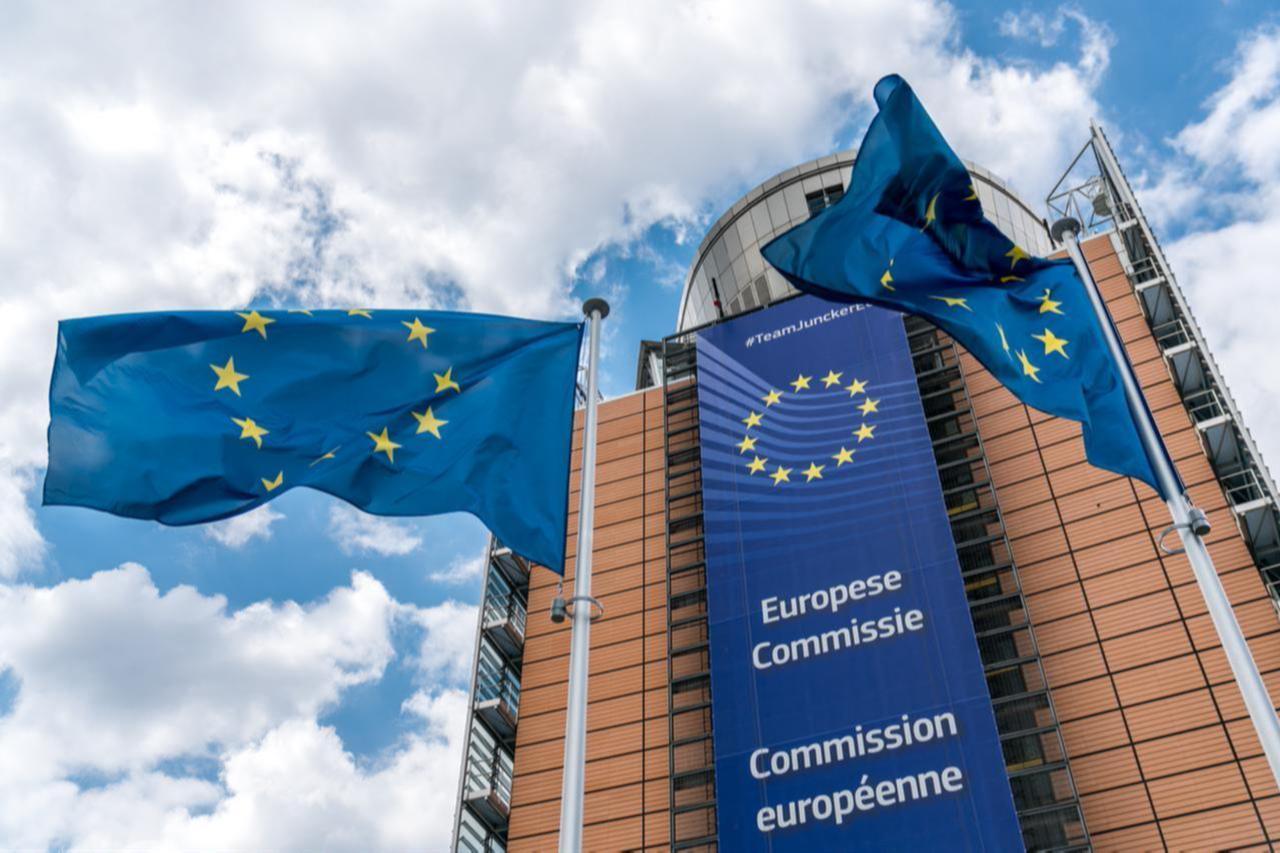


The European Union (EU) reached a political agreement on Wednesday to fully ban imports of Russian natural gas by autumn 2027, as part of efforts to end its reliance on Russian energy following the Ukraine war, the European Commission announced.
The deal, struck between representatives of the European Parliament and the Council presidency, introduces a binding, step-by-step ban on both liquefied natural gas (LNG) and pipeline gas imports from Russia, in line with the EU’s REPowerEU roadmap. The roadmap, launched in 2022, seeks to bolster the bloc’s energy resilience and independence.
The provisional agreement now awaits formal approval from the Council and the European Parliament, after which the Commission must review the regulation within two years of its adoption.
Under the new regulation, short-term supply contracts signed before June 17, 2025, will be subject to import bans from April 25, 2026, for LNG and from June 17, 2026, for pipeline gas.
For long-term contracts, the prohibition applies from Jan. 1, 2027, for LNG, in line with the EU’s 19th sanctions package.
The ban on long-term pipeline gas contracts will take effect by September 30, 2027, subject to EU storage targets being met, and no later than November 1, 2027.
All imports of Russian gas—including those under transition periods—will require prior authorization to enter the EU. Authorization requests must be submitted at least one month in advance for Russian-origin gas and between five and seven days in advance for non-Russian supplies, depending on the entry point.
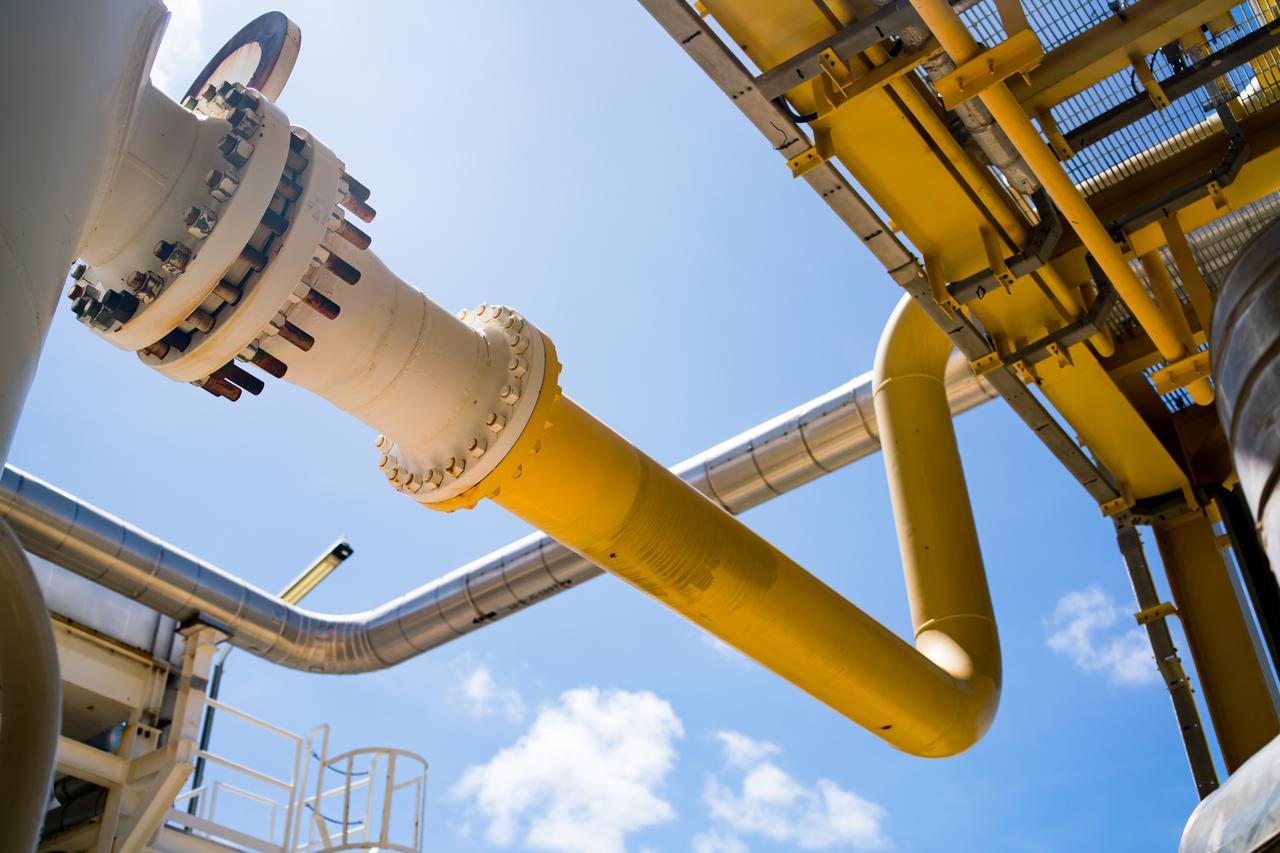

The deal also introduces a prior authorization system, exemptions for certain major gas-exporting countries, such as Hungary and Slovakia, and clear penalties for violations, applying to both companies and individuals.
It also keeps an emergency suspension clause, now subject to tighter conditions and limited to short-term contracts.
Each EU member state will be required to submit a national diversification plan detailing how it will transition away from Russian gas and, where applicable, Russian oil.
Countries must notify the European Commission within one month of the regulation’s entry into force, specifying whether they currently have Russian gas supply contracts or national legal bans in place.
The Commission also intends to propose legislation to phase out Russian oil imports by the end of 2027. Currently, oil imports from Russia account for less than 3% of the EU’s total, while gas imports stand at around 13%, valued at over €15 billion ($17.47 billion) annually.


 Set as preferred source
 Set as preferred source


 2 min read
 1 min read