Newsletters


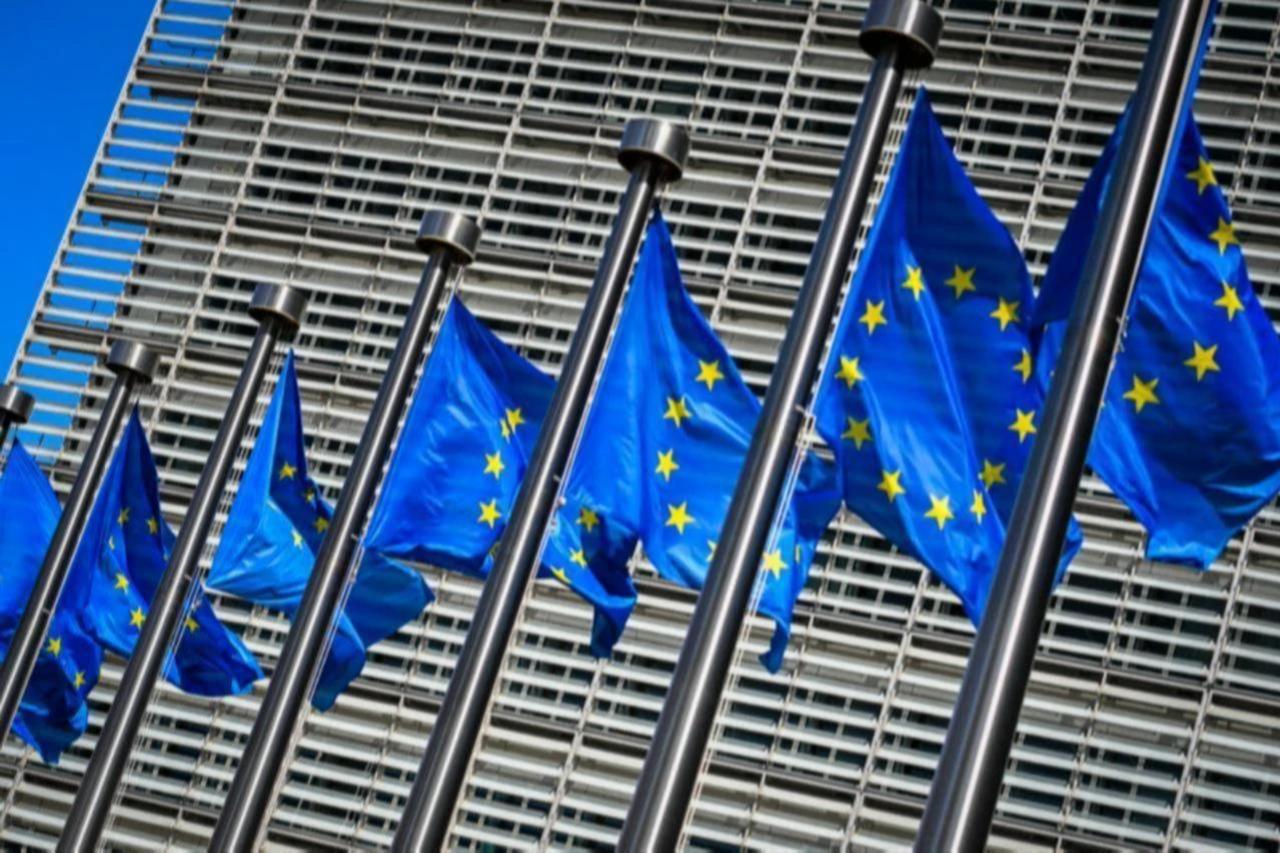


The European Commission raised its electrification target to 46% as part of a plan aimed at helping European Union (EU) countries save 260 billion euros (about $296 billion) a year by 2040 and strengthen energy security by reducing dependence on fossil fuels.
The commission announced its Electrification Action Plan, which sets out steps to accelerate the production and use of clean technologies across Europe.
According to information compiled by Anadolu Agency from the plan, the energy crisis that followed the U.S.-Israel-Iran war showed for the second time in five years the risks created by the EU's dependence on fossil fuels.
EU economies experienced their first major energy shock after Russian gas supplies were cut following the start of the Russia-Ukraine war in 2022. Sharp increases in oil and gas prices caused wide-ranging economic effects across the bloc.
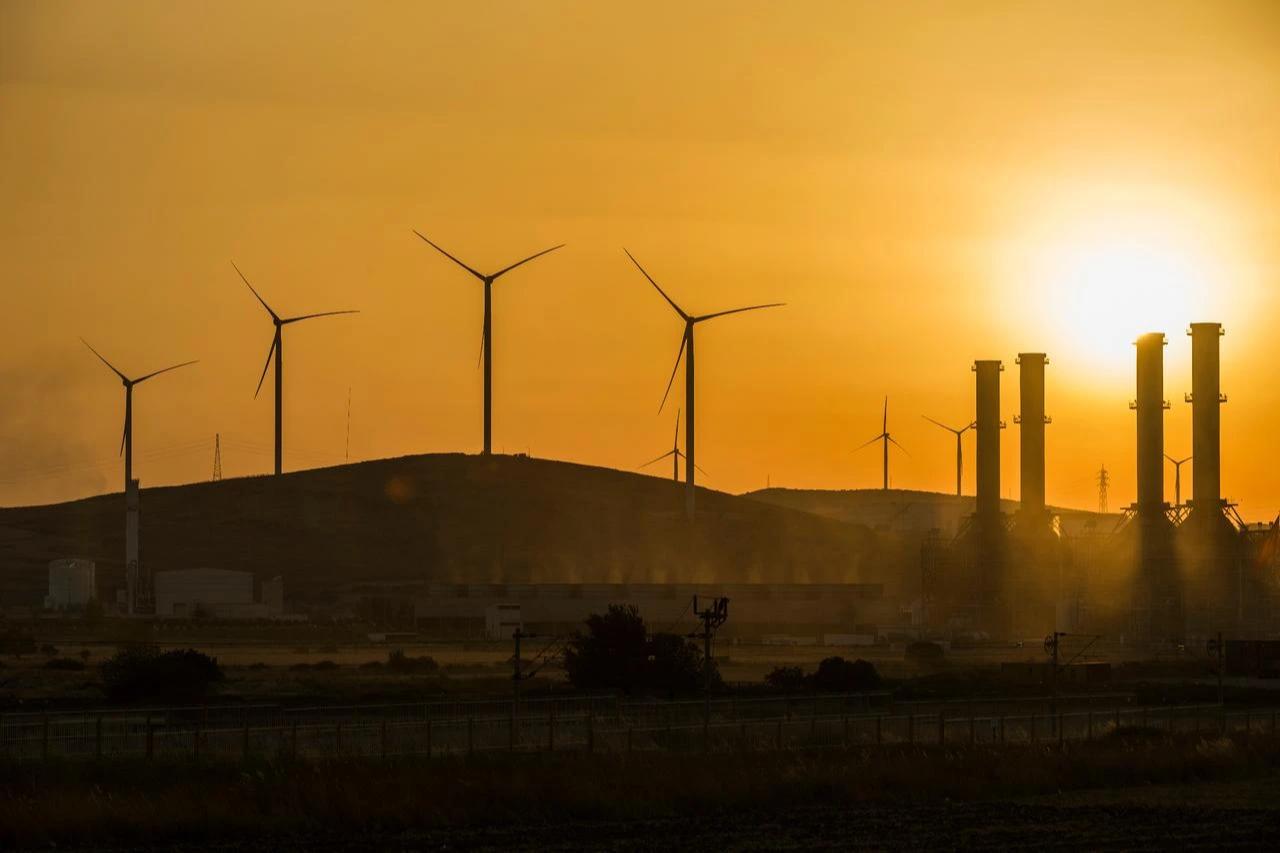

The EU paid over 50 billion euros in additional bills for fossil fuel imports because of rising prices caused by the war in the Middle East.
The rising energy bill has created inflationary pressure while also contributing to interest rate hikes.
Since about half of the bloc's energy consumption depends on imported fossil fuels, geopolitical tensions create what the plan describes as a "structural vulnerability."
Within this framework, the EU is increasing electrification to improve energy security, protect economies against sharp price movements and reduce dependence on fossil fuels.
The plan projects that an accelerated energy transition centered on electrification could reduce the EU's natural gas imports by more than 70% and crude oil imports by more than 40% by 2040.
Under the plan, the EU estimates it could reduce its fossil fuel bill by 260 billion euros a year by 2040.
The commission set a target of raising electrification to 46% by that year, describing it as a "non-legally binding target."
The 46% target would be twice the EU's current electrification level.
The bloc's electrification rate has remained around 23% for about 10 years.
The EU's move to accelerate electrification came after Türkiye, which will host this year's 31st Conference of the Parties to the United Nations Framework Convention on Climate Change (COP31), announced a global target under its summit presidency to "raise electrification to 35% by 2035."
Under the Electrification Action Plan, the EU aims to accelerate the production and use of clean technologies in Europe.
Faster electrification is seen as key to increasing the competitiveness of European economies, ensuring supply security and reducing energy costs.
To reach the 46% electrification target, the number of electric vehicles in the EU needs to rise from the current level of 8 million to 120 million by 2040.
The number of heat pumps also needs to increase from 28 million to 100 million during the same period.


 Set as preferred source
 Set as preferred source


 1 min read
 1 min read