Newsletters


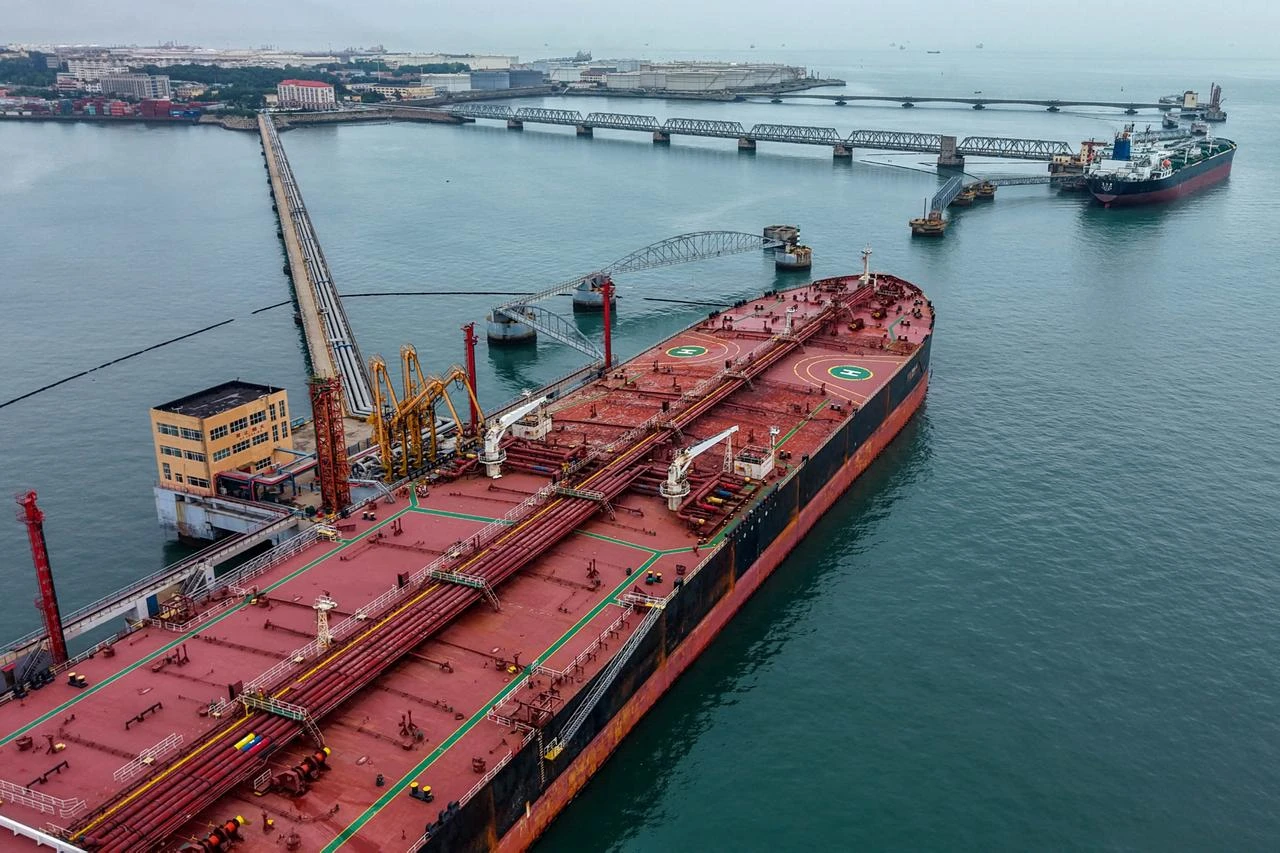


Global energy security could face mounting risks within weeks unless oil flows through the Strait of Hormuz pick up, International Energy Agency Executive Director Fatih Birol warned Thursday.
The warning comes as the strait, which normally handles about one-fifth of the world's energy shipments, remains at the center of the U.S.-Iran dispute, with fighting intensifying again across the region in recent weeks.
"Oil security is still a critical issue," Birol told a Council on Foreign Relations event. "We should be worried, and I am worried, if the situation does not improve in the next few weeks."
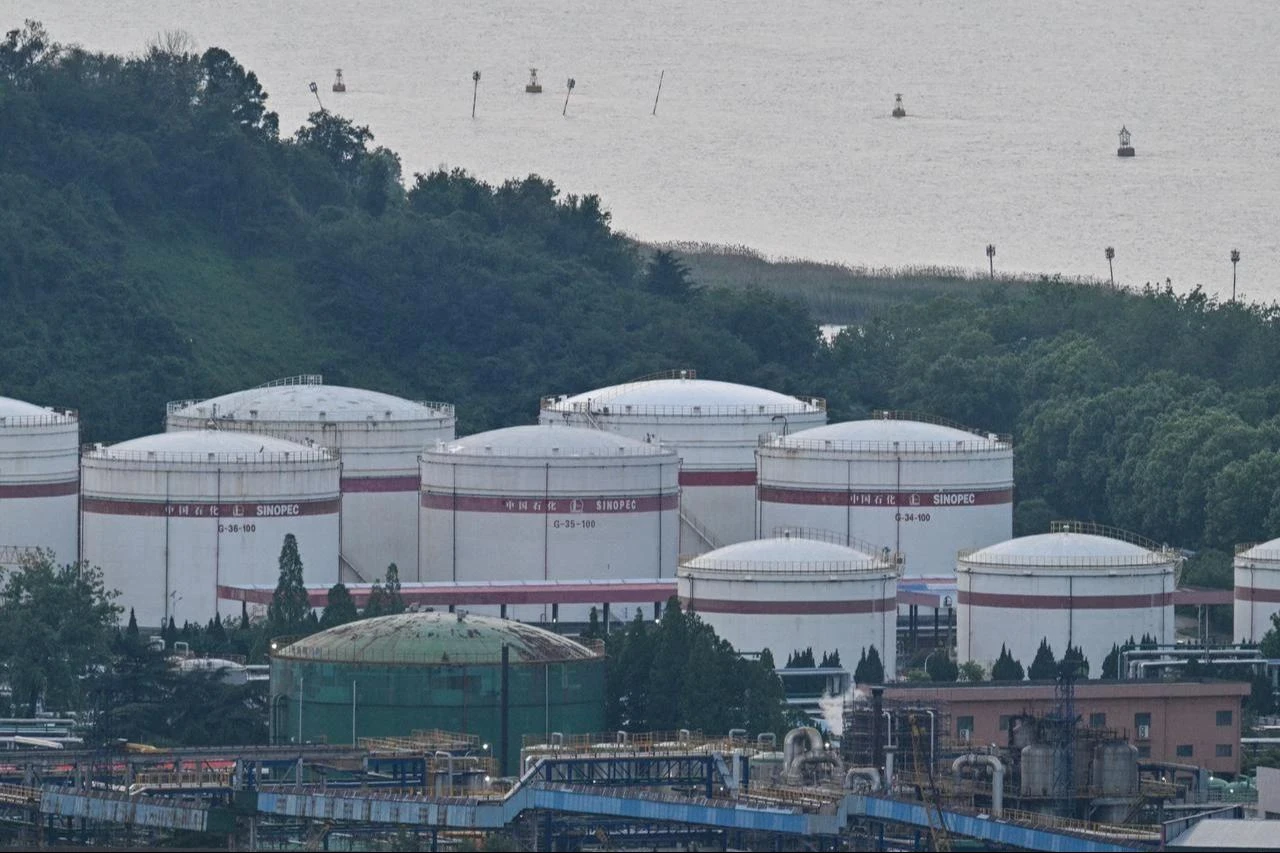
Despite the surge in energy costs, several buffers have kept the market from facing even sharper increases, Birol stressed. Among them is China, which held more than 1 billion barrels of oil in its stockpile before the war. Wider use of electric vehicles and public transport has also helped the country conserve oil.
Higher U.S. output has helped ease the supply crunch, though Birol warned that production could not be increased enough to fully offset the shortfall. "The U.S. increased 1 million, 2 million but it cannot increase 10 million barrels per day of crude oil output," he noted.
The IEA, meanwhile, coordinated the release of up to 400 million barrels of oil in March, helping push crude prices down by about $20 a barrel. The move showed markets that the organization, which represents more than 30 countries, still had the capacity to step in again if supply conditions deteriorated.
"Even though it was huge," Birol said of the up to 400-million-barrel release, "It was only 20% of the stocks we have, 80% is still in the pocket."
Birol cautioned that those measures, however, offer only temporary relief and "can't last forever."

Traffic through the narrow passage between Iran and Oman has been heavily disrupted since U.S. and Israeli strikes on Iran set off the conflict on Feb. 28.
The Islamabad Memorandum, signed by both sides in June, called for the reopening of the Strait of Hormuz and the normalization of commercial shipping, with Iran tasked with clearing mines and other obstacles to allow safe passage through the waterway.
However, the agreement began to unravel amid disputes over control of the waterway and shipping access, with U.S.-Iran hostilities resuming in early July before escalating into sustained U.S. strikes and Iranian retaliatory attacks across the region.
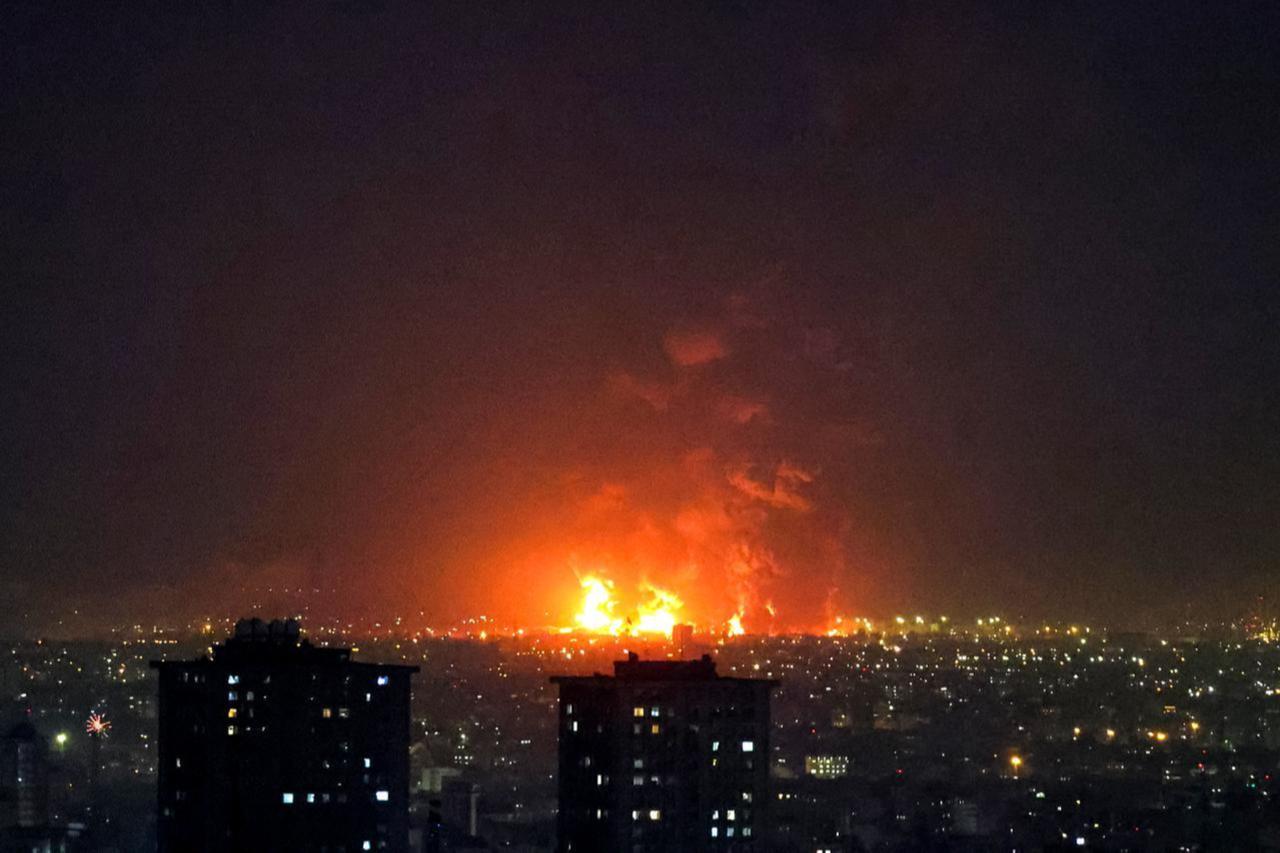
Fresh attacks continued Friday, adding to uncertainty over when energy shipments could return to normal. American forces struck five bridges, a train station and Iranshahr Airport in southeastern Iran.
Iran's Revolutionary Guards Corps hit back at a former U.S. special operations command center at al-Tanf in Syria and U.S. military bases in Kuwait and Bahrain. The Guards, claiming that Iran retained full control of the Strait of Hormuz, reiterated that no oil or gas would pass through the waterway as long as U.S. attacks continued.
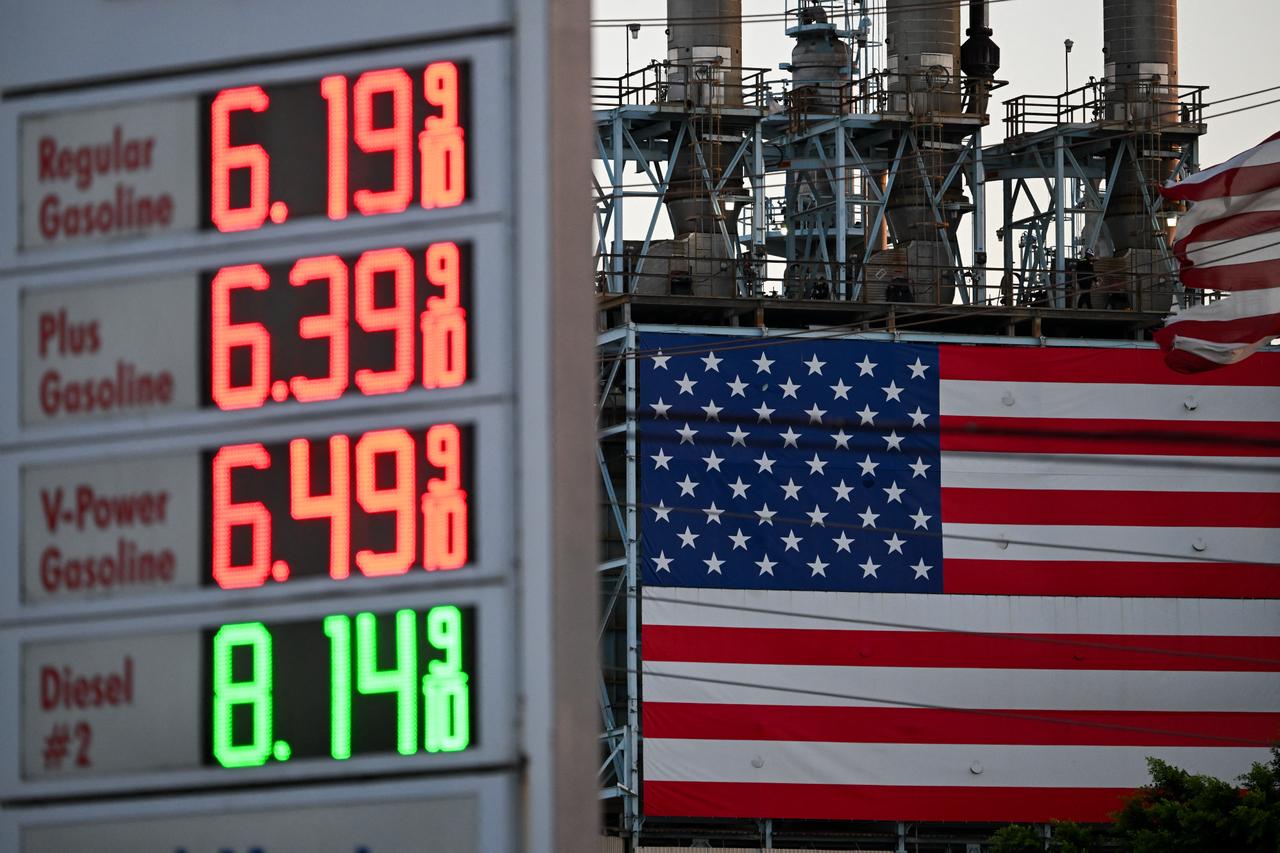
Brent crude hovered around $84 per barrel Friday, leaving oil 17.1% above its prewar level. European gas prices at the TTF Hub traded at €55.5 ($63.5) per megawatt hour, up as much as 76.6% from before the war.


 Set as preferred source
 Set as preferred source


 1 min read
 1 min read