Newsletters


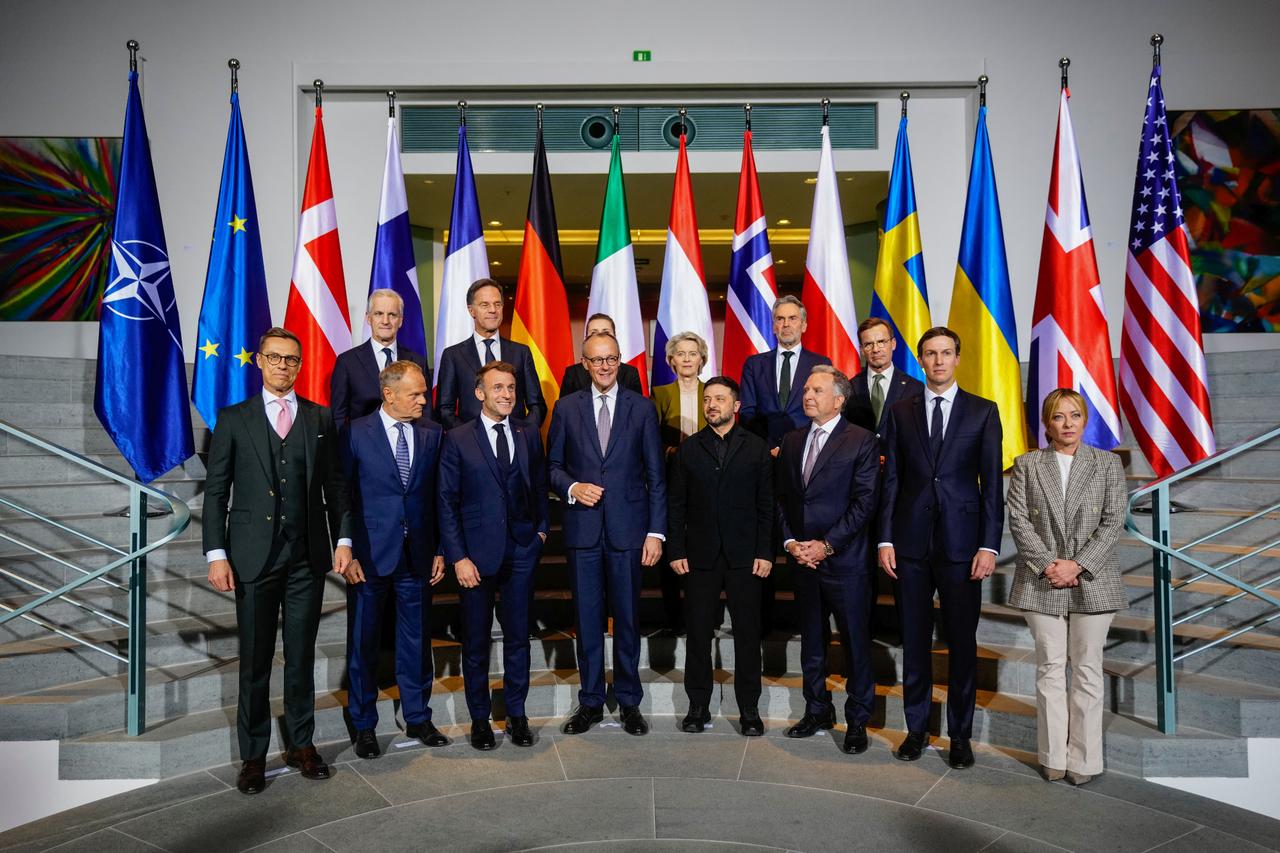


European leaders unveiled a proposal Monday for a multinational peacekeeping force backed by the United States that would enforce any future agreement to end the war in Ukraine, marking a significant diplomatic push to establish concrete security frameworks for a potential settlement.
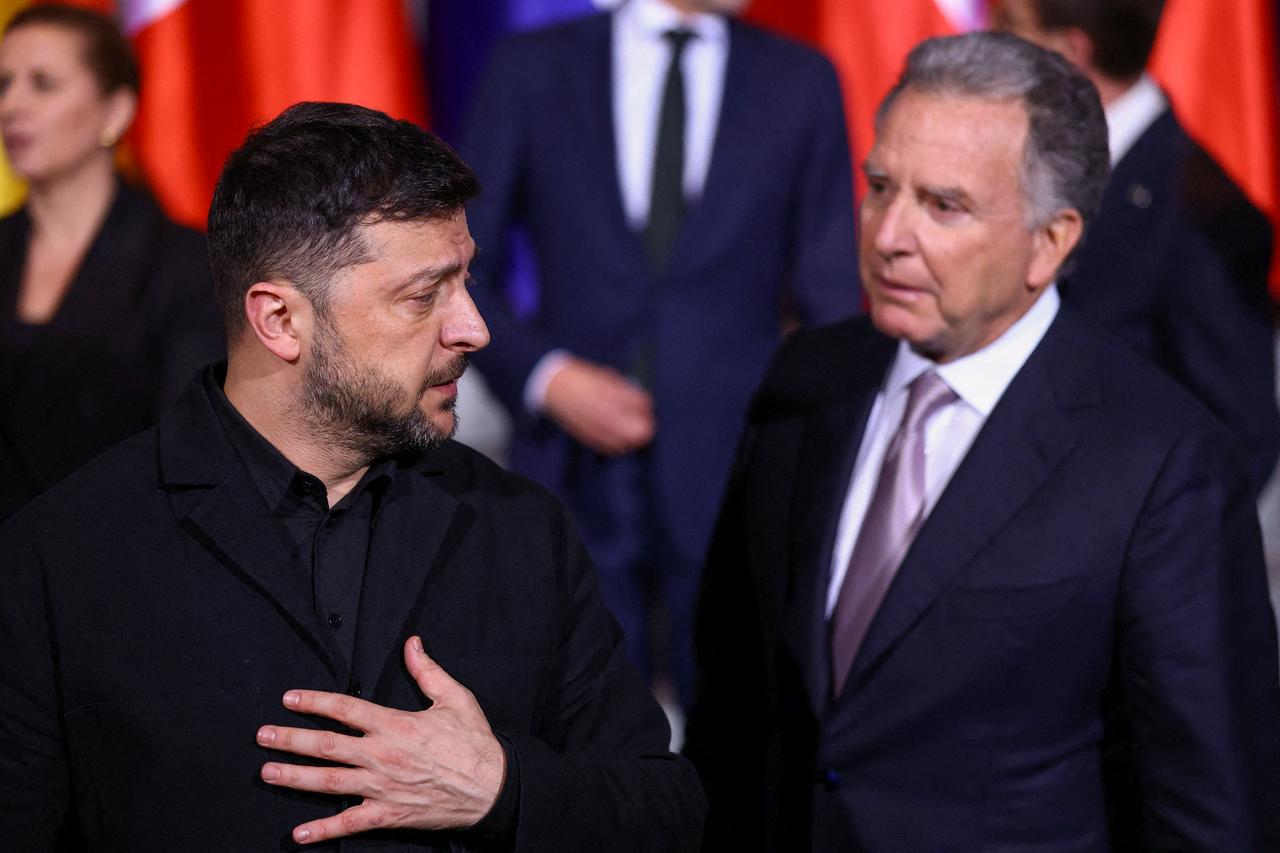
The proposal emerged from a joint statement signed by a dozen European nations during a high-level gathering in Berlin attended by Ukrainian President Volodymyr Zelensky. Leaders from Britain, France, Germany, and nine other nations outlined what they described as "robust security guarantees" designed to prevent Russia from violating terms of any peace agreement.
The statement represents a rare consensus among major European powers and US officials on the contours of a peace framework, though no timeline for negotiations or implementation was specified.

Under the proposal, Ukraine's armed forces would maintain a peacetime strength of 800,000 troops while continuing to receive extensive military support from Western allies. The multinational force, which would operate under European leadership with American backing, would serve as the primary enforcement mechanism for any ceasefire terms.
The initiative was signed by the leaders of Britain, Denmark, Finland, France, Germany, Italy, the Netherlands, Norway, Poland, and Sweden, along with the heads of the European Council and European Commission, demonstrating broad buy-in across the continent.
Alongside the European-led force, the statement called for a "US led ceasefire monitoring and verification mechanism" that would identify violations and "provide early warning of any future attack." This dual-track approach envisions American technical and intelligence capabilities working in tandem with European boots on the ground.
The monitoring system would aim to detect Russian military movements or preparations that could signal renewed aggression, giving Ukraine and its allies advance warning to respond.
The proposal addresses a central Ukrainian concern about any negotiated settlement: ensuring Russia cannot use a ceasefire to regroup and launch future attacks. Ukrainian officials have repeatedly stated they would only accept peace terms backed by ironclad security commitments from Western nations.
NATO membership has long been Kyiv's preferred security guarantee, but the alliance has not extended a formal invitation despite Ukraine's aspirations. The proposed multinational force represents an alternative framework that could potentially bridge the gap between Ukraine's security needs and Western nations' willingness to provide direct defense commitments.
The Berlin statement did not address other critical elements of potential peace negotiations, including territorial disputes, reparations, or accountability for war crimes.


 Set as preferred source
 Set as preferred source


 1 min read
 1 min read