Newsletters


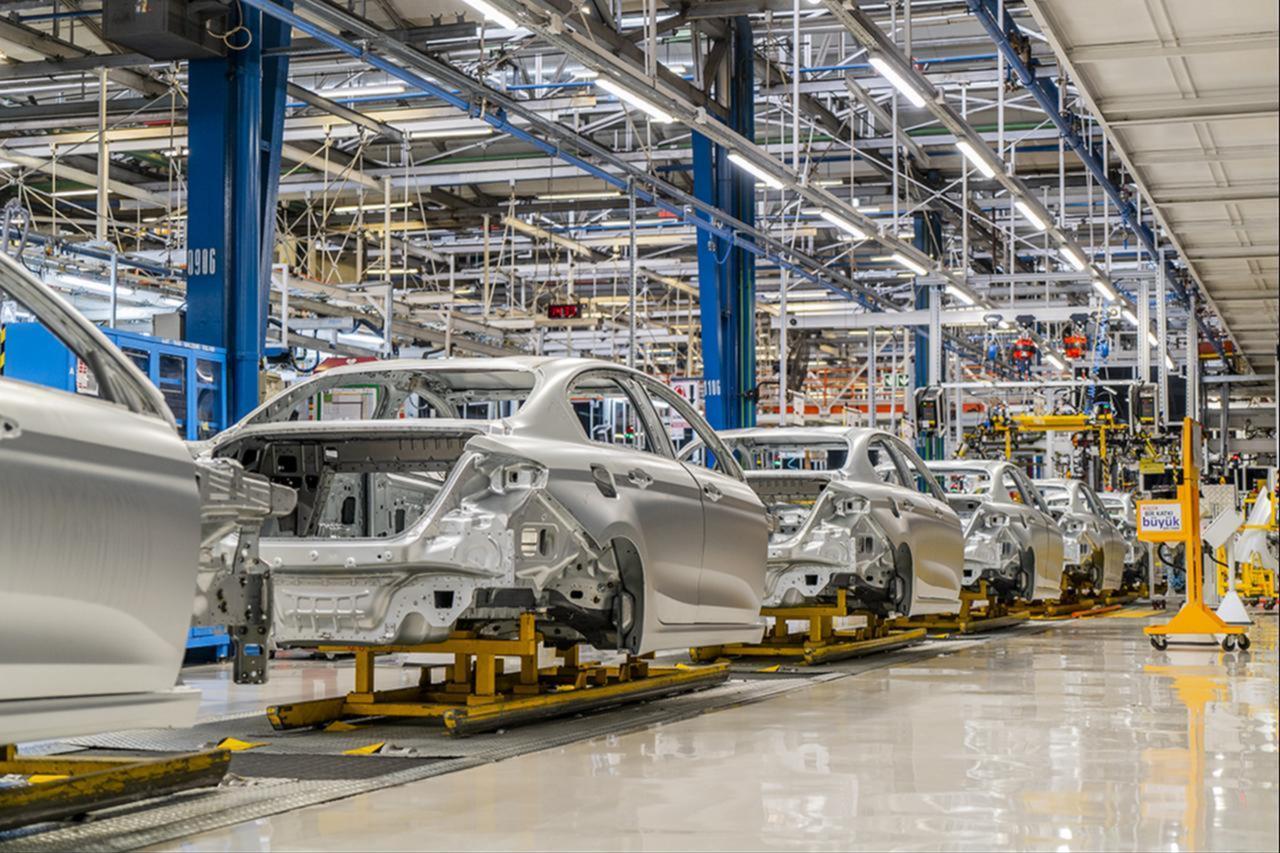


The European Automobile Manufacturers' Association (ACEA) urged the European Union on Wednesday to limit Türkiye's role under the proposed "Made in EU" framework as part of the Industrial Accelerator Act while preserving protections for existing European automotive investments in the country.
The proposal is aimed at preventing non-EU manufacturers from broadly benefiting from the initiative by limiting eligibility to the EU27 and the United Kingdom, while safeguarding existing European investments in countries including Türkiye and Morocco.
ACEA released its recommendations as negotiations over the Industrial Accelerator Act gathered pace, supporting the legislation's goal of strengthening Europe's industrial base while pressing lawmakers to tighten several key provisions.
According to the association, the initiative should reinforce production within the bloc, cut reliance on third countries for clean technologies, and offer incentives that are strong enough to offset Europe's higher manufacturing costs.
"The risk of hollowing out the EU industrial base is real, and smart, targeted measures to support homegrown manufacturing are justified. But the scale of the challenge facing our sector must not be underestimated," ACEA Director General Sigrid de Vries said.
"The industry is facing a shrinking EU market, fierce competition, geopolitical instability, rising manufacturing costs and increasing regulatory requirements while investing billions in electrification to meet ambitious 2030 targets," she highlighted, adding that, with several key adjustments, the Industrial Accelerator Act can become "a catalyst for industrial strength."
The association also proposed local content rules that place greater weight on the value added during vehicle assembly instead of focusing primarily on individual components.
It further advocated realistic battery production targets and tailored approaches for passenger cars, vans, trucks and buses, reflecting the different challenges facing each segment.
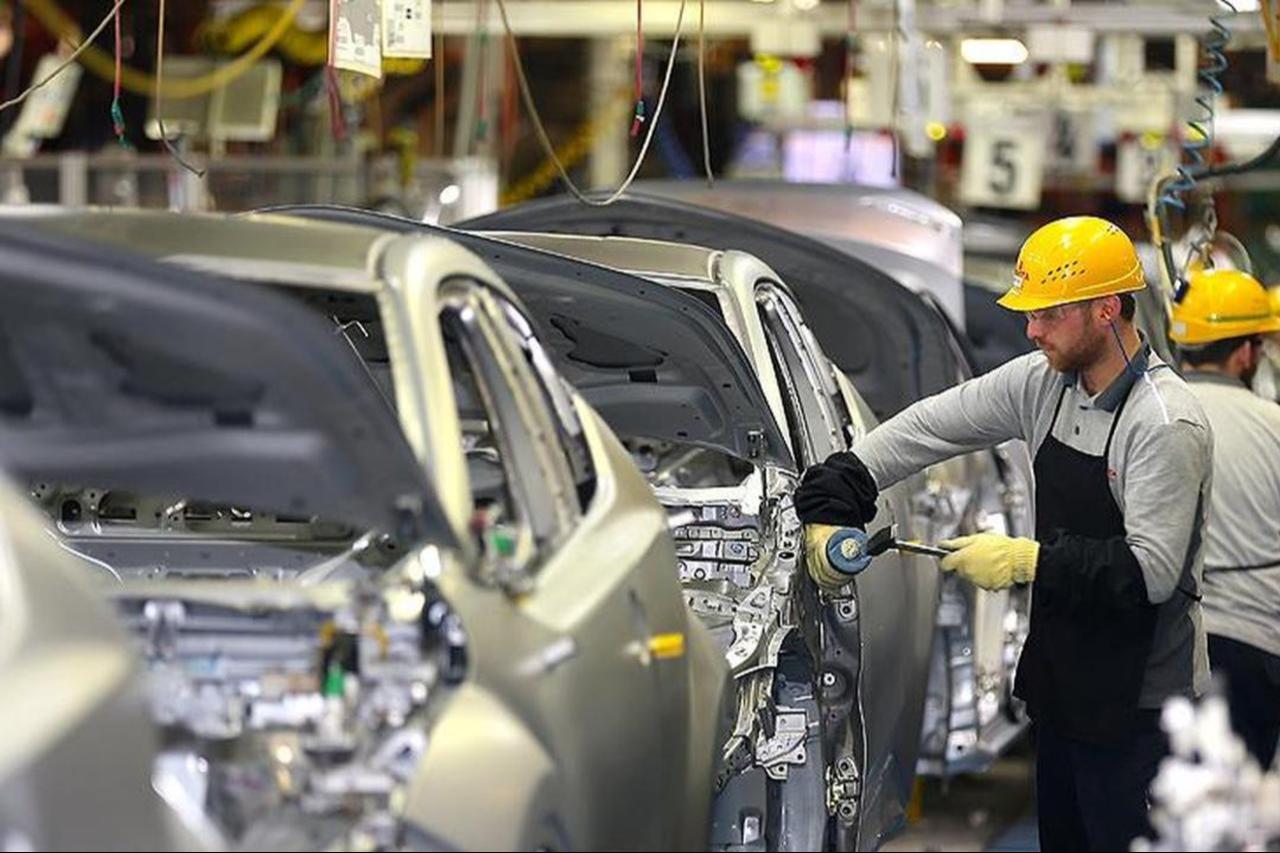

The proposed changes could affect future automotive investments in Türkiye, particularly projects by manufacturers headquartered outside the European Union.
While existing investments by European automakers would remain protected under ACEA's proposal, new non-EU production facilities could find it more difficult to qualify for broad "Made in EU" incentives.
The issue is especially relevant for Chinese electric vehicle maker BYD, which announced plans in 2024 to invest $1 billion in a manufacturing plant in Türkiye's western Manisa province with an annual production capacity of 150,000 vehicles.
BYD Executive Vice President Stella Li stated in June that construction had not started, and the project remains on hold.
She noted that Hungary is currently the company's top priority, followed by the search for a second European production site. Reuters also reported that BYD has yet to set a timetable for launching production in Türkiye.
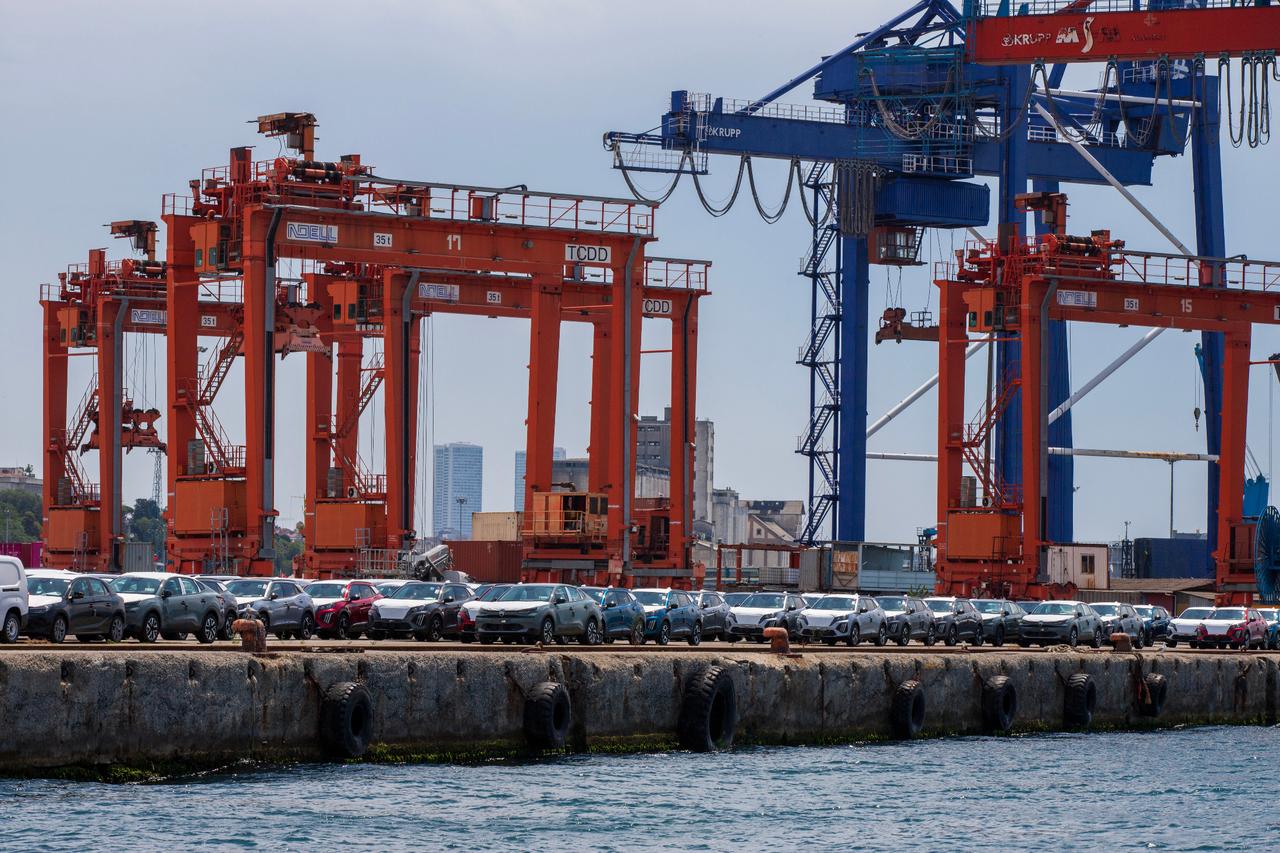
BYD's manufacturing strategy in Europe is closely linked to the European Union's tariffs on electric vehicles imported from China, as producing vehicles within Europe could allow the company to avoid those duties.
The final shape of the Industrial Accelerator Act is therefore expected to influence future investment decisions by non-EU automakers seeking to expand their manufacturing footprint in the region.


 Set as preferred source
 Set as preferred source


 1 min read
 1 min read