Newsletters


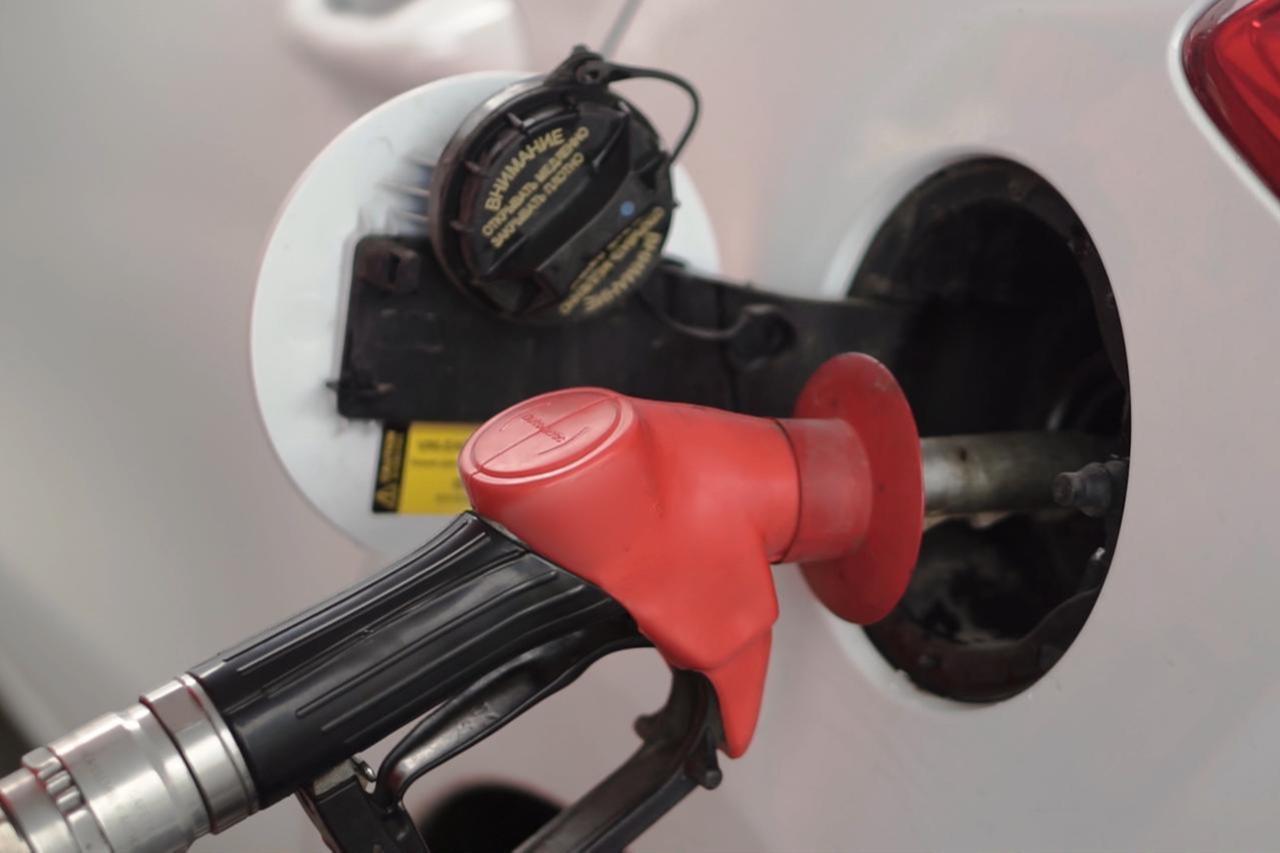


Gasoline prices are expected to rise by around ₺2.19 ($0.047) per liter overnight from Wednesday to Thursday, July 2, as higher international gasoline benchmark prices outweigh declining Brent crude oil prices.
However, under the country's sliding-scale pricing system introduced in March, most of the increase will be offset through a reduction in the Special Consumption Tax (SCT), leaving only ₺0.55 to be reflected at the pump, according to sector representatives cited by Turkish media.
Following the adjustment, gasoline prices on Istanbul's European side are set to rise to ₺62.84 ($1.35) per liter. Diesel and LPG prices are expected to remain unchanged at ₺64.57 and ₺31.99 per liter, respectively.
The increase comes as refined fuel markets remain tight despite a sharp decline in crude oil prices. Although the reopening of the Strait of Hormuz following the U.S.-Iran ceasefire has pushed Brent crude lower, fuel markets continue to feel the effects of earlier supply disruptions.
Low inventories, lingering fallout from the conflict and refinery outages in Russia caused by Ukrainian drone attacks have kept refining margins elevated, prompting Moscow to consider further diesel export restrictions and adding to concerns over global fuel supplies.
As a result, Northwest European gasoline refining margins, also known as crack spreads, which measure the profit refiners earn by turning crude oil into gasoline, climbed to $35.4 per barrel on Tuesday, the highest level in four years.
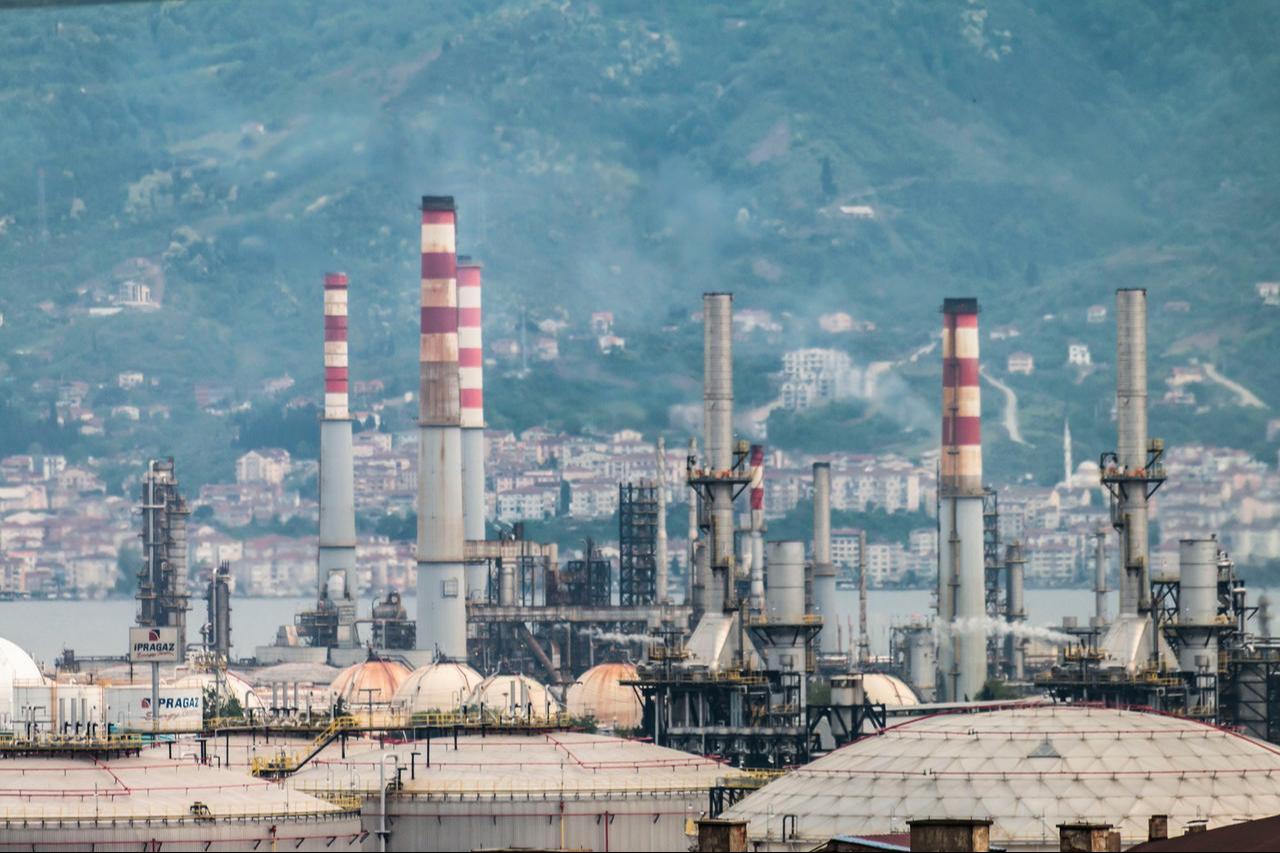

Fuel prices in Türkiye are determined by international refined fuel prices, the exchange rate, taxes and commercial margins across the supply chain. Refinery prices are based on the CIF Mediterranean (CIF Med) Platts quotation, the regional benchmark for gasoline and diesel prices in the Mediterranean market.
Türkiye reintroduced the temporary sliding-scale pricing mechanism in March to cushion the impact of sharp swings in global oil prices on consumers and inflation.
Under the system, the government adjusts the Special Consumption Tax (SCT) instead of passing the full increase in international fuel prices on to motorists, allowing up to 75% of any increase in refinery prices for gasoline, diesel and LPG to be absorbed through lower SCT rates.
Meanwhile, gasoline, diesel and LPG prices are expected to increase again from July 3 after an annual Special Consumption Tax (SCT) adjustment linked to the first-half Domestic Producer Price Index (D-PPI) takes effect.


 Set as preferred source
 Set as preferred source


 1 min read
 1 min read