Newsletters


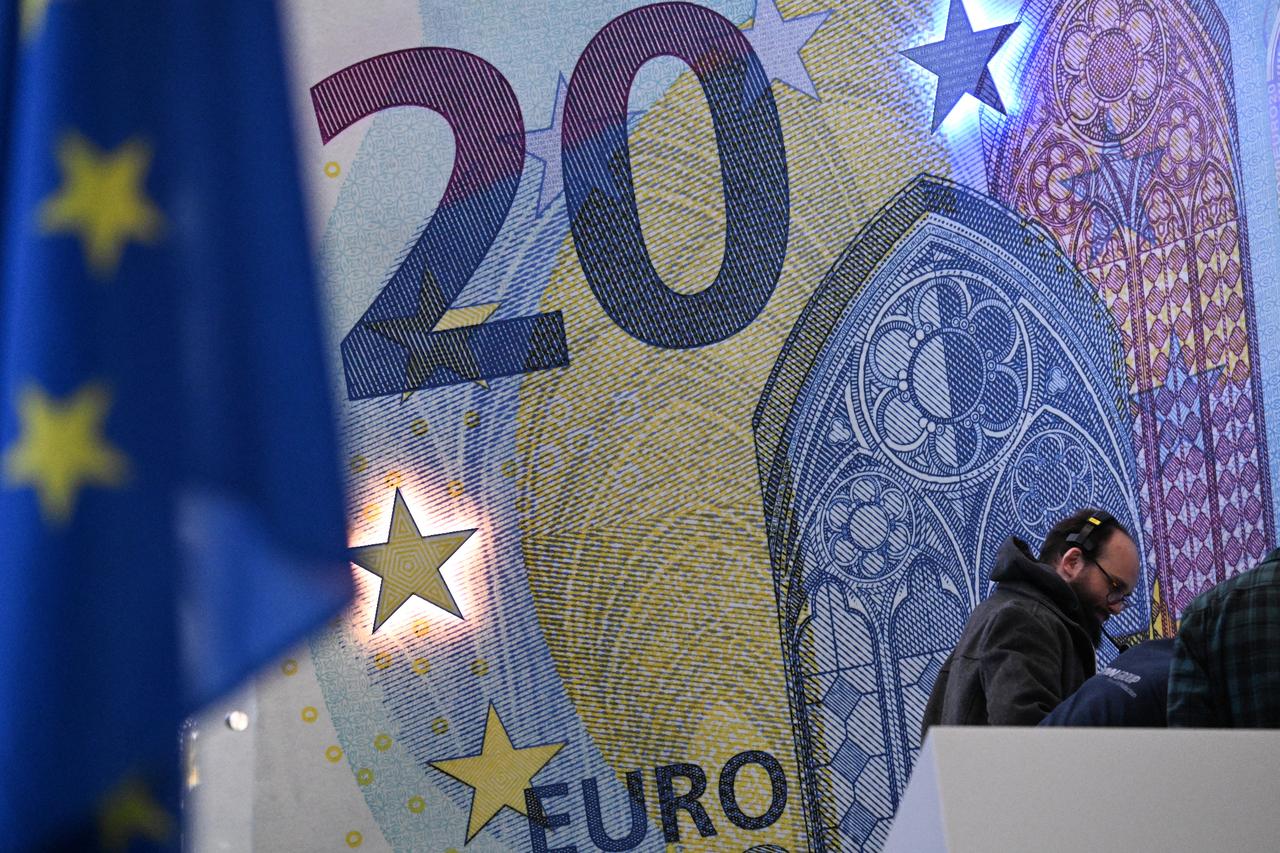


The European Central Bank on Thursday left its three key interest rates unchanged, in line with market expectations, marking the fourth consecutive meeting without a move as policymakers said inflation remains on track to stabilize around the target.
The ECB’s key deposit rate stands at 2%, its lowest level since November 2022. The rate has been held at that level since July, following a year-long easing cycle.
The interest rates on the main refinancing operations and the marginal lending facility remain at 2.15% and 2.40%, respectively. The central bank said its updated assessment reconfirmed that inflation should stabilize at the ECB’s 2% target in the medium term.
“The new Eurosystem staff projections show headline inflation averaging 2.1% in 2025, 1.9% in 2026, 1.8% in 2027 and 2.0% in 2028,” the ECB said.
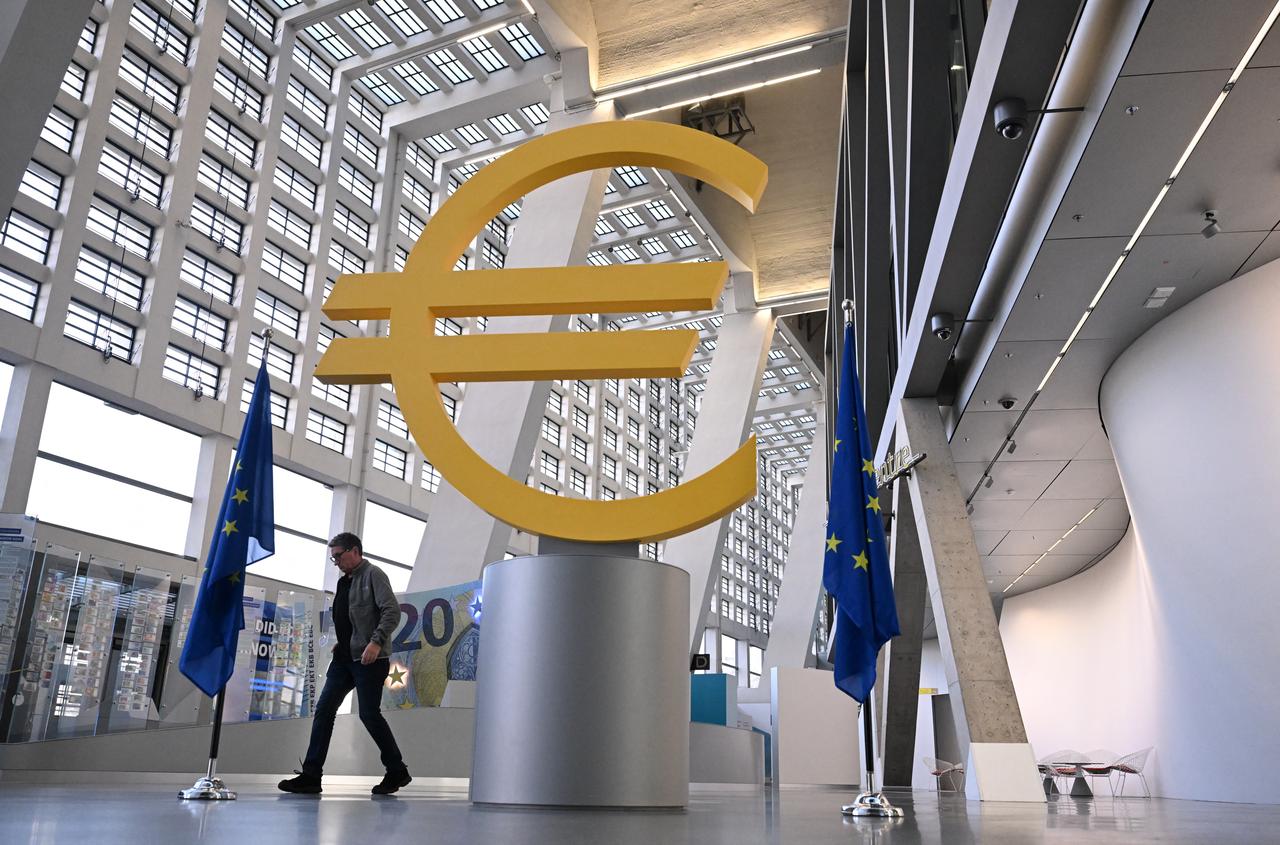

Inflation excluding energy and food is projected to average 2.4% in 2025, 2.2% in 2026, 1.9% in 2027 and 2.0% in 2028.
“Inflation has been revised up for 2026, mainly because staff now expect services inflation to decline more slowly,” the bank said.
Eurozone inflation stood at 2.1% in November, unchanged from October and slightly above the ECB’s medium-term target.
The ECB also raised its growth forecasts for this year and next. “Economic growth is expected to be stronger than in the September projections, driven especially by domestic demand,” the bank said.
The decision to keep rates unchanged followed the ECB’s last rate cut in June, which concluded an eight-cut easing cycle that began in June 2024.
The pause contrasts with recent rate cuts by the US Federal Reserve and the Bank of England, which have responded to signs of slowing economic activity.
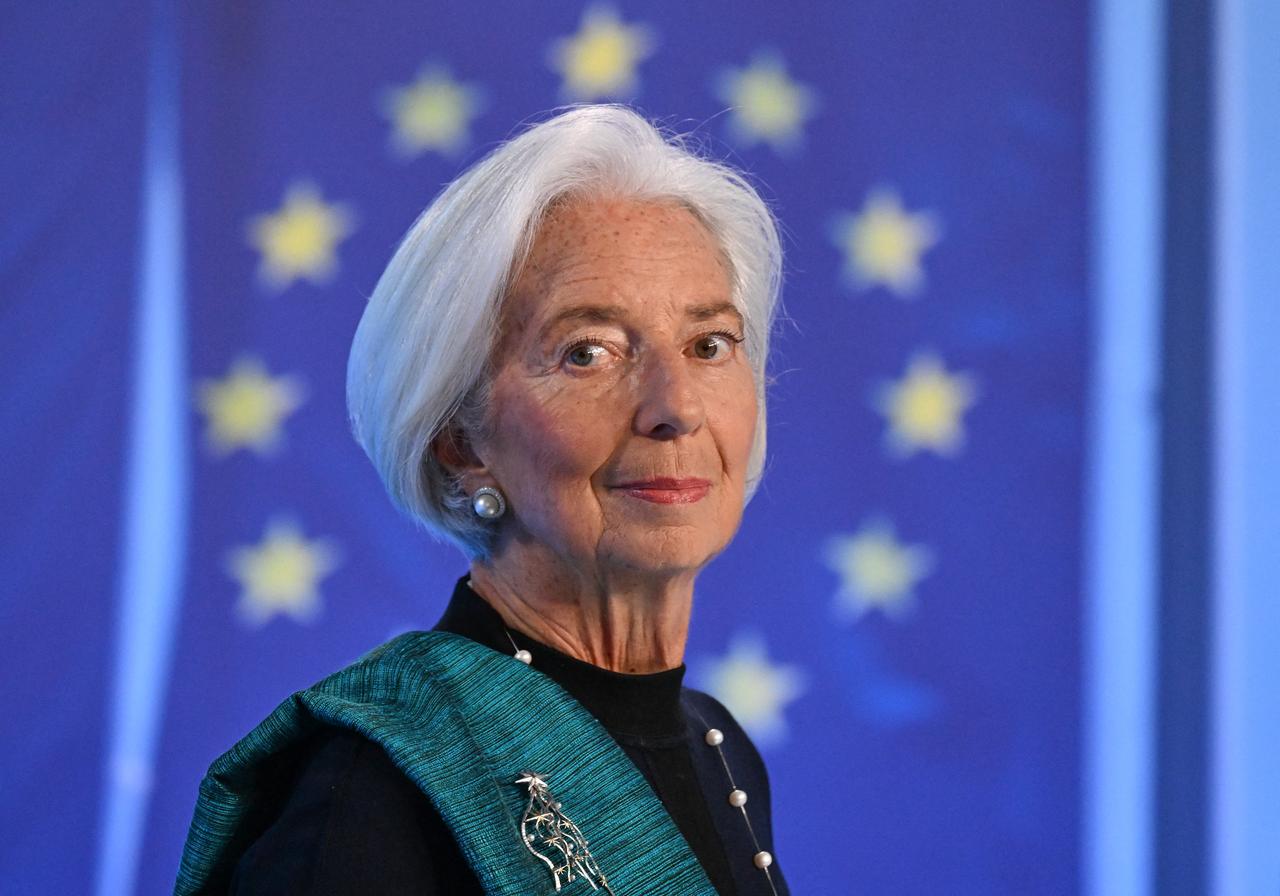
With rates on hold, investors were expected to closely watch ECB President Christine Lagarde’s press conference for clues on the policy path ahead, after mixed signals from Governing Council members in recent weeks.
“There won’t be a big surprise under the ECB Christmas tree,” Berenberg economist Felix Schmidt told Agence France-Presse (AFP) ahead of the meeting. “Inflation is under control; growth is okay.”
Isabel Schnabel, a Governing Council member often seen as hawkish on inflation, fueled speculation earlier this month after telling Bloomberg she was “rather comfortable” with markets pricing in future rate hikes.
Others struck a more cautious tone. Finland’s Olli Rehn and France’s Francois Villeroy de Galhau emphasized uncertainty around the inflation outlook.
“The name of the game for our future meetings remains full optionality,” Villeroy said earlier this month at a Bank of France event. “We don’t exclude any policy action.”
Lagarde told the European Parliament in December that inflation risks were “two-sided,” adding that uncertainty was “higher than usual owing to volatile global trade policies.”
Analysts remain divided on the ECB’s next move. While factors such as a stronger euro, easing energy prices and slower wage growth could dampen inflation, a resilient eurozone economy and increased public spending, particularly in Germany, could reignite price pressures.
The ECB said it remains determined to ensure inflation stabilizes at its 2% target in the medium term.
“We think the ECB is more likely to cut rates than to hike next year,” Capital Economics analyst Andrew Kenningham told AFP, while noting that the eurozone economy remains fundamentally weak.


 Set as preferred source
 Set as preferred source


 1 min read
 1 min read