Newsletters


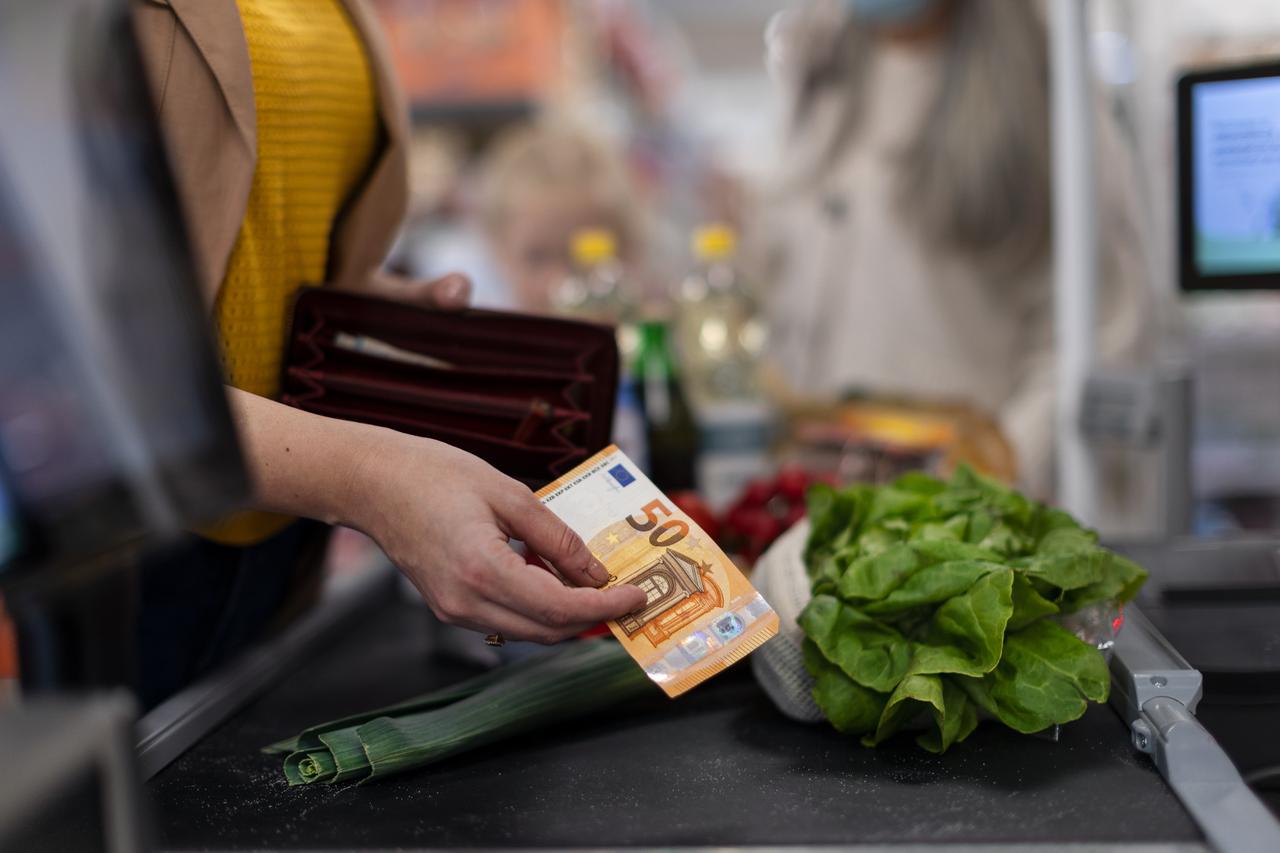


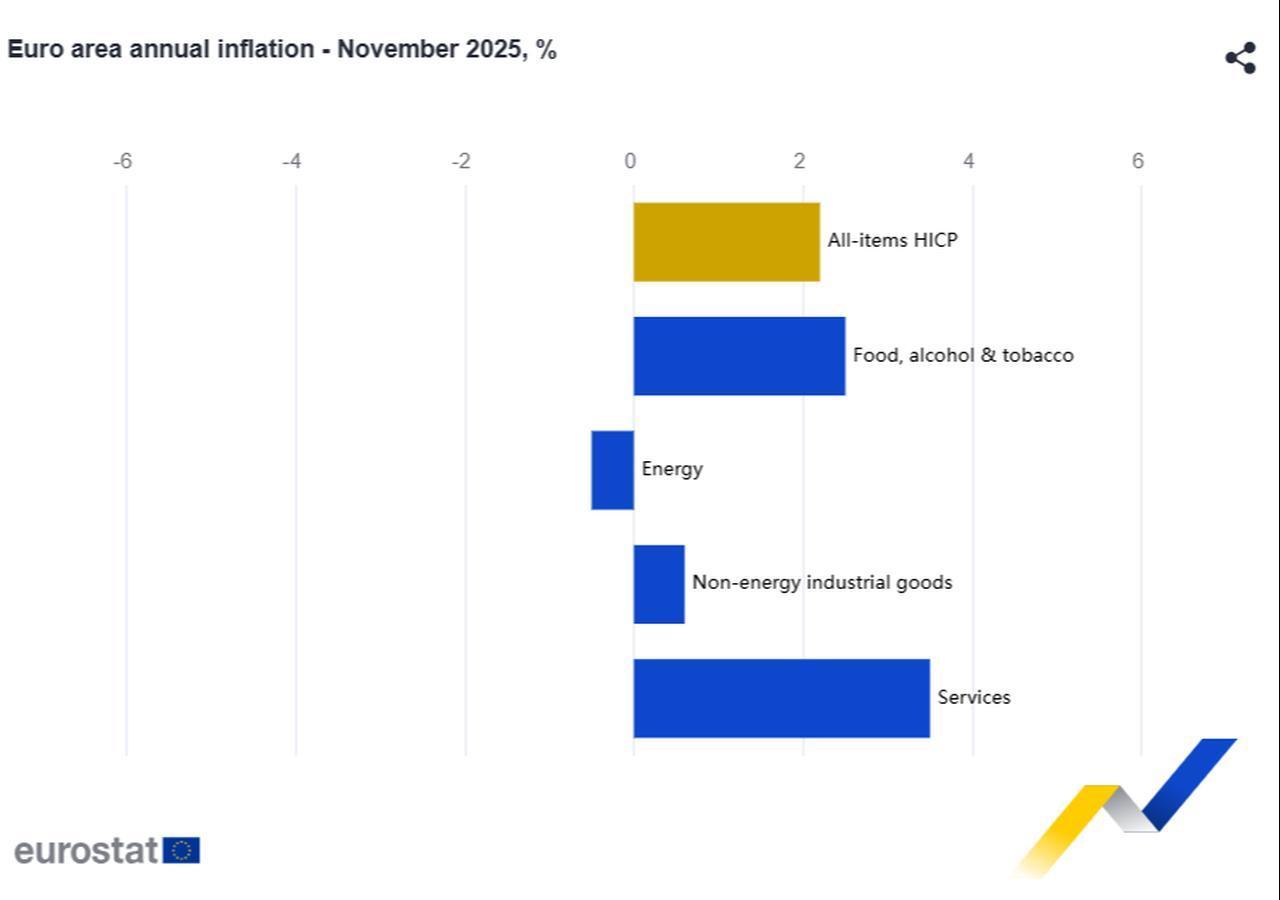
Eurozone inflation rose slightly in November to 2.2% every year, driven by higher service costs and a slower decline in energy prices, according to Eurostat.
Preliminary figures showed that consumer prices across the 20-nation currency bloc edged higher in November. Among the largest Eurozone economies, inflation trends varied: Germany recorded a 2.6% annual increase, while Spain saw a sharper rise at 3.1%. In contrast, France and Italy reported more subdued inflation rates of 0.8% and 1.1%, respectively.
The highest annual increase among major components was recorded in the service sector, where inflation accelerated slightly to 3.5% year-on-year in November, up from 3.4% in October.
Prices for food, alcohol, and tobacco rose by 2.5%, while non-energy industrial goods saw a more modest increase of 0.6%.
Energy prices, while still declining, fell at a slower pace compared to previous months, posting a year-on-year drop of 0.5%.
Core inflation—which excludes energy, food, alcohol, and tobacco—held at 2.4% annually, unchanged from the previous month and in line with market forecasts. Every month, core prices declined by 0.5%.

The latest data are likely to reinforce expectations that the European Central Bank will keep its key interest rates unchanged, as inflation remains slightly above the 2% target.
The ECB has held rates steady in October, following the end of a prolonged tightening cycle in June aimed at curbing inflation, which had climbed above 10% in 2022.
The ECB’s next monetary policy meeting is scheduled for December 18, where officials are set to reassess the inflation trajectory and economic outlook across the Eurozone.


 Set as preferred source
 Set as preferred source


 1 min read

 1 min read