Newsletters


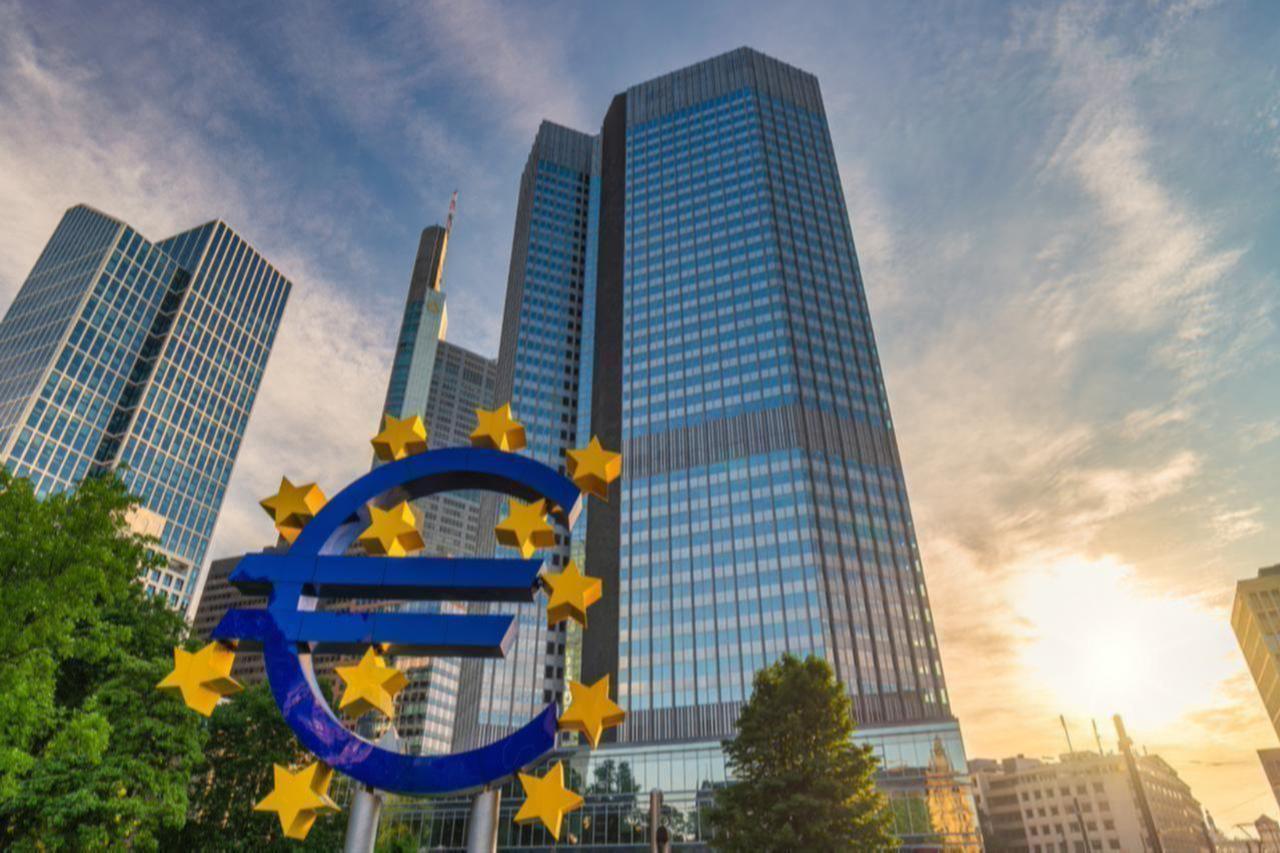


Euro area inflation rose to 3.3% in August, reaching its highest level in three years as a sharp increase in energy prices pushed price growth further above the European Central Bank's (ECB) 2% target, official data showed Tuesday.
The annual inflation rate increased from 2.9% in July, matching the 3.3% forecast from analysts. On a monthly basis, inflation was 0.4% in August, strengthening expectations for a potential rate hike by the ECB.
Energy prices represented the biggest annual increase among the main inflation components, increasing 2.9% month-on-month in August and extending the annual change to 14.3% from 10.3% in July.
Core inflation, which excludes energy, food, alcohol and tobacco, slowed to 2.4% in August from 2.5% in July. Inflation excluding energy was 2.2%, unchanged from the previous month.
Services inflation stood at 3% in August, down from 3.3% in July. Non-energy industrial goods inflation rose to 1.2% from 0.9%, while inflation for food, alcohol and tobacco remained at 1.2%.
Unprocessed food inflation rose to 2.7% from 2.4%, while inflation for processed food, alcohol and tobacco fell to 0.6% from 0.7%.
Lithuania recorded the highest annual inflation at 5.8%, followed by Cyprus at 5.2% and Bulgaria at 5.1%. Spain stood at 4.5%, Belgium at 4.2% and Luxembourg at 4%. Among the bloc's largest economies, Italy recorded 3.2%, Germany 2.9% and France 2.7%.
On a monthly basis, Belgium led with a 2.1% increase, followed by Luxembourg at 1.8% and Cyprus at 1.5%, while Finland recorded a 0.4% decline.
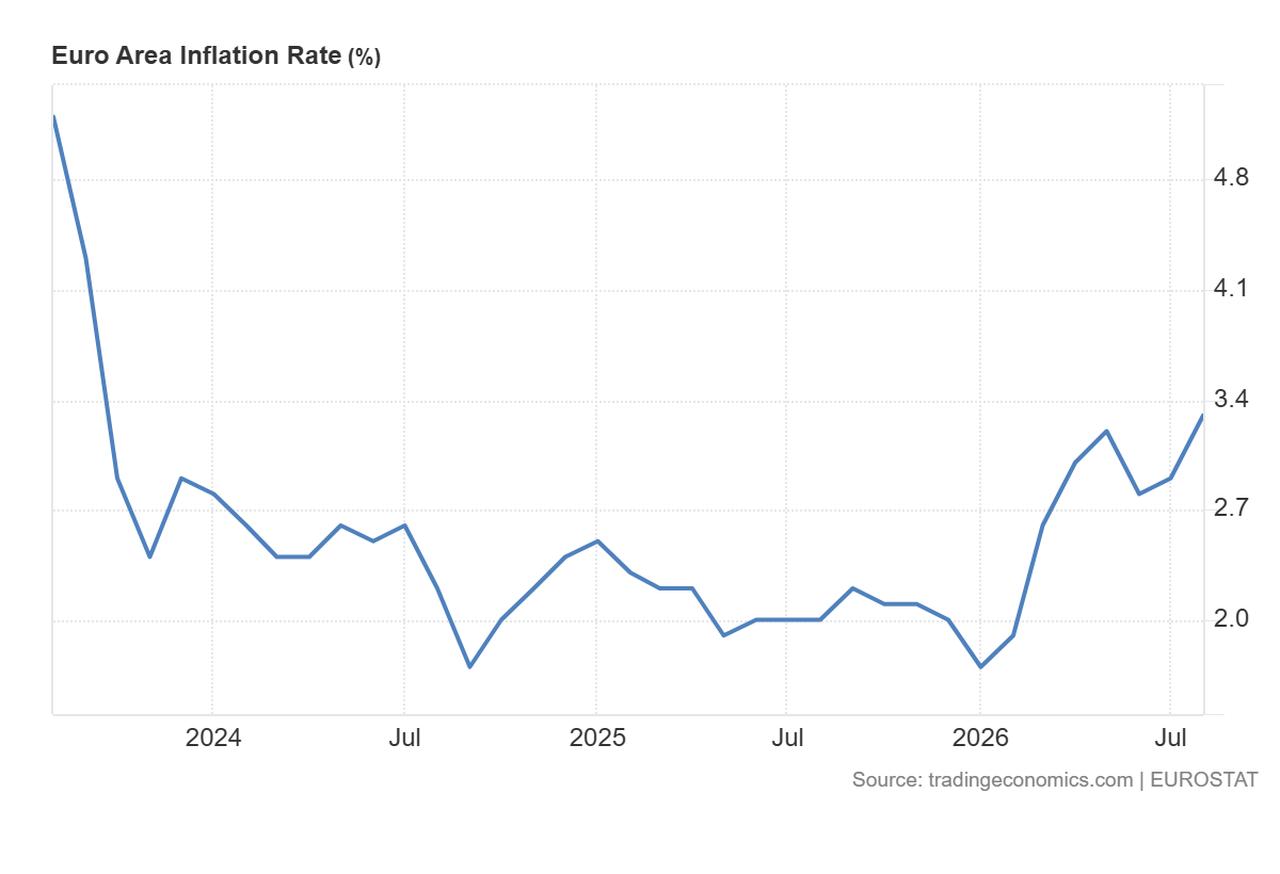

The latest inflation data strengthen expectations that the European Central Bank will raise its deposit rate by 25 basis points to 2.50% at its Sept. 10 meeting.
The move would mark the ECB's second rate increase of 2026, following its June hike, which was the bank's first increase in nearly three years.
ECB President Christine Lagarde warned in July that the energy shock from the conflict "could intensify further," adding to pressure on policymakers as headline inflation moves further above the ECB's 2% target.
Executive Board member Isabel Schnabel has also backed further tightening, warning that current policy settings may not be sufficient to bring inflation back to target and that delaying action could leave policymakers "behind the curve."


 Set as preferred source
 Set as preferred source


 1 min read
 1 min read