Newsletters




Major central banks are heading into a closely watched September policy cycle as geopolitical tensions in the Middle East add to energy price pressures and complicate the global inflation and growth outlook.
The September meetings of the U.S. Federal Reserve, European Central Bank and Bank of Japan are expected to shape market expectations for the coming months, with forward guidance likely to draw as much attention as the decisions themselves.
Rate-cut expectations that had strengthened as disinflation accelerated across many economies shifted toward more hawkish projections after energy shocks began Feb. 28, when the Middle East war broke out.
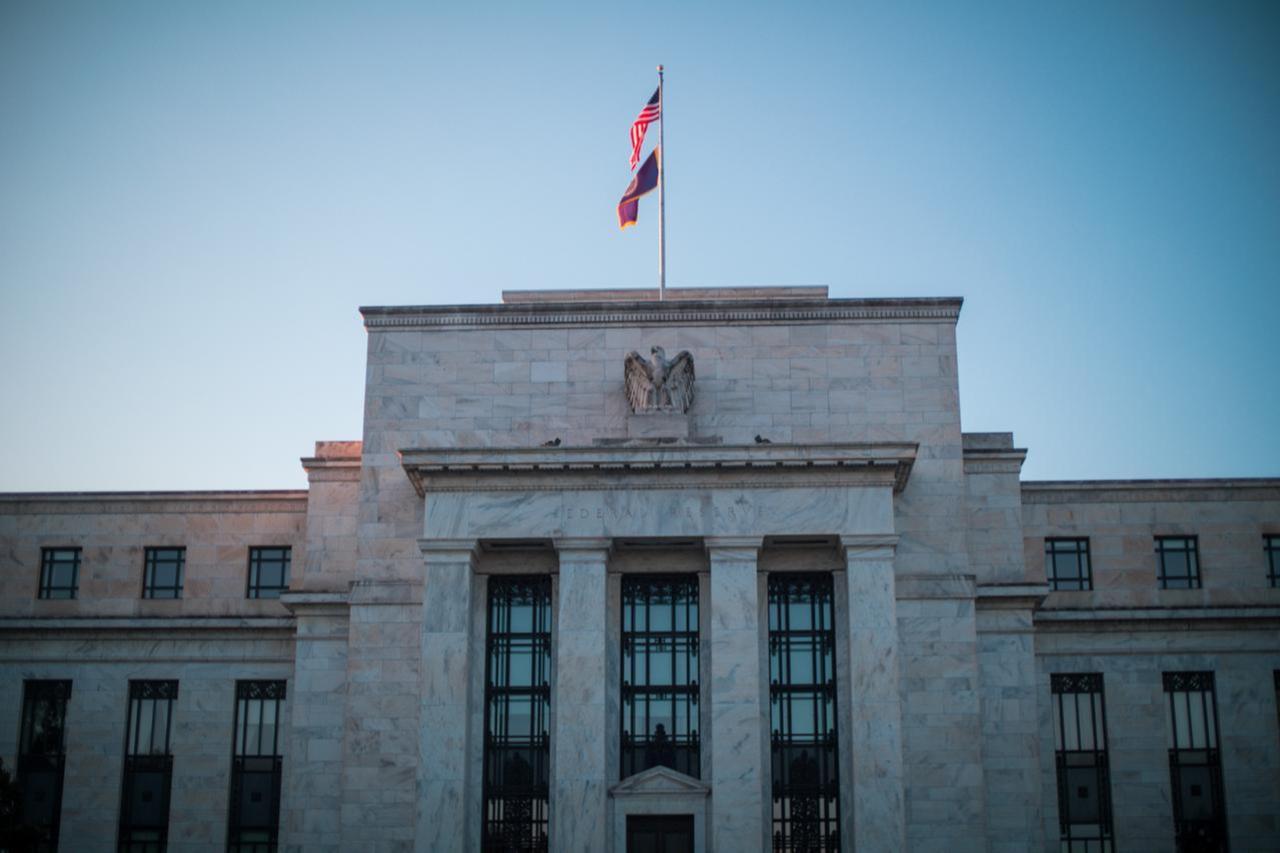
The Fed’s September meeting stands out as one of the main events for global markets. Slowing U.S. inflation and signs of weakness in the labor market have eased some hawkish expectations, while markets are pricing in a 63% probability that the central bank keeps its policy rate unchanged next month.
Expectations for one Fed rate hike by the end of the year, however, remain strong.
The Bank of Canada is also expected to hold its policy rate next month after leaving it at 2.25% in June for a sixth straight meeting.
The European Central Bank (ECB) is widely expected to increase rates by 25 basis points on Sep. 10 as higher energy costs push inflation higher across the eurozone.
Annual eurozone inflation rose to 2.9% in July, up from 2% in the same month last year, while monthly inflation reached 0.2%, according to preliminary Eurostat data.
Core inflation stood at 2.5% year-on-year and 0% month-on-month in July, pointing to a renewed impact from rising energy costs linked to the Middle East conflict.
Other European central banks are also preparing for policy decisions next month. The Bank of England, Swiss National Bank and Central Bank of Russia are all due to announce their respective decisions.
The Bank of England is expected to keep its policy rate unchanged after inflation came in at 0.3% month-on-month and 2.9% annually in July, its highest level in four months.
U.K. consumer prices had risen 0.1% month-on-month and 2.6% year-on-year in June. The U.S-Israel-Iran conflict in the Middle East contributed to higher inflation in the country, while drought conditions are also threatening to lift food prices in the coming months.

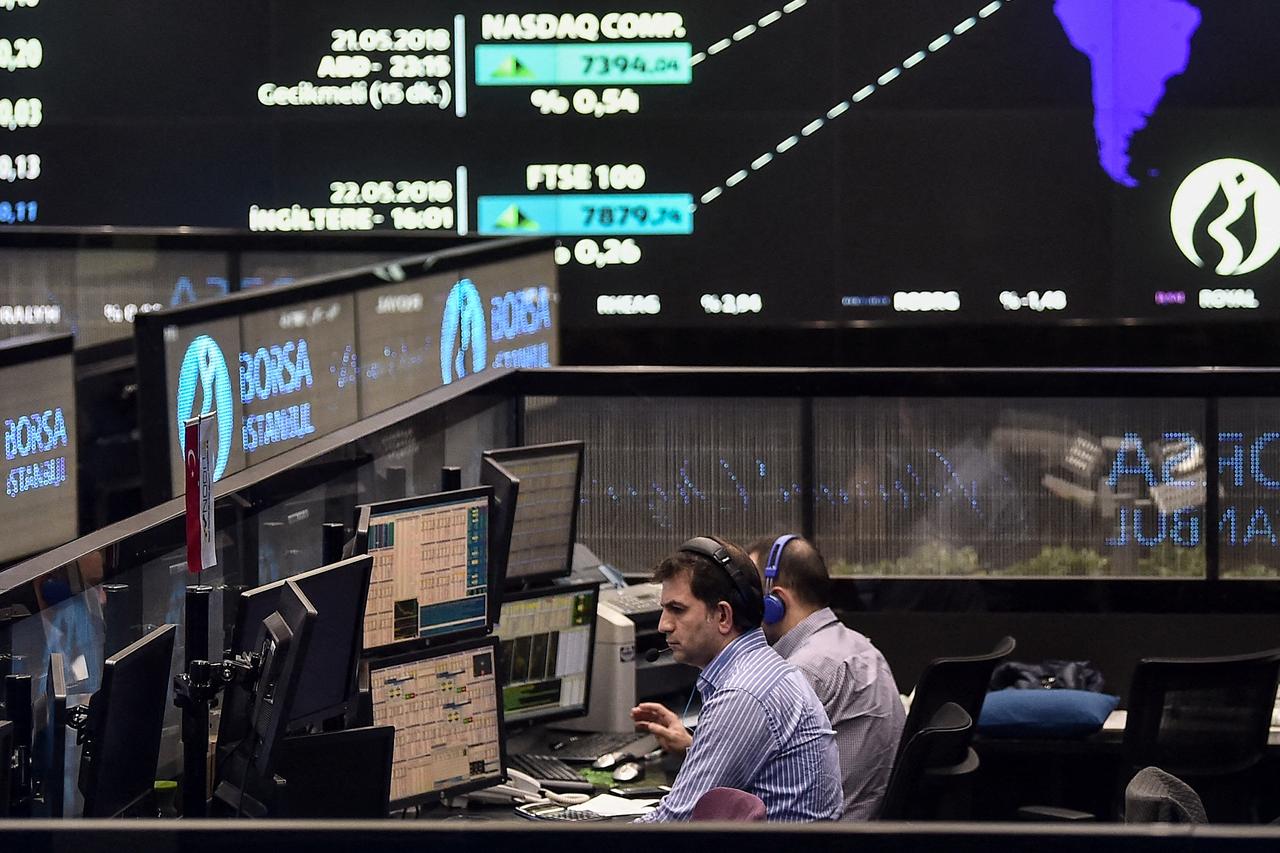
Türkiye’s central bank is set to announce its monetary policy decision on Sep. 10 after keeping its one-week repo auction rate at 37% in July, alongside an overnight lending rate of 40% and an overnight borrowing rate of 35.5%.
The bank pointed to a slightly declining core inflation trend but also warned that energy prices had started rising again amid geopolitical uncertainty. Recent data showed domestic demand easing.
The central bank also resumed one-week repo auctions after six months as part of its broader Turkish lira liquidity management framework. It had previously suspended the auctions to limit the impact of the Middle East conflict.
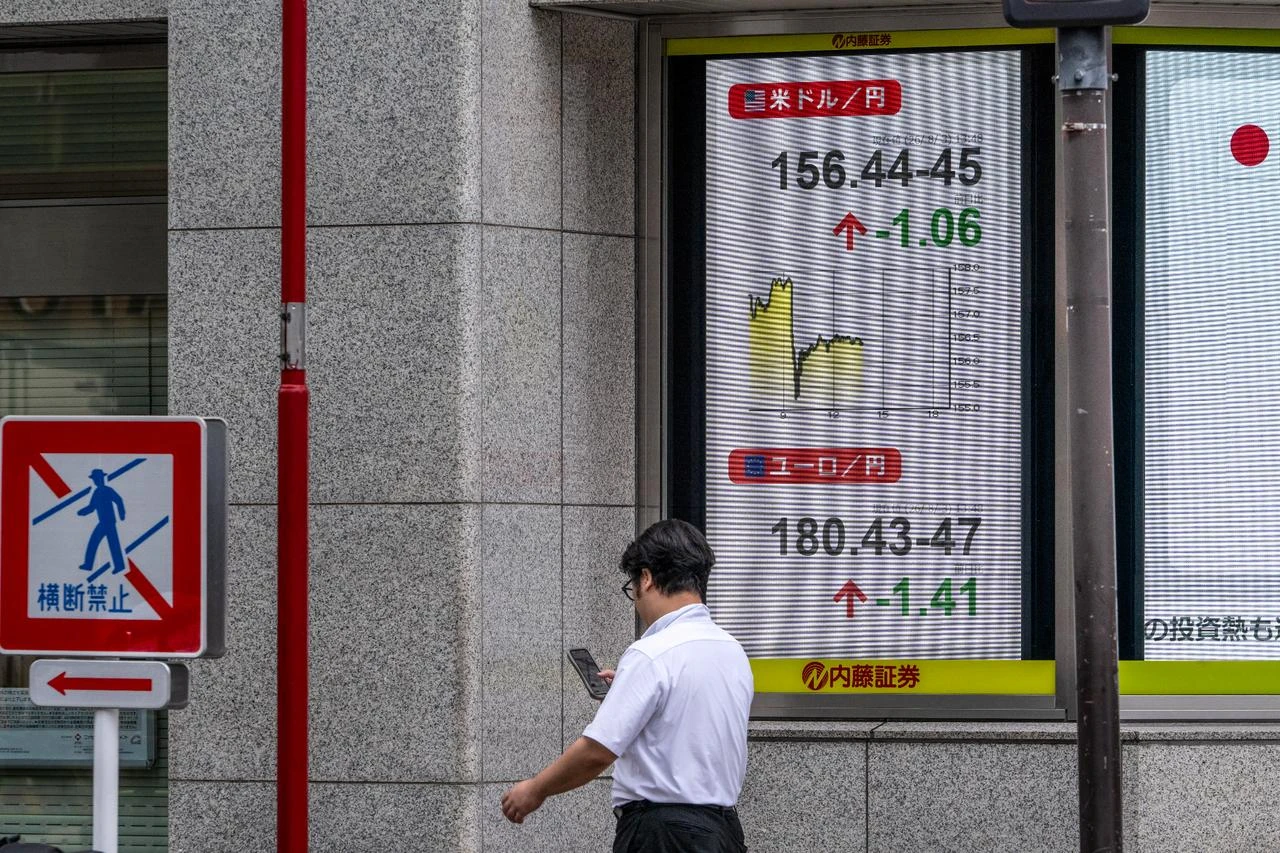
In Asia, the Bank of Japan will make its next policy decision on Sep. 18 as markets continue to track the yen after it fell to its lowest level against the dollar in 40 years and later recovered somewhat following intervention.
The BoJ raised its policy rate to 1% in June, its highest level in 31 years, before holding it there in July as expected. Markets now expect the bank to raise the rate by 25 basis points next month, while also pricing in the possibility of another increase before the end of the year.
The Reserve Bank of Australia, another major central bank with a key role in regional financial liquidity, is expected to keep its policy rate unchanged next month.


 Set as preferred source
 Set as preferred source


 1 min read
 1 min read