Newsletters


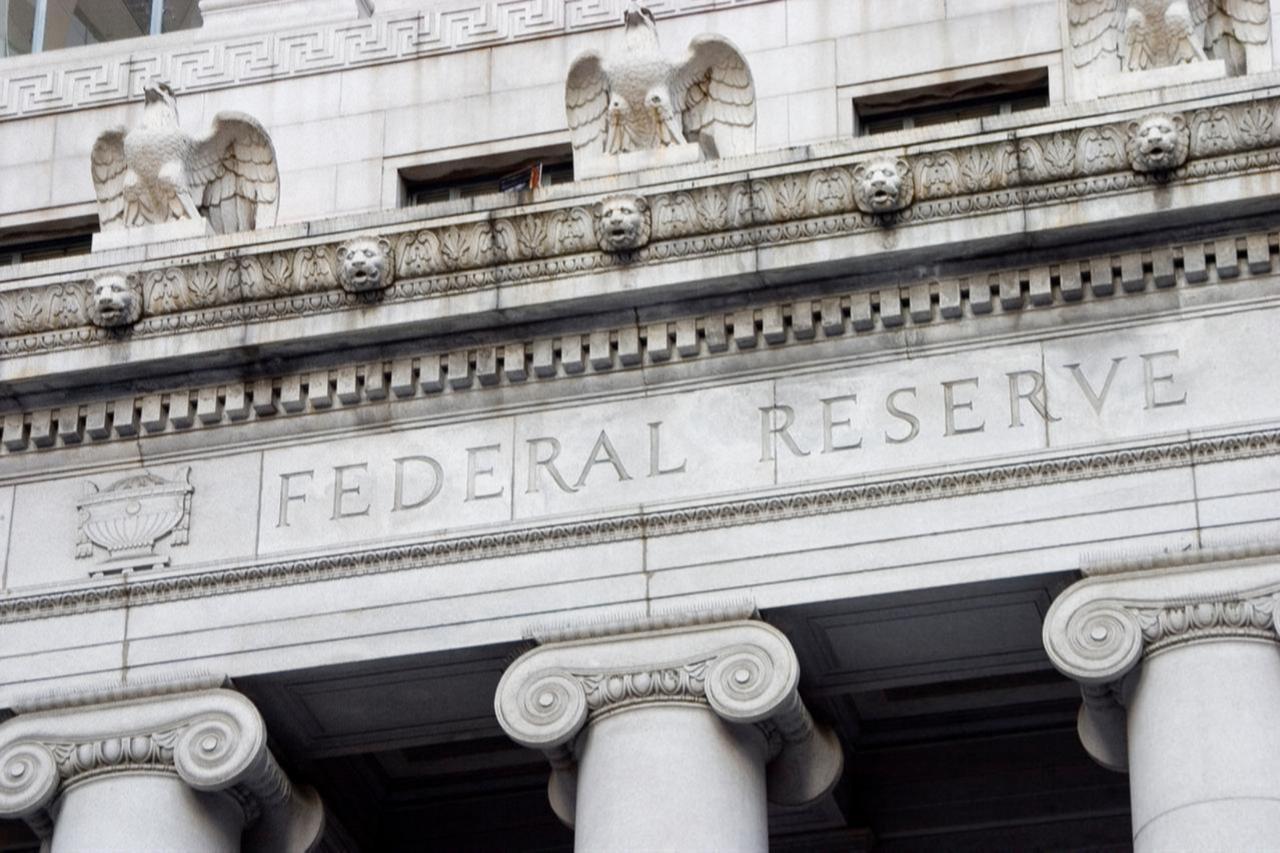


The Federal Reserve declared Wednesday that all 32 large American banks subjected to its annual stress test had passed, demonstrating the financial system's capacity to withstand a severe recession while continuing to extend credit to households and businesses.
The results represent an expansion from last year's exercise, which evaluated 22 banks against a hypothetical $550 billion in losses. All passed in that round as well.
Despite facing more than $708 billion in total projected loan losses under this year's hypothetical downturn, the banks' capital levels declined by only 1.6 percentage points in aggregate, remaining above the regulatory minimums required by law. Of the projected losses, 89 percent were attributed to loan losses, with securities losses accounting for just one percent of the total.
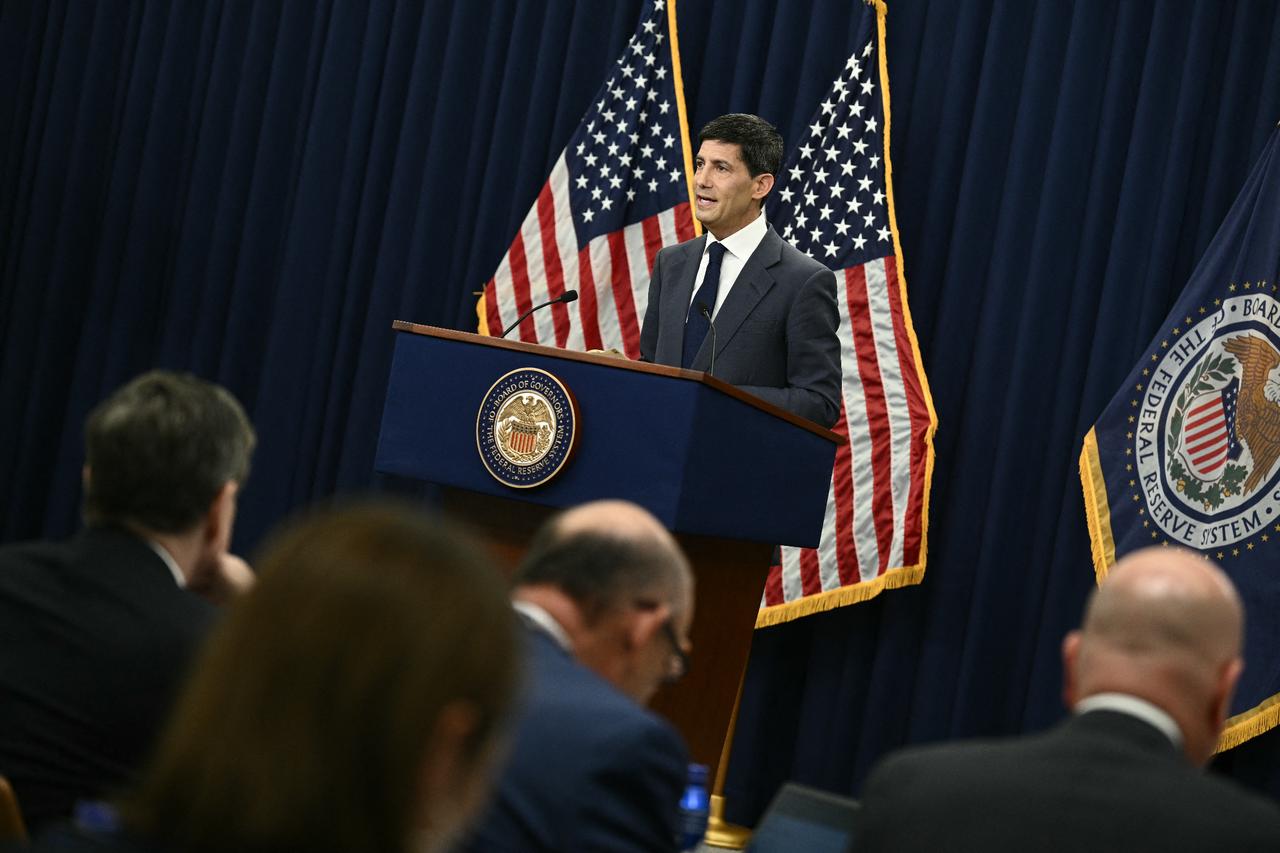
Fed Vice Chair for Supervision Michelle Bowman said the outcome affirmed the resilience of the financial sector. "Today's results underscore the strength of the banking system," she said, adding that public feedback would help the central bank improve transparency and instill greater confidence in the stress-testing process.
This year's hypothetical crisis was built around a severe global recession combined with elevated stress in both commercial and residential real estate markets. Under the scenario, commercial real estate prices fell 39 percent and residential home prices dropped 30 percent, while equity markets declined 58 percent.
The unemployment rate climbed roughly 5.5 percentage points to reach 10 percent, accompanied by a 4.6 percent contraction in real GDP from peak to trough.
The annual stress tests were introduced following the 2008 global financial crisis as a regulatory tool to ensure that large institutions could absorb severe economic shocks without requiring government bailouts or freezing the flow of credit to the broader economy. They apply to banks holding at least $250 billion in total assets, including the largest institutions designated as "global systemically important banks."
Smaller banks within that threshold are evaluated on a two-year cycle. This year's cohort of 32 reflected that rotation.


 Set as preferred source
 Set as preferred source


 1 min read

 1 min read