Newsletters


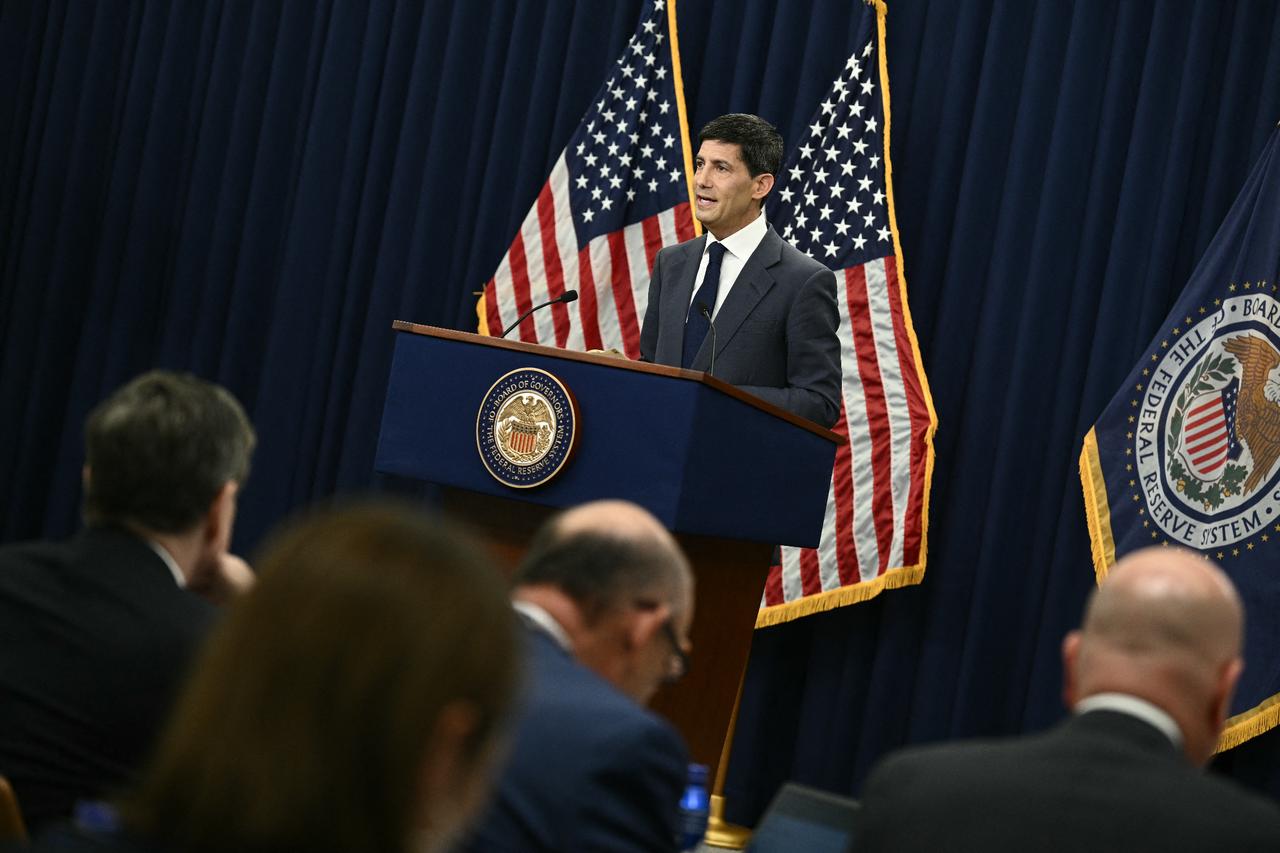


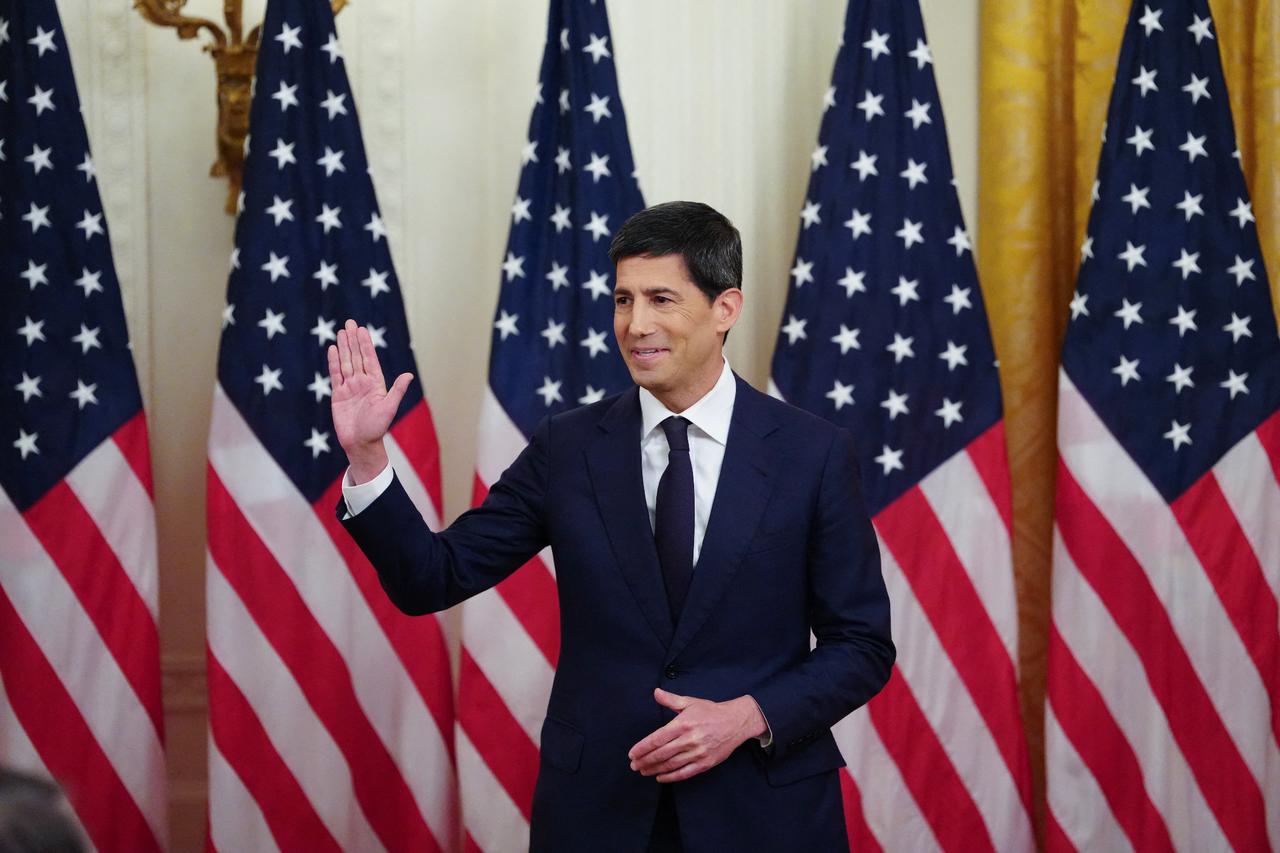
The U.S. Federal Reserve held its benchmark interest rate steady Wednesday at the first meeting led by new Chairman Kevin Warsh, signaling that its next move may be a rate increase as inflation climbs to its highest level in more than three years.
The Federal Open Market Committee voted unanimously to keep the federal funds rate at 3.50 to 3.75 percent, the fourth consecutive meeting at which policymakers have opted to hold. The unanimous vote was the first in a year.
Updated economic projections released alongside the decision showed policymakers raising their year-end PCE inflation forecast to 3.6 percent, up sharply from 2.7 percent projected in March, and pointing to a rate hike before the end of 2026.
The Fed said economic activity was "expanding at a solid pace despite elevated uncertainty" stemming in part from the conflict in the Middle East, while noting that "inflation remains elevated relative to the Committee's 2-percent goal, in part reflecting supply shocks that have driven price increases in certain sectors, including energy."
By the Fed's preferred measure, the Personal Consumption Expenditures price index, inflation stood at 3.8 percent in April.
The decision lands at a particularly fraught moment. Prior to the U.S. war on Iran, markets had expected at least one interest rate cut before year's end. That calculus has reversed sharply, with the December meeting now eyed as the most likely occasion for a hike.
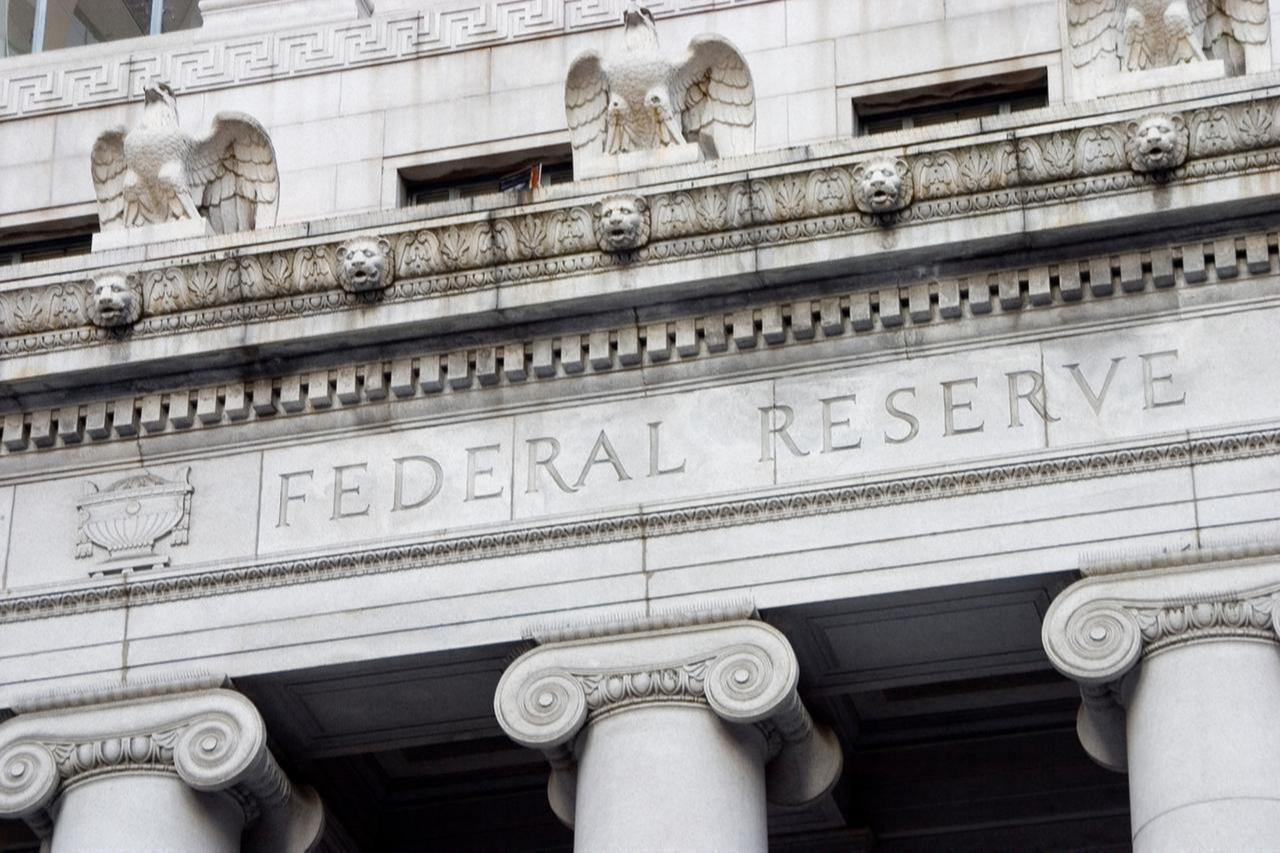

Wednesday's policy statement was conspicuously shorter than its recent predecessors, stripped of the forward guidance on interest rate direction that has been a fixture of Fed communications in recent years. The change is in keeping with Warsh's stated ambition to reduce the volume of central bank communication and to reform how the institution telegraphs its intentions to markets.
Warsh has also called for scrapping the Fed's "dot plot," the chart that aggregates policymakers' individual rate projections while shielding their identities. He appeared to act on that conviction Wednesday: the Summary of Economic Projections reflected input from 18 of the FOMC's 19 members, with one submission withheld.
The Fed did not identify the absent participant, though Warsh had been widely expected to decline to submit his own projections, consistent with his long-held reservations about the format.
The dot plot is a communication tool introduced under former Chairman Ben Bernanke that has since become a closely watched market signal. Warsh's apparent non-participation raised immediate questions about the future of the mechanism and the broader transparency of monetary policymaking under his tenure.
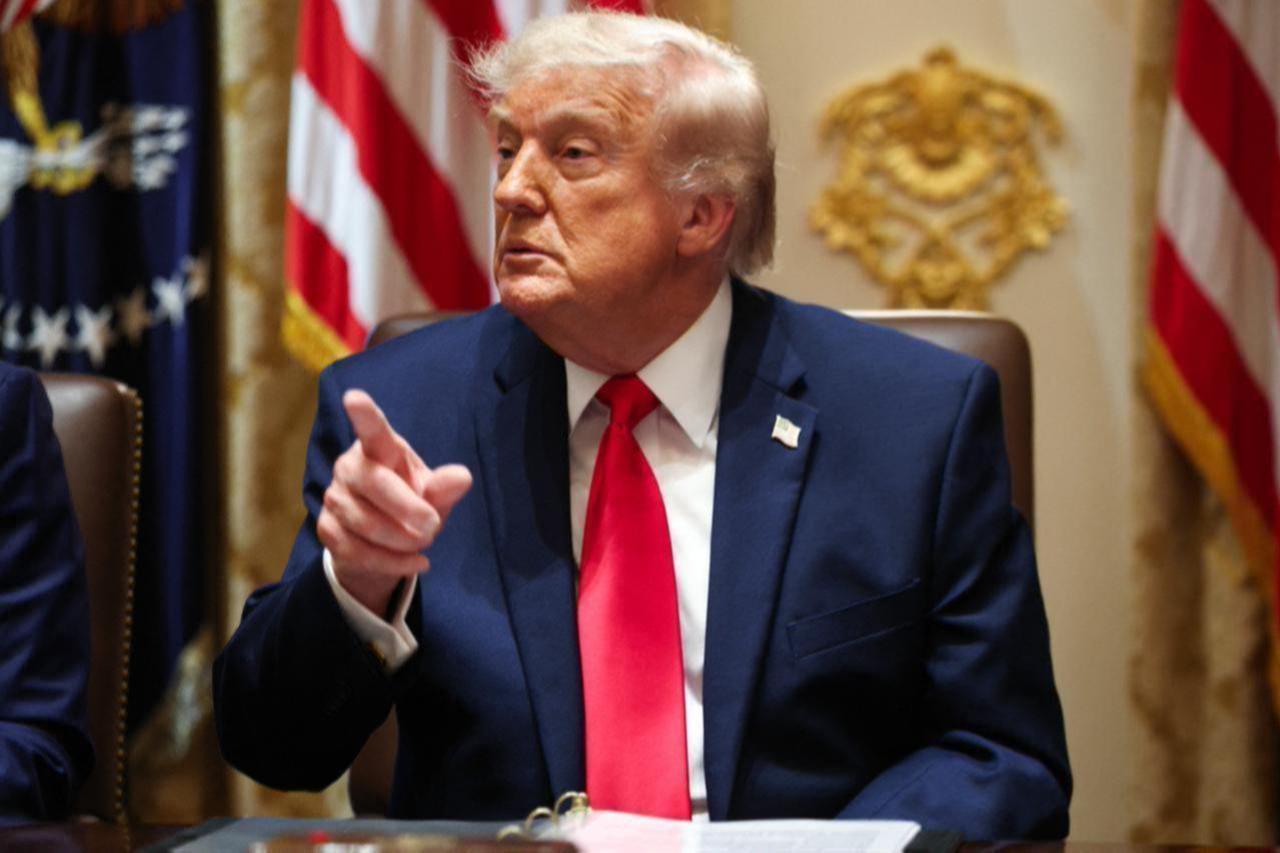
The decision puts Warsh in a politically charged position. President Donald Trump, who nominated Warsh to lead the central bank, has mounted an unprecedented public campaign to pressure the Fed into lowering borrowing costs, despite inflation running well above the institution's long-term 2 percent target. Trump, 80, has argued that lower rates would stimulate economic activity.
Warsh had previously backed rate cuts even as inflation remained elevated, but Wednesday's outcome aligned him with the broader committee's wait-and-see posture.
"I think he's going to be in the wait-and-see camp," said Dan North of Allianz Trade. "It's pretty hard to justify a cut when you've got inflation in the pipeline already."
Economists have noted the contradiction embedded in Trump's dual approach of calling for lower rates while simultaneously pursuing policies, including the war on Iran, that have driven energy prices sharply higher and reverberated across the broader economy.
Pao-Lin Tien, an economics professor at George Washington University, said the president's open lobbying was counterproductive.
"President Trump is not helping his own case by making these demands so openly, it makes it harder for anyone he appoints to actually do that," she said.
On the inflationary consequences of the conflict, she added: "He does the opposite of what he needs to do in order to make sure the rates go lower."
For analysts, the removal of forward guidance from Wednesday's statement introduces a new layer of uncertainty into the monetary policy outlook.
Tien warned that a more opaque approach to communication could loosen the anchor on public inflation expectations, noting that "without the forward guidance, inflation expectations might become a little bit more volatile."
American households have endured years of elevated prices since the post-pandemic inflation surge pushed the cost of living well above the Fed's target. The energy shock triggered by the war on Iran has intensified that pressure, feeding through to a wide range of sectors in the world's largest economy and giving policymakers little room to ease even in the face of political demands to do so.


 Set as preferred source
 Set as preferred source


 1 min read

 1 min read