Newsletters




Global markets tumbled Friday after stronger-than-expected U.S. employment data fueled concerns that the Federal Reserve could keep interest rates higher for longer, triggering sharp losses across stocks, precious metals and cryptocurrencies.
Fresh data showed the U.S. economy added 172,000 jobs in May, well above expectations of 80,000. Employment figures for the previous two months were also revised upward by a combined 93,000 jobs, reinforcing views that the labor market remained resilient despite elevated borrowing costs and inflation pressures.
The stronger data pushed Treasury yields higher and strengthened the dollar, prompting investors to dial back expectations for monetary easing in the near term. The yield on the benchmark 10-year U.S. Treasury rose above 4.5%, while the U.S. dollar index climbed above the 100 mark for the first time since April.
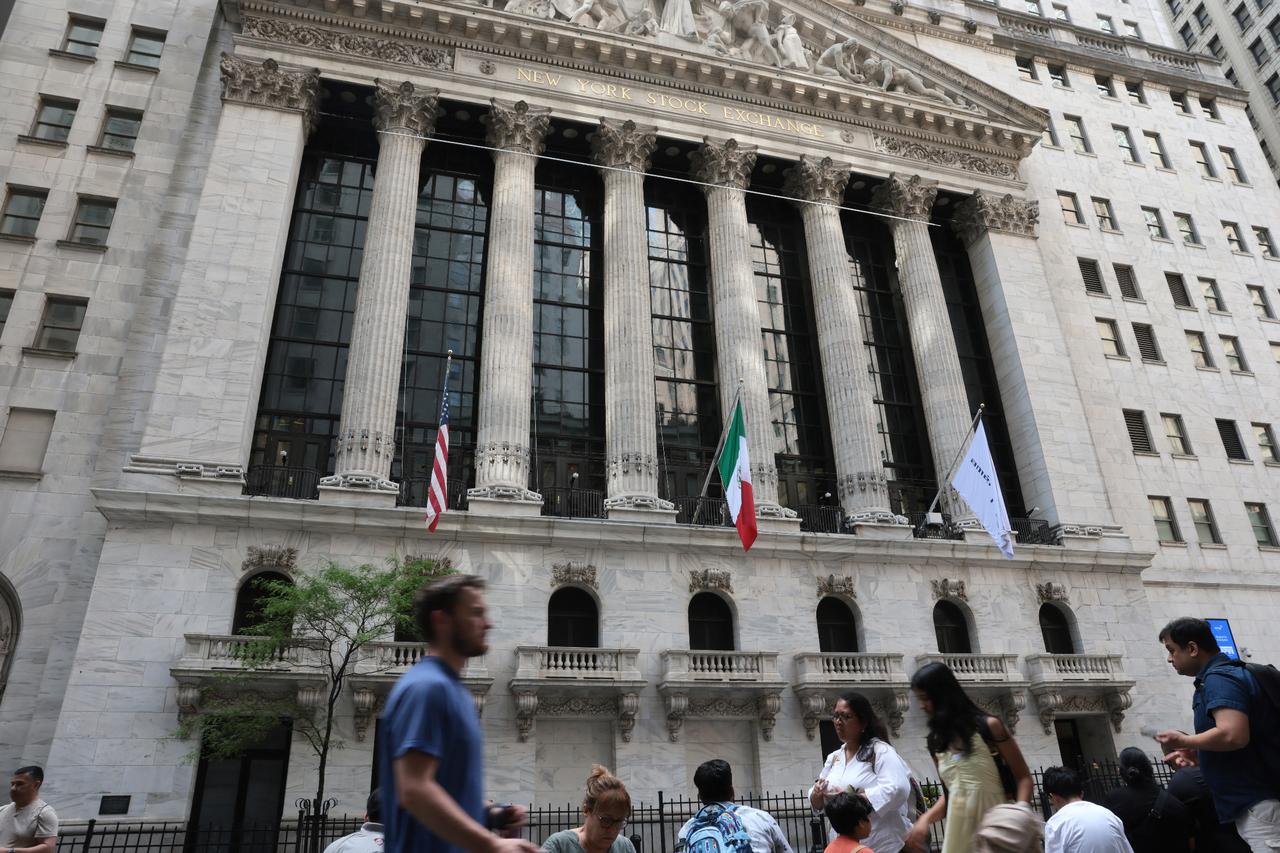
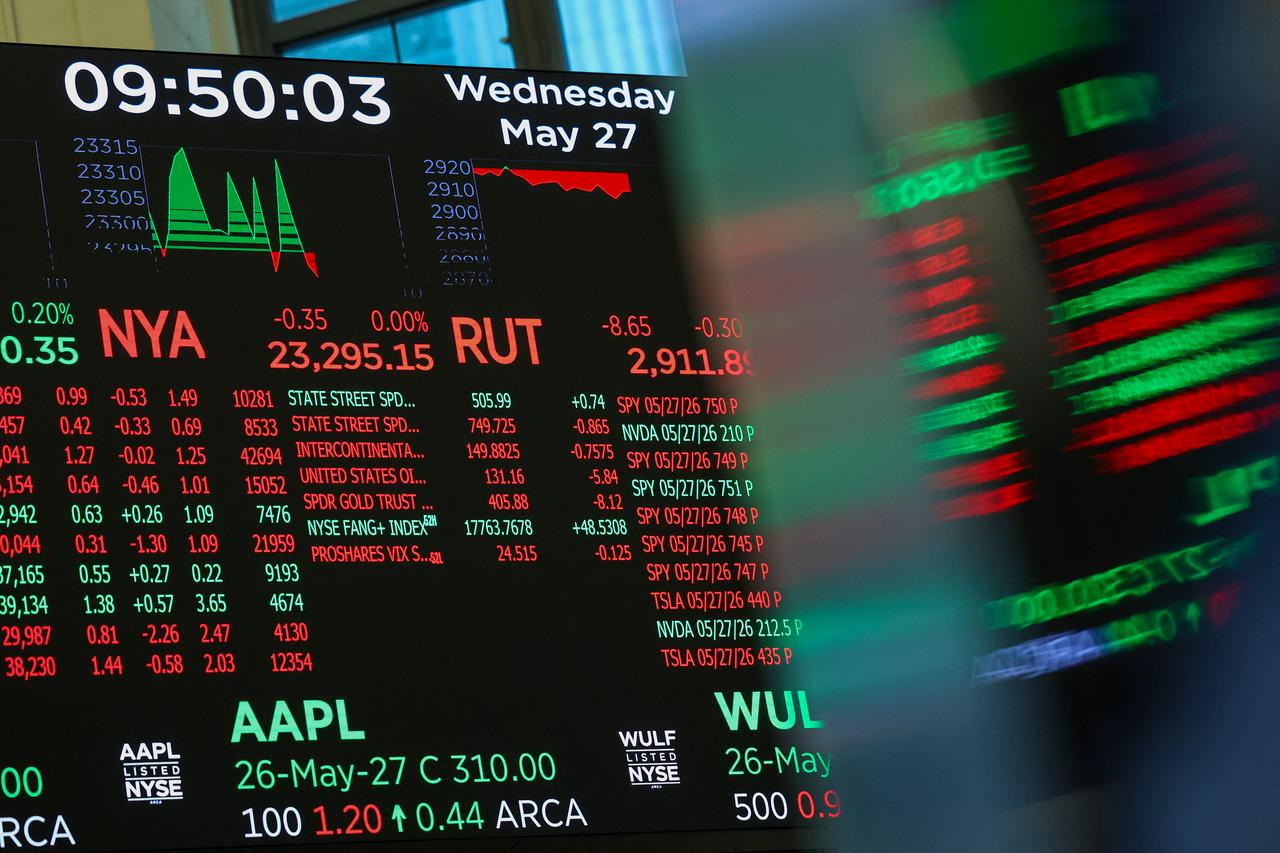
Wall Street closed sharply lower, with the Dow falling 1.4%, the S&P 500 losing 2.6%, and the Nasdaq plunging more than 4% for its steepest daily decline since April 2025. Investor nervousness also intensified, sending the VIX fear gauge up nearly 40%.
Technology stocks came under renewed pressure as investors questioned whether the massive sums flowing into artificial intelligence projects had gone too far. Concerns deepened after chipmaker Broadcom issued a weaker-than-expected third-quarter revenue forecast earlier this week, adding to a broader sell-off across the semiconductor sector.
The so-called Magnificent Seven group, which includes Nvidia, Alphabet and Meta, all ended lower, with CNBC's Magnificent Seven Index sliding 3.7%.

The downturn mirrored losses across Asian markets, where South Korea's technology-heavy stock market dropped nearly 7% at one point before trimming losses to close down 5.5%. Japan's Nikkei 225 fell 1.3%, while Hong Kong's Hang Seng Index lost 1.2% and Shanghai's Composite Index slipped 0.7%.
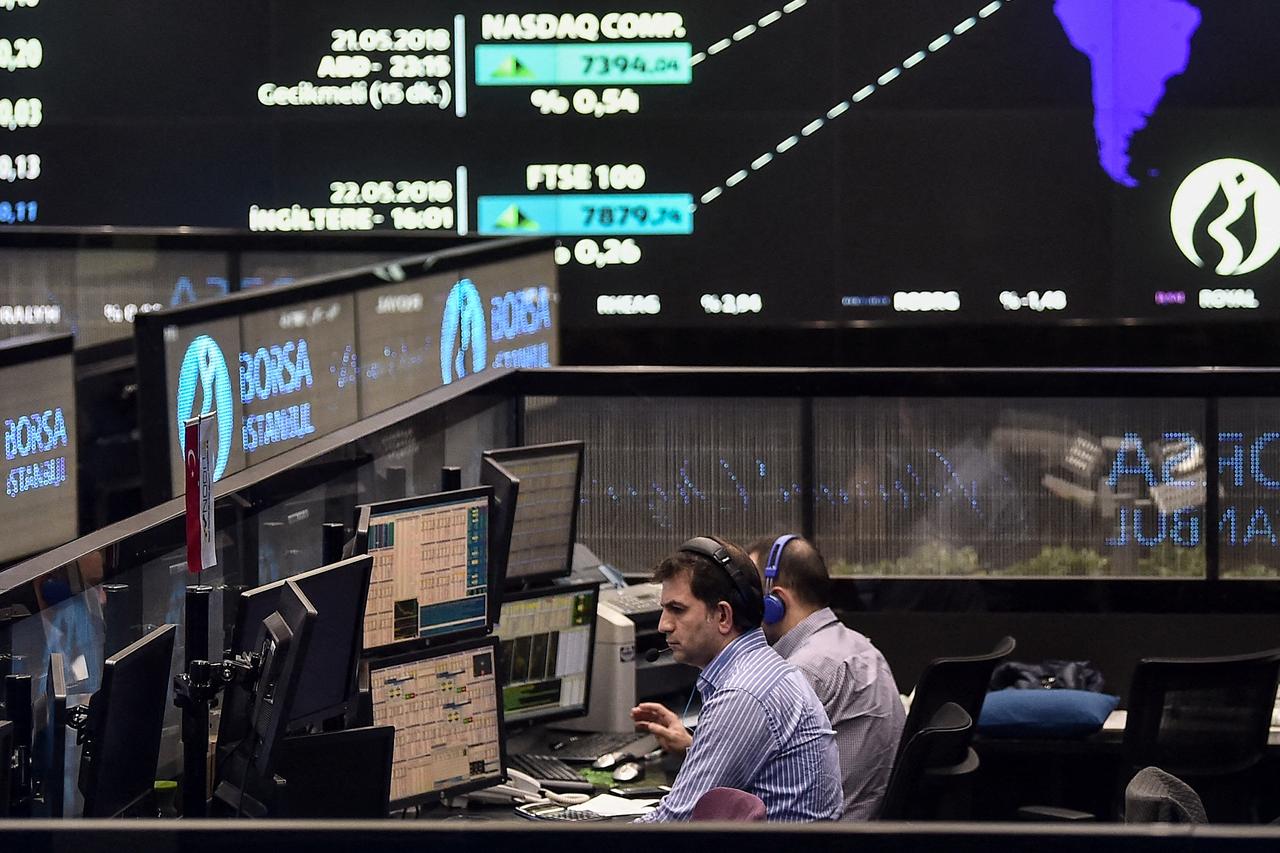
European stocks also ended mostly lower, with the pan-European Stoxx Europe 600 index declining 0.3% to 622.66 points, while Germany's DAX 40 fell 0.8%, France's CAC 40 lost 0.3%, and Italy's FTSE MIB 30 dropped 0.6%. Spain's IBEX 35 gained 0.4%, the U.K.'s FTSE 100 finished little changed, and Türkiye's BIST 100 shed 1.3%.
In Europe, investor sentiment was also pressured by official figures showing that eurozone economic growth contracted in the first quarter, largely due to a sharp decline in Irish output linked to multinational accounting adjustments.

The stronger dollar and rising bond yields also put pressure on metals throughout the session. Gold dropped more than 3% to $4,327 per ounce, its lowest level since March. Silver plunged 8.3% to $67.8 per ounce. Palladium and platinum each lost around 6%, falling to $1,212 and $1,763 per ounce, respectively.
Bitcoin extended its losses, dropping to an October 2024 low of $59,159 before recovering to around $60,910. Ethereum fell 7.4% to $1,560. The total cryptocurrency market capitalization declined 3.6% to $2.09 trillion.
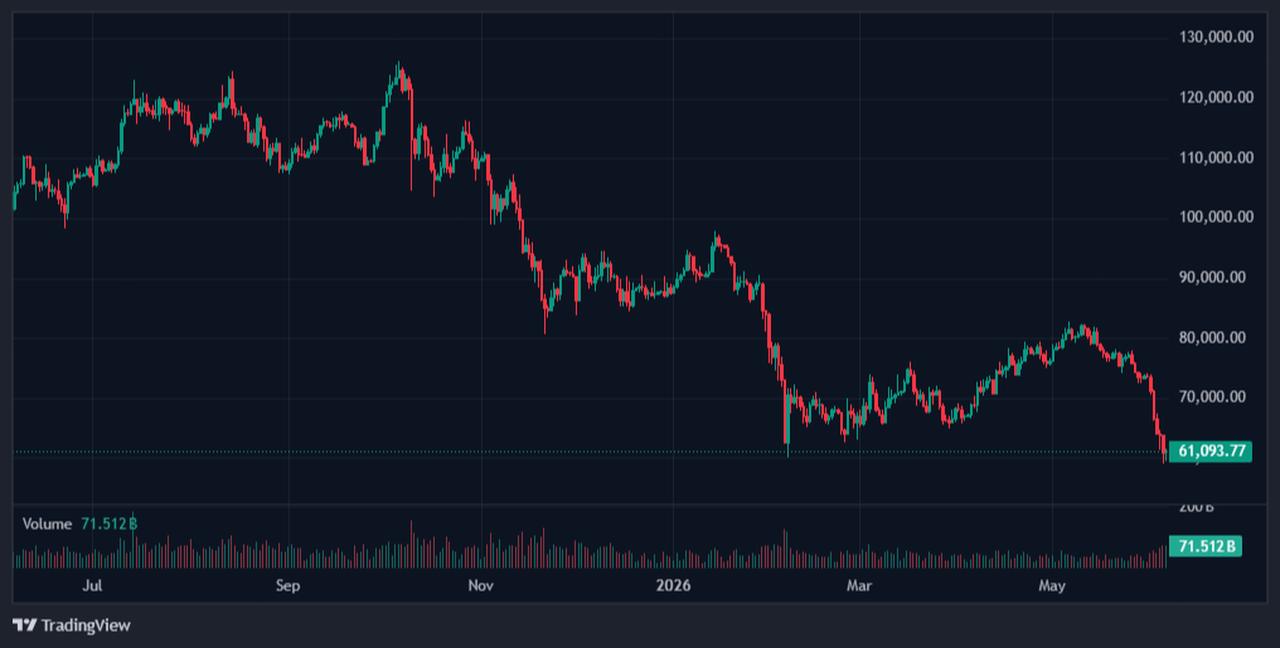
Geopolitical concerns also weighed on investor sentiment as tensions surrounding the Iran conflict persisted with little sign of a diplomatic breakthrough, while the lack of tangible progress toward ending the hostilities continued to curb investors' appetite for risk.
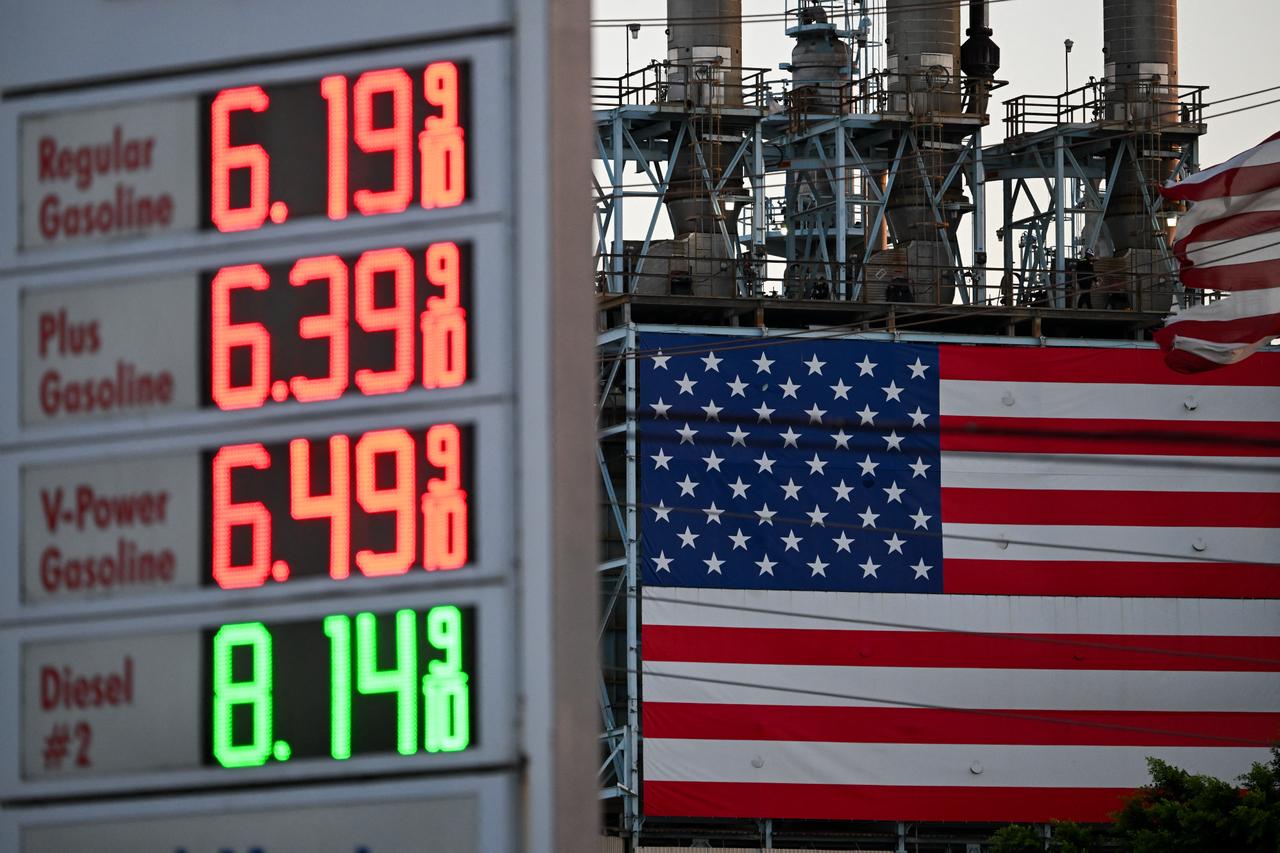
Oil prices, however, moved lower despite continued clashes in Lebanon and the lack of progress toward a U.S.-Iran agreement that could reopen broader energy export routes through the Strait of Hormuz.
International benchmark Brent crude fell over 2% to $92.8 per barrel, while U.S. benchmark West Texas Intermediate settled at $90.3.


 Set as preferred source
 Set as preferred source


 1 min read
 1 min read