Newsletters


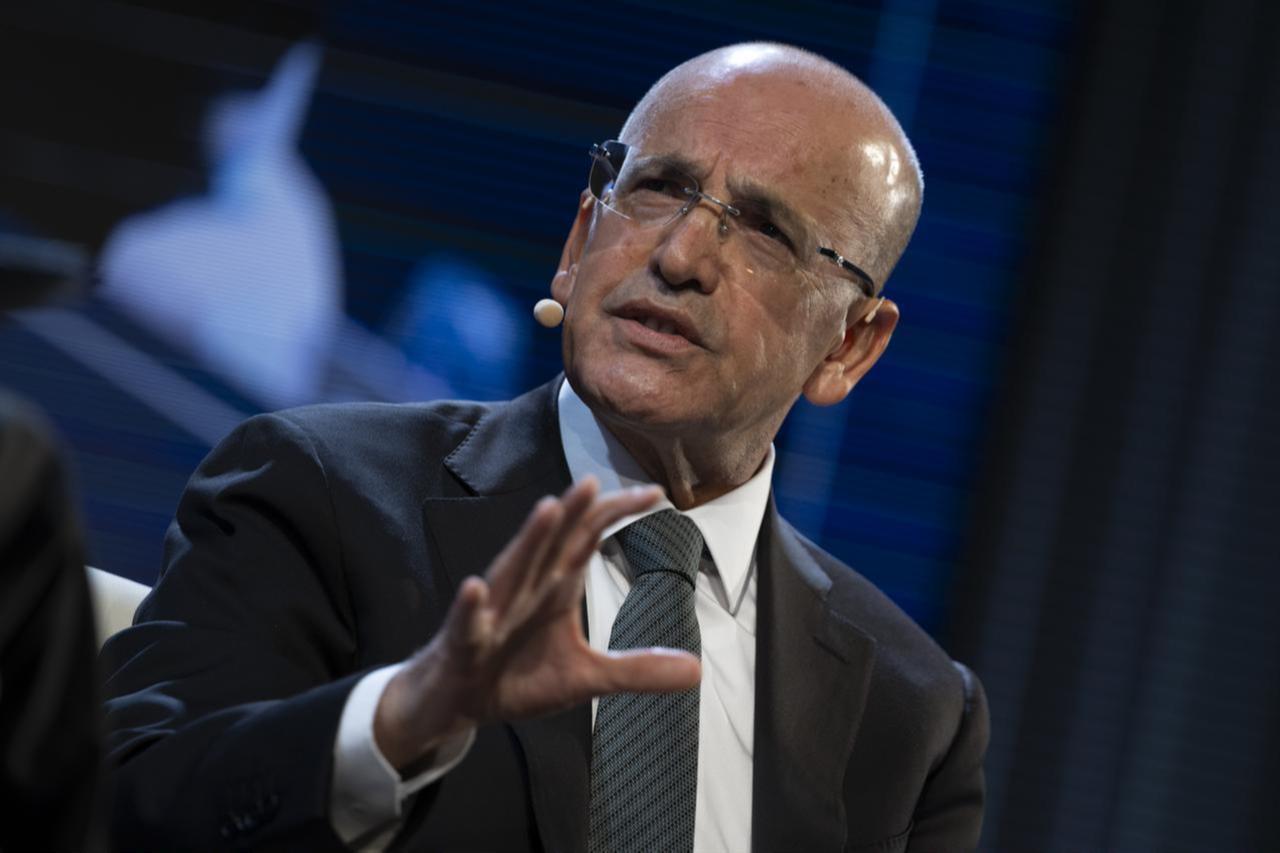


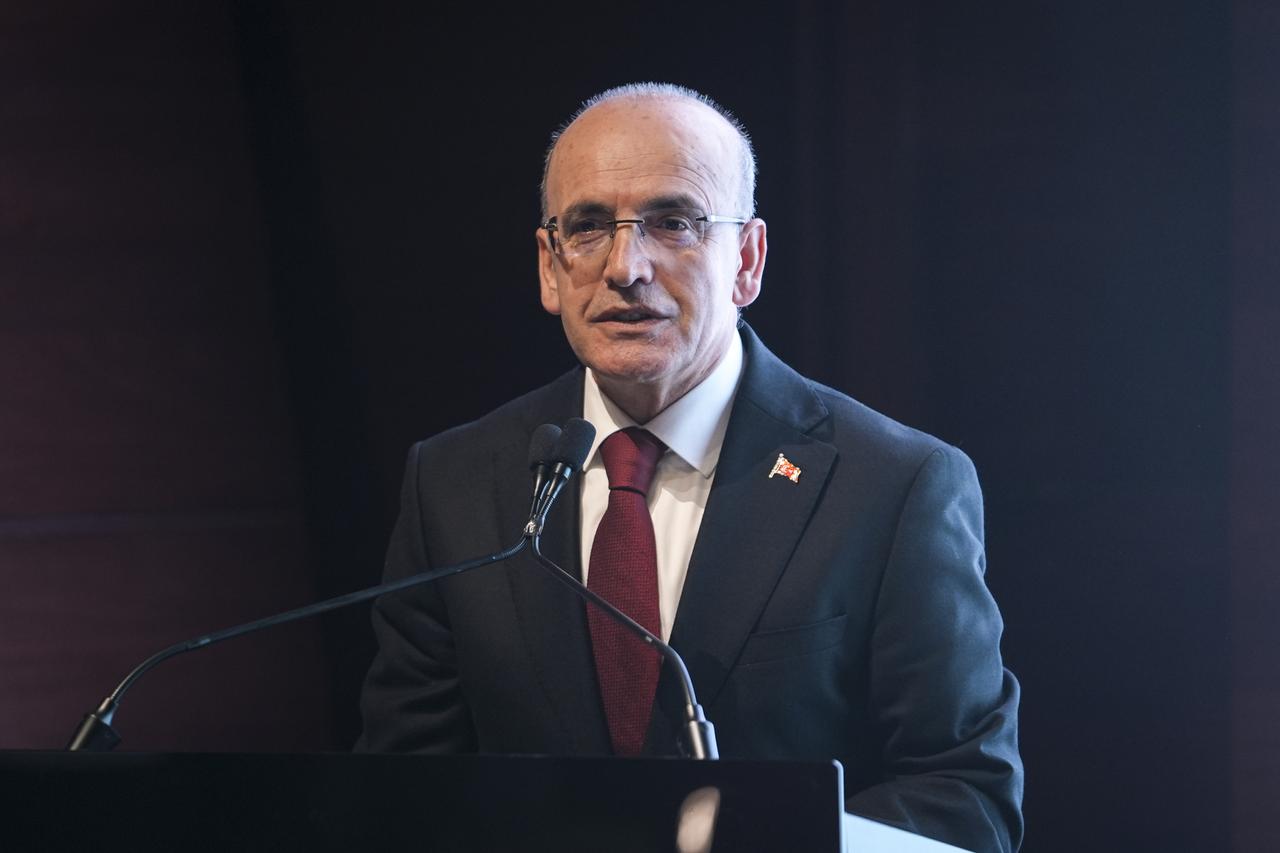
Türkiye’s Treasury and Finance Minister Mehmet Simsek on Monday urged citizens, investors and companies to evaluate recent global market volatility calmly, saying developments linked to energy prices should be assessed rationally.
"It is important for our citizens, investors and companies to assess this process rationally," Simsek said, adding that economic authorities are closely monitoring global uncertainty and sharp swings in energy prices and are taking the necessary measures.
The statement came before trading opened in Türkiye, after oil prices climbed toward $120 per barrel in Asian markets as supply disruptions in the Strait of Hormuz forced shipping traffic across the region to halt, raising concerns about a prolonged energy shock and broader pressure on global markets.
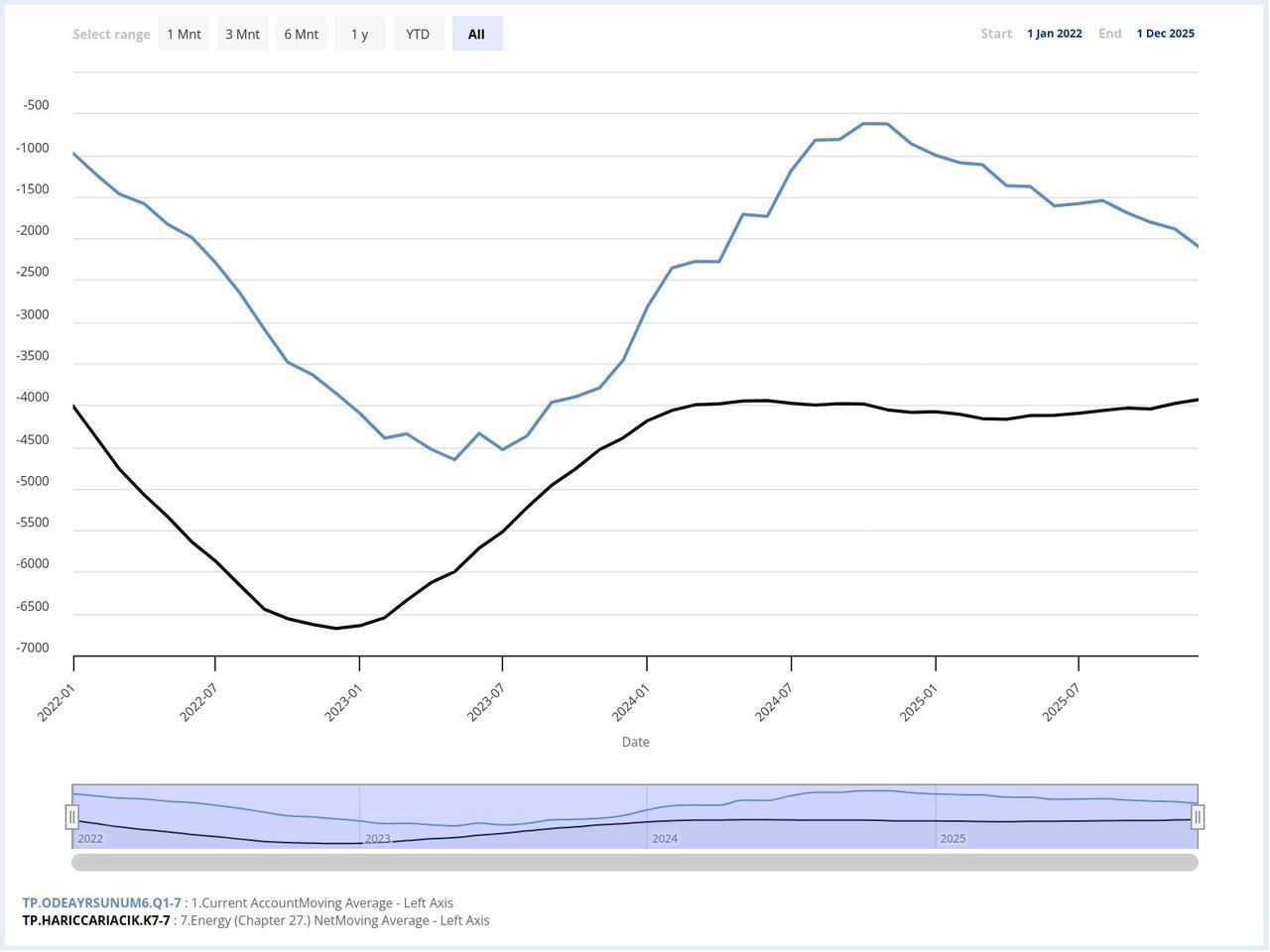
As a net energy importer with shipments valued at around $47 billion in 2025, Türkiye is particularly sensitive to swings in global oil and gas prices, with higher energy costs quickly feeding into inflation, the current account balance, and overall economic activity.
Simsek asserted that recent shocks are unlikely to have lasting effects on the global economy. "Past experience shows that shocks of this kind are not permanent," Simsek said. "Pricing in the oil futures markets also suggests that the current movement may be temporary."
The minister noted that economies with strong underlying fundamentals, like Türkiye, typically have the capacity to rebalance and recover quickly after external shocks.

On Monday, Türkiye’s benchmark BIST 100 index opened about 1.5% lower, with losses widening to around 2.5% in early trading before the decline deepened to roughly 2.6%, led by the banking index falling more than 4%. The U.S. dollar/Turkish lira exchange rate remained stable at 44.08.
As part of the economic measures, the Finance Ministry reintroduced the escalator system, which adjusts fuel taxes to cushion the inflationary impact of rising oil prices. The Central Bank of the Republic of Türkiye (CBRT), on the other hand, suspended one-week repo auctions to force banks to borrow at overnight rates, effectively raising the funding rate to 40% from 37%.
The bank was also estimated to have sold around $12 billion to defend the Turkish lira against rising currency demand.
Meanwhile, the Capital Markets Board of Türkiye extended the short-selling ban on Borsa Istanbul until the end of the March 13 session.
The central bank’s policymakers will gather for the year’s second Monetary Policy Committee (MPC) meeting on Thursday, March 12, and are expected to pause the ongoing easing cycle.


 Set as preferred source
 Set as preferred source


 1 min read
 1 min read