Newsletters




The first commercial vessels passed through the Strait of Hormuz on Wednesday, following a two-week ceasefire between the United States and Iran, but unclear transit rules and security procedures continue to restrain a broader return of maritime traffic, reports say.
Early ship movements signal a cautious reopening of the strategic waterway, a key route for global energy flows that had been effectively stalled for weeks.
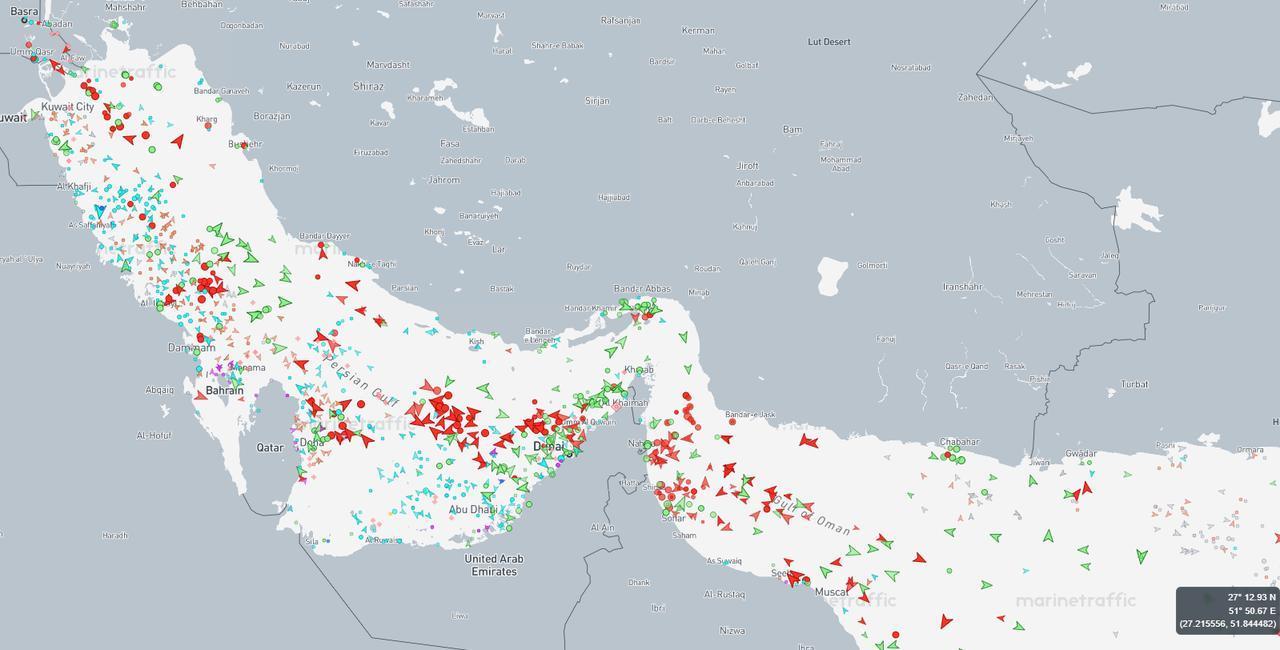
During morning hours, the Liberia-flagged Daytona Beach left Bandar Abbas and cleared the strait toward Fujairah, followed by the Greek-owned NJ Earth, MarineTraffic data showed.
Two other bulk carriers, the Panama-flagged New Ambition and the Malta-flagged Iolcos Destiny, also departed Iran’s Imam Khomeini port and appeared to be moving toward the waterway, along with the Singapore-flagged container ship Wan Hai A07, which departed Saudi Arabia’s Ras Tanura port.
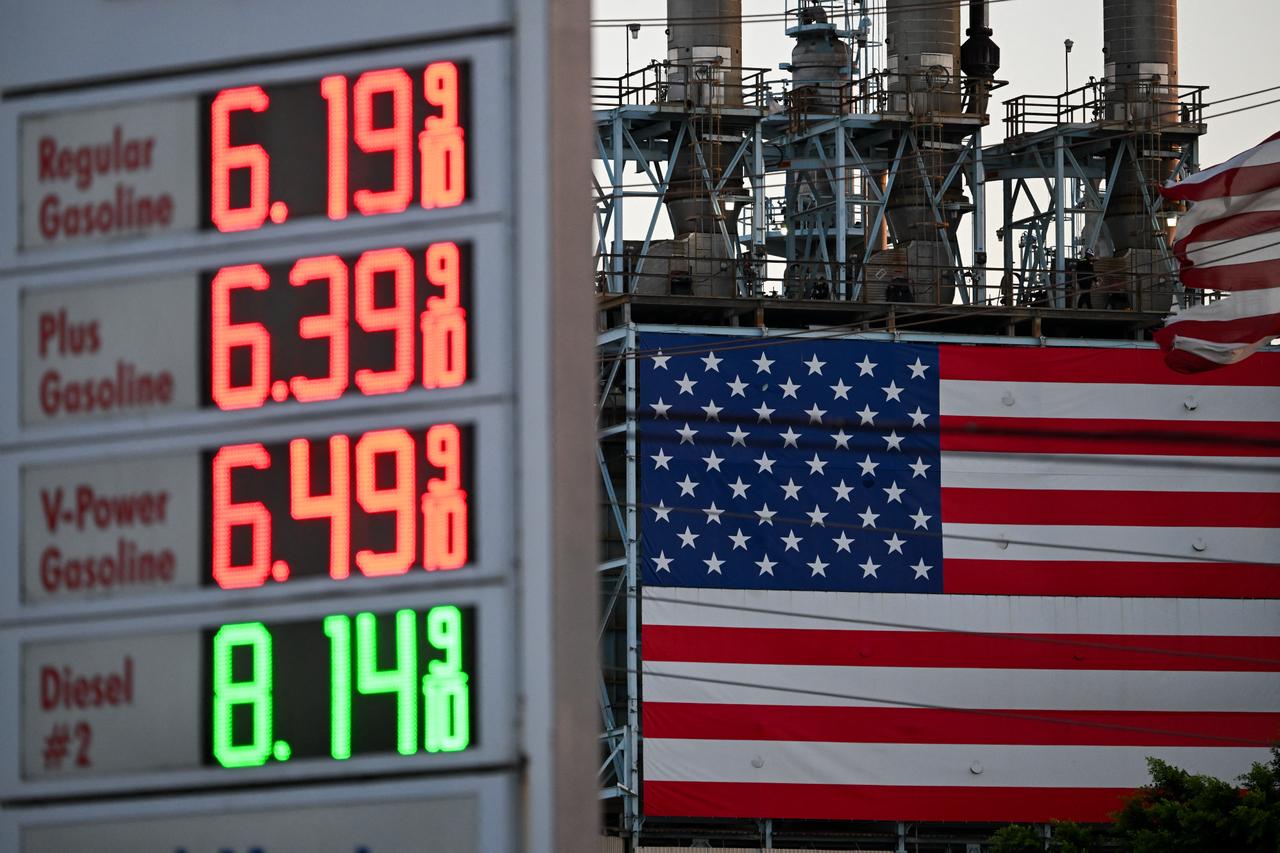
Since the war began, the strait—carrying about a fifth of global oil and LNG—was effectively closed after Iran barred unauthorized access and insurers withdrew war-risk cover. In recent weeks, Tehran has allowed limited transit and moved to introduce a toll system, with traffic accelerating over the past weekend.
The ceasefire pushes shipowners to line up departures from the Middle East Gulf, where more than 800 vessels have remained stranded since late February. Yet momentum builds unevenly as operators seek clarity on how transit will function in practice.
While some charterers are already factoring in return ballast voyages, others hold back, awaiting firmer guidance.
A series of industry meetings has been convened to determine what movements are feasible under the temporary arrangement, Lloyd's List reported.
One shipowner with multiple vessels in the region indicated that preparations are underway, but actual departures hinge on understanding "what protocols are inevitably going to be imposed by Iran," the report added.
Iran continues to shape access to the strait despite the ceasefire, with shipowners still required to secure clearance through established procedures. As of Wednesday morning, no formal changes to this system had been announced, leaving many operators unwilling to move immediately, it suggested.

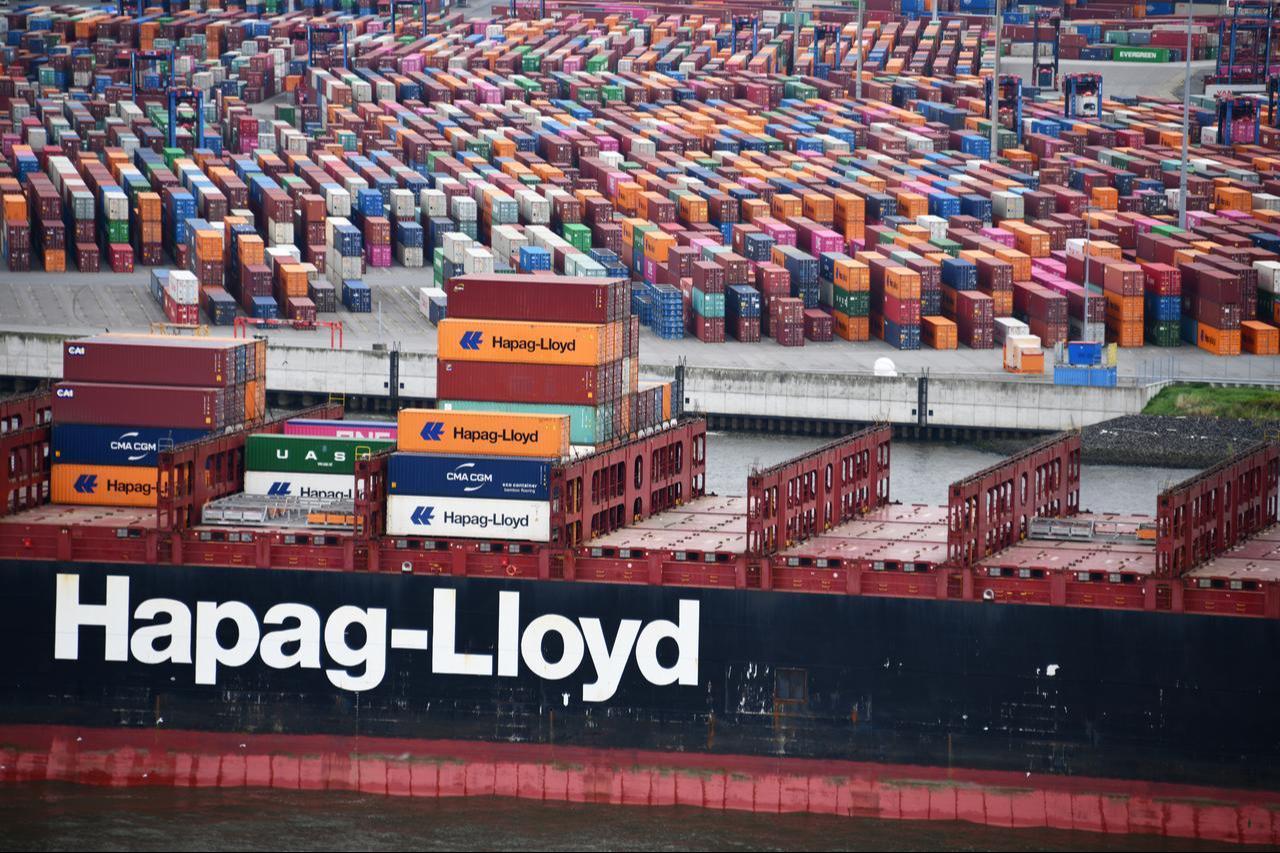
German shipping giant Hapag-Lloyd is holding off on sending vessels through the waterway, citing continued security risks. "Based on our current risk assessment, we will continue to refrain from transiting the strait," a company spokesman told German media group RND.
The company is closely monitoring developments and flagged that it remains unclear whether the announced reopening will hold in the coming days.
Six Hapag-Lloyd vessels are currently in the Gulf, part of a broader backlog of ships stranded since the war began in February. At least 50 vessels operated by German companies, carrying around 1,000 seafarers, remain in the region, according to the German shipowners’ association.
The cautious stance follows a recent incident in which a Hapag-Lloyd vessel caught fire after being hit by shrapnel. The blaze was extinguished and no crew members were injured.
Iran is considering reopening the strait in a limited and controlled manner as early as Thursday or Friday, ahead of a planned meeting between U.S. and Iranian officials in Pakistan, a senior official involved in the talks told Reuters.
The move depends on progress toward a negotiation framework. "If an understanding on a framework for talks is reached, the strait could be opened limited, under Iran's control," the official said. "Coordinating with the Iranian military will be mandatory for all ships," the official added, noting that any passage would remain tightly managed.
On the other hand, the International Maritime Organization (IMO) welcomed the ceasefire, stressing the need to stabilize conditions for crews and safeguard the flow of global trade.
"For the health and well-being of seafarers and the global shipping industry, I welcome the ceasefire announced in the Middle East," IMO Secretary-General Arsenio Dominguez said, adding that efforts are already underway to establish a mechanism to ensure safe transit through the Strait of Hormuz.
He pointed to the risks that have built up over recent weeks, noting that prolonged disruption in the waterway had placed additional strain on crews and raised safety concerns across the sector. The immediate priority, he emphasized, is to secure navigation safety as traffic gradually resumes, while coordinating with relevant parties to prevent further disruptions.


 Set as preferred source
 Set as preferred source


 1 min read
 1 min read