Newsletters


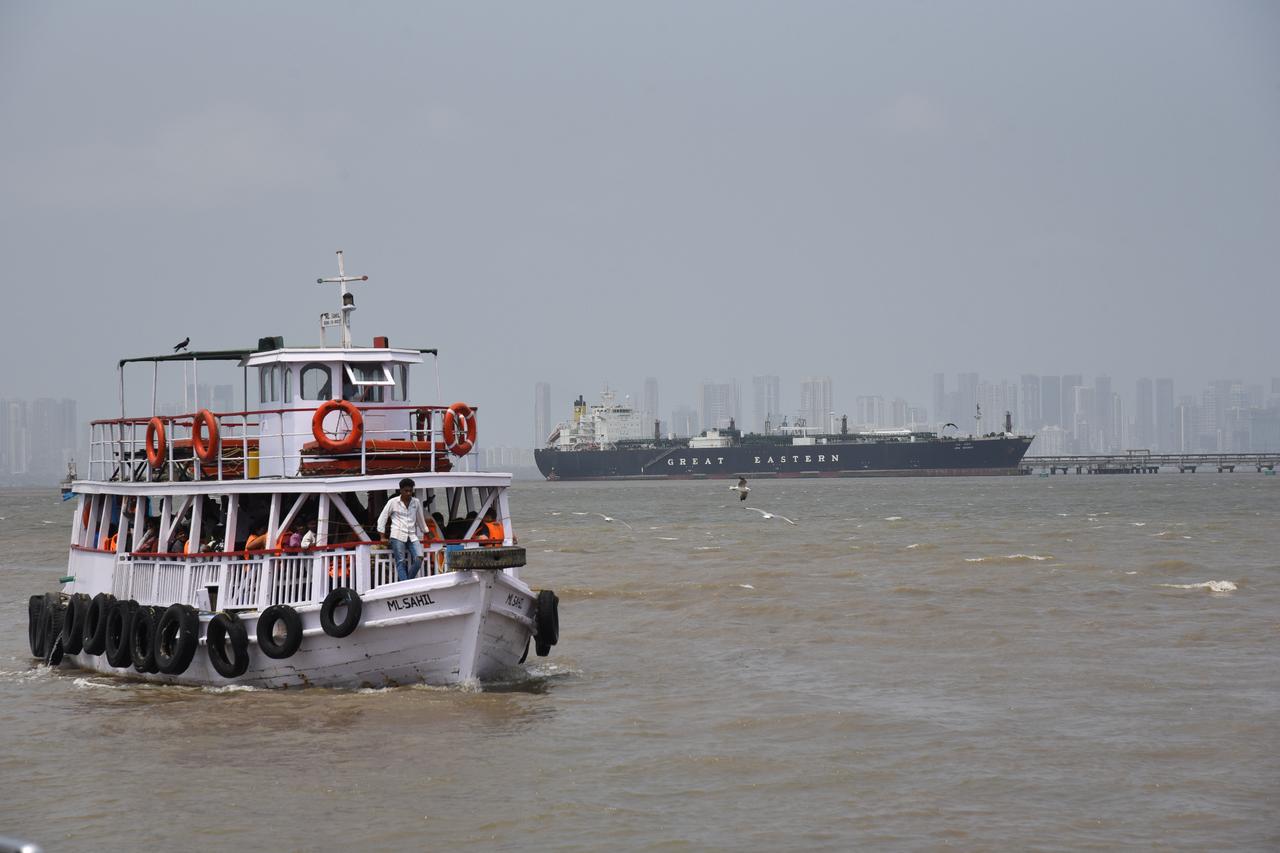


Shipowners began parsing the terms of a newly announced ceasefire between the United States and Iran, as the agreement signals a possible reopening of the Strait of Hormuz after weeks of disruption that stranded more than 800 vessels.
The deal, announced as part of a two-week ceasefire between the two sides, emerged just hours before a deadline set by U.S. President Donald Trump expired on Tuesday evening. Tehran outlined safe passage coordinated with its military and subject to what it described as "technical limitations," while Trump framed the outcome as a "complete, immediate, and safe opening."
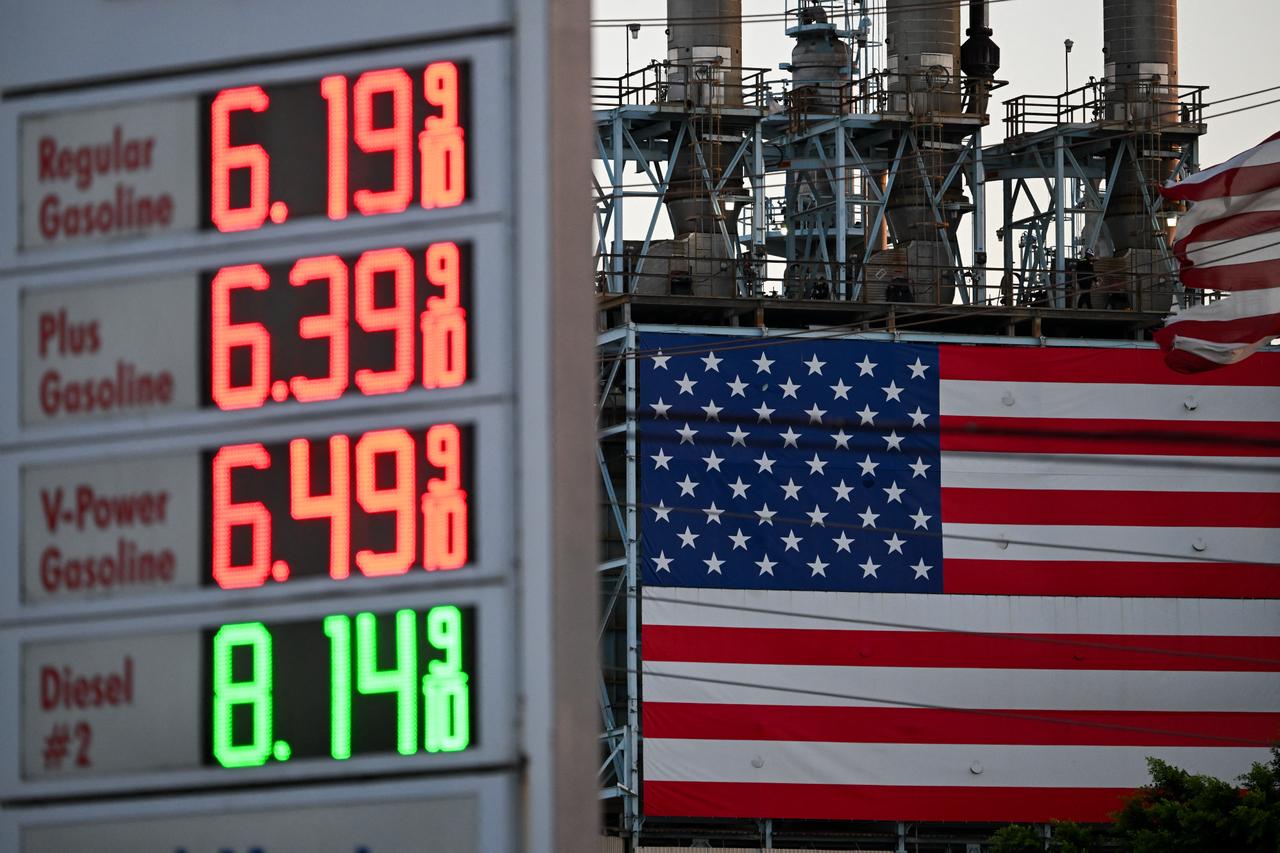
Following the agreement, global oil prices fell more than 10% to below $100 per barrel, as easing supply concerns helped cool inflation worries in the markets.
However, with details of the deal still unclear, shipowners are holding back, waiting for clarity on safety, timing, and possible transit fees, Bloomberg reported. Even under the most favorable conditions, clearing the backlog will take time, with hundreds of ships still clustered on both sides of the waterway and normal traffic levels far from being restored, it added.
The narrow waterway, a critical artery for global energy flows, had been effectively shut since late February when U.S. and Israeli strikes triggered Iran to tighten control over the passage. Maritime insurers withdrew war-risk coverage, leaving vessels idling on both sides and reducing traffic to minimal levels.
Shipping activity had already begun to edge higher over the weekend, with some countries striking bilateral arrangements with Iran to secure passage. Daily transits reached 15 vessels, according to Hormuz Strait Monitor, still far below the typical peacetime average of around 135.
Iran had previously floated a toll system tied to cargo type and vessel class, adding another layer of uncertainty for operators weighing whether to resume transit.
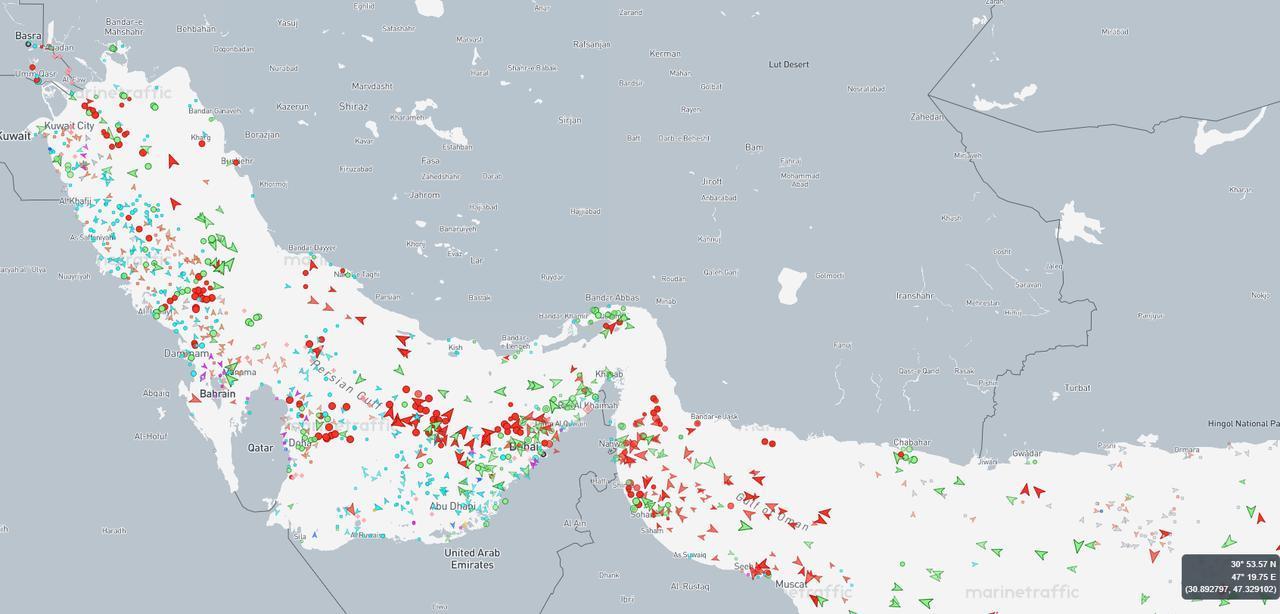

Energy shipments dominate the backlog inside the Gulf. Data shows 426 tankers carrying crude oil and refined fuels remain stuck, alongside 34 liquefied petroleum gas carriers and 19 liquefied natural gas vessels. Other ships are loaded with dry goods such as agricultural commodities, metals, and containerized cargo.
Clusters of more than 1,000 vessels are now waiting near key points including Dubai and Khor Fakkan, with operators closely tracking which ships attempt to transit first and how safely they proceed, the report added, citing Kpler data.
LNG flows are also drawing particular attention, with no fully loaded carrier managing to pass through the strait since the war began, while a recent attempt involving two tankers sailing from Qatar ended in a last-minute turnaround, underscoring the continued risks along a route that accounted for about 20% of global LNG trade last year.


 Set as preferred source
 Set as preferred source


 1 min read
 1 min read