Newsletters




European natural gas prices dropped sharply on Wednesday, retreating nearly 20% from the previous session as a temporary ceasefire between the United States and Iran eased supply fears tied to the Strait of Hormuz.
Benchmark prices at the Dutch-based Title Transfer Facility (TTF), Europe’s most liquid gas hub, opened at €42.9 ($50.13) per megawatt-hour, down from a previous close of €53.2.
The sudden decline followed U.S. President Donald Trump’s announcement of a two-week mutual ceasefire with Iran, conditioned on the full reopening of the Strait of Hormuz. The move eased immediate concerns over disruptions to global energy flows, with oil prices falling below $100 per barrel.
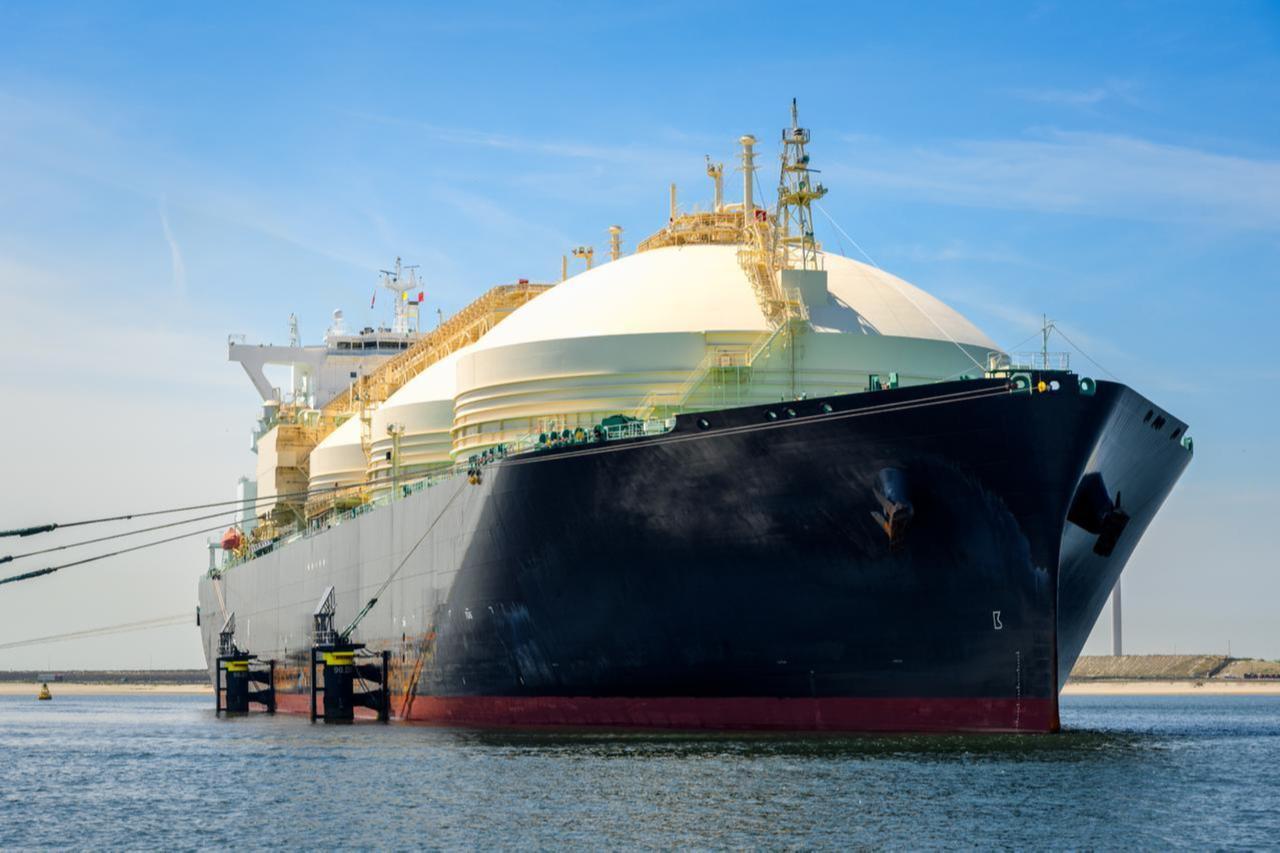
Roughly 20% of global liquefied natural gas (LNG) trade passes through the strategic waterway. Expectations that shipments could resume pushed prices lower, although market participants remain cautious about how quickly flows will normalize.
Even as the prospect of reopening the strait lifts sentiment, the market does not expect an immediate return to full operational capacity. Traders continue to weigh logistical constraints, insurance risks, and lingering geopolitical uncertainty.
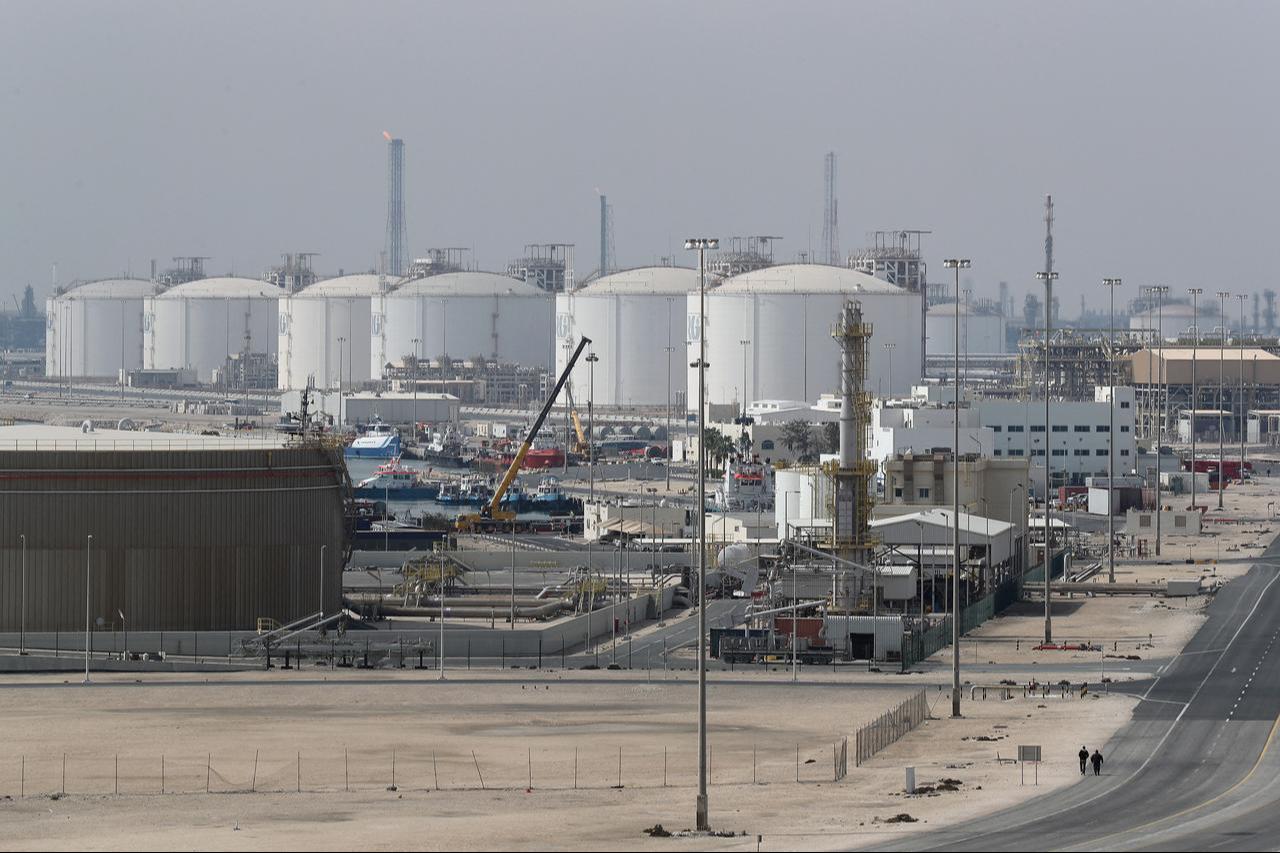

Qatar, one of the world’s largest LNG exporters with an annual production capacity of 80 million tons, plays a central role in supplying Europe. Any prolonged disruption to its output directly influences European gas pricing dynamics.
Following Tehran’s retaliatory strikes on Gulf states hosting U.S. bases, Qatar halted gas production along with the United Arab Emirates, while operations at Ras Laffan Industrial City—the world’s largest LNG hub—were suspended after QatarEnergy declared force majeure.
The company noted that Iranian attacks caused significant damage, cutting 17% of LNG production and inflicting $26 billion in losses, with repairs expected to take up to five years, likely keeping upward pressure on prices for some time.


 Set as preferred source
 Set as preferred source


 1 min read
 1 min read