Newsletters




Fitch Ratings on Saturday affirmed Türkiye’s sovereign credit rating at “BB-” while revising the outlook to “stable” from “positive.”
In its latest assessment, Fitch said Türkiye’s long-term foreign-currency issuer default rating remains at BB-, with the outlook revision reflecting heightened external risks.
The agency said the change was driven primarily by a marked decline in Türkiye’s foreign exchange reserves since the outbreak of the Iran war.
Fitch said the Central Bank of the Republic of Türkiye (CBRT) sold more than $50 billion in foreign currency to support the Turkish lira during the period, warning that a prolonged conflict could further worsen external debt-servicing conditions and inflation prospects.
It added that Türkiye’s heavy dependence on energy imports remains a key factor amplifying those risks.
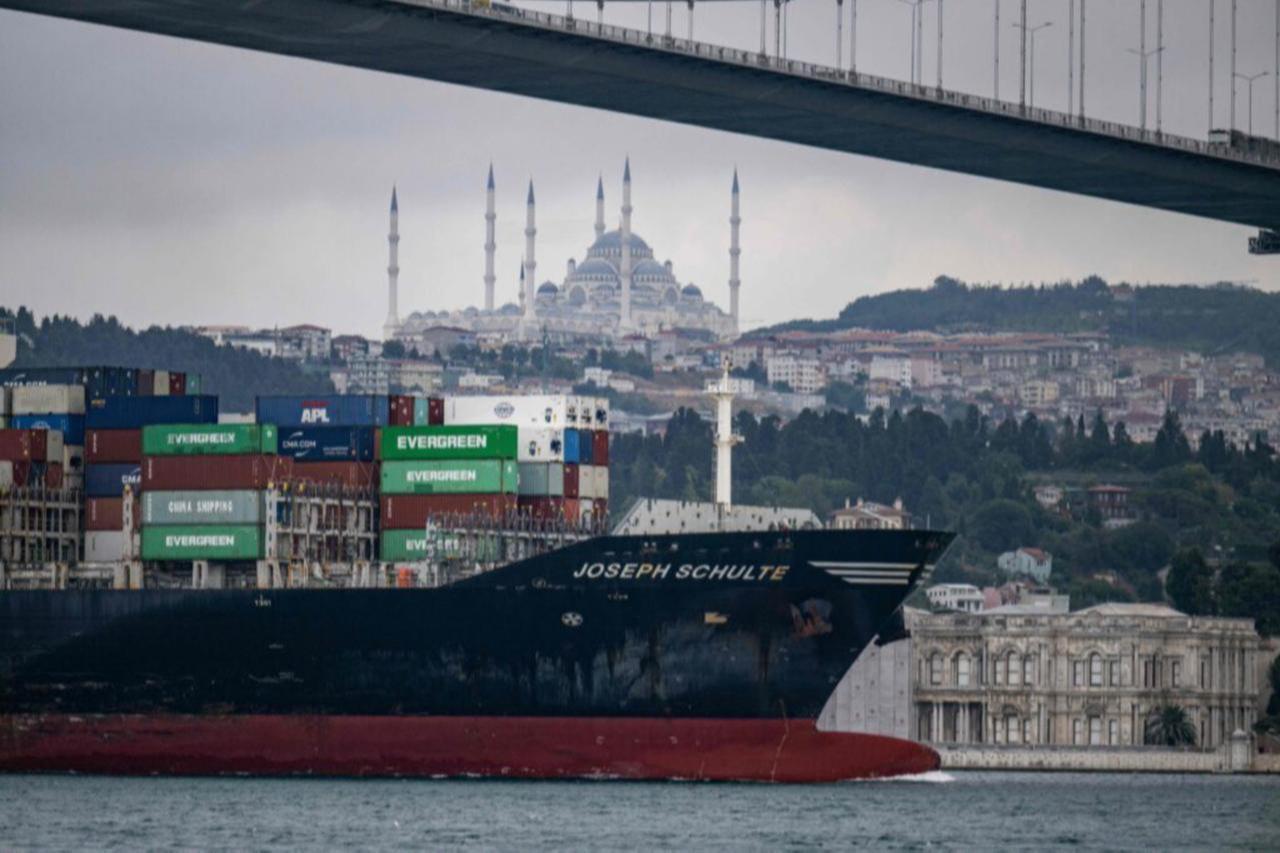

Fitch said Türkiye’s rating continues to be supported by its strong and diversified economy, relatively low public debt, continued access to external financing even during periods of stress, and a resilient banking sector.
However, the agency said persistent high inflation, political pressure on monetary policy, recurring risks of currency crises, limited reserves relative to external debt, and institutional weaknesses remain the main constraints on the rating.
Fitch also noted that it issued the assessment outside its regular review calendar, saying regulations allow for unscheduled revisions when a country’s credit outlook changes materially and suddenly.
The next scheduled review for Türkiye is set for July 17, 2026, the agency said.
Fitch said it expects Türkiye’s current account deficit to widen in 2026 due to elevated energy prices and expand further in 2027.
It warned that reserves could fall below peer-country averages by the end of 2027.
The agency added that if oil prices rise by another $20 per barrel, the current account deficit could widen by over 1% of gross domestic product (GDP) and further fuel inflation.
Fitch said the Turkish central bank’s March 1 decision to raise its overnight lending rate to 40%—lifting funding costs by 300 basis points—reflected continued commitment to tight monetary policy in the fight against inflation.
The agency raised its end-2026 inflation forecast by 2 percentage points to 27% and projected inflation would decline to 21% by the end of 2027.
Fitch said fiscal support through the reintroduction of fuel price stabilization mechanisms has absorbed roughly two-thirds of the inflationary impact of higher energy prices.
Still, the agency noted that Türkiye’s external financing requirements remain elevated.
It said external debt maturing over the next 12 months stands at $239 billion, a level it described as high relative to foreign exchange reserves.
External liquidity is projected to rise from 82% at the end of 2025 to around 98% by 2027, though still below the 140% median for countries in the BB rating category.
On growth, Fitch forecasts the Turkish economy to expand 3.6% in 2026 and accelerate to 4.2% in 2027.


 Set as preferred source
 Set as preferred source


 1 min read


 1 min read